Warp knitting cellulose fibers – KARL MAYER and Lenzing Accelerate a Sustainable Breakthrough in Warp Knitting by Scaling High-Performance Cellulose Fibers for Next-Generation Textile Manufacturing 04-02-2026
Warp knitting cellulose fibers
A Strategic Partnership Shaping the Future of Warp Knitting
The global textile machinery leader KARL MAYER and the Lenzing Group, a major supplier of regenerated cellulose fibers, have launched a joint innovation project aimed at transforming warp knitting with scalable cellulose fiber solutions. The collaboration was officially introduced during Premiere Vision in Paris, one of the most influential trade fairs for fashion and textile innovation.
This partnership reflects a growing industry demand for sustainable materials that can be processed efficiently on industrial knitting systems while maintaining premium fabric performance. By combining advanced warp knitting expertise with next-generation cellulose fibers, KARL MAYER and Lenzing are addressing both technical limitations and environmental expectations in modern textile manufacturing. warp knitting cellulose fibers
Why Cellulose Fibers Matter in Warp Knitting
Cellulose fibers derived from wood are increasingly recognized as a critical alternative to fossil-based synthetic fibers. Lenzing’s TENCEL Lyocell and Modal fibers are produced from renewable raw materials sourced from certified or controlled forestry systems, using a production process designed to minimize environmental impact.
In warp knitting, material consistency and mechanical reliability are essential. Cellulose fibers offer uniform fiber length and predictable behavior, which creates a strong foundation for high mechanical performance. However, translating these advantages into warp-knitted fabrics at scale has historically been complex due to processing challenges related to fiber fineness, yarn stability, and machine compatibility. warp knitting cellulose fibers
The collaboration between KARL MAYER and Lenzing directly targets these constraints.
Micro Technology Unlocks New Fabric Possibilities
At the core of this innovation project is Micro Technology, applied to TENCEL Lyocell and Modal fibers. These fibers are characterized by extremely fine titers, enabling the production of finer yarns without compromising strength or consistency.
Finer yarns allow warp knitting machines to create smoother, lighter, and more uniform fabrics. The resulting textiles deliver enhanced softness, superior drape, and fluid movement, all of which are highly valued in premium apparel, lingerie, activewear, and fashion-forward technical textiles. warp knitting cellulose fibers
From a warp knitting perspective, Micro Technology supports better yarn control, reduced friction, and improved processing stability. This is essential for achieving high machine efficiency and minimizing production downtime.
Solving Technical Challenges Through Collaboration
Despite the inherent advantages of cellulose fibers, warp knitting with staple-based yarns remains technically demanding. Issues such as yarn breakage, beam preparation complexity, and tension control have limited broader adoption.
To overcome these challenges, the innovation project leverages the complementary strengths of both partners. Lenzing contributes deep expertise in fiber engineering, yarn development, and downstream spinning processes. This ensures that the cellulose fibers are optimized not only for sustainability but also for mechanical performance during knitting. warp knitting cellulose fibers
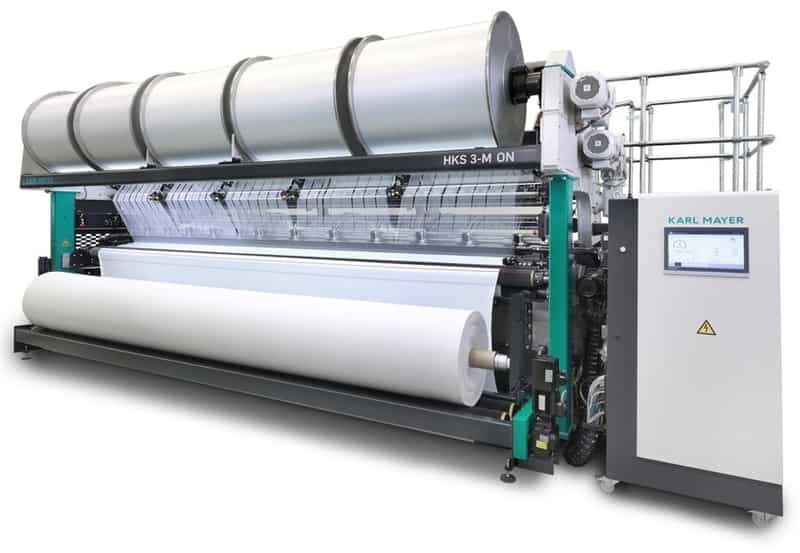
KARL MAYER brings decades of experience in warp beam production from staple fibers and their processing on high-performance warp knitting machines. Its machines are widely recognized for efficiency, reliability, and fabric quality, making them an ideal platform for industrializing cellulose-based warp knitting solutions.
Together, the partners are refining the interaction between fiber, yarn, warp preparation, and machine settings to enable stable, repeatable, and scalable production. warp knitting cellulose fibers
Industrial Efficiency Meets Sustainability Goals
One of the most significant outcomes of this collaboration is the alignment between sustainability and industrial performance. Warp knitting manufacturers increasingly face pressure to reduce environmental impact without sacrificing productivity or fabric quality.
By enabling efficient processing of TENCEL Lyocell and Modal fibers on existing warp knitting platforms, KARL MAYER and Lenzing are lowering barriers to adoption. Manufacturers can integrate cellulose fibers into their product portfolios without major infrastructure changes, supporting faster commercialization and reduced investment risk. warp knitting cellulose fibers
This approach also supports circular economy strategies, as cellulose fibers are derived from renewable sources and offer favorable end-of-life characteristics compared to conventional synthetics.
Expanding Applications for Warp-Knitted Cellulose Fabrics
The collaboration opens new opportunities across multiple textile segments. High-quality warp-knitted fabrics made from cellulose fibers are well suited for fashion apparel, next-to-skin garments, sportswear, and lightweight technical textiles where comfort and breathability are critical. warp knitting cellulose fibers
The smooth surface, consistent structure, and natural hand feel of Micro Technology fibers enhance consumer comfort while meeting performance expectations. For brands and manufacturers, this creates a compelling value proposition that combines aesthetics, function, and responsible material sourcing.
A Signal for the Future of Textile Innovation
The partnership between KARL MAYER and Lenzing represents more than a single innovation project. It signals a broader shift in how machinery manufacturers and fiber producers collaborate to solve systemic challenges in textile production.
As sustainability regulations tighten and consumer expectations evolve, scalable solutions that integrate advanced materials with proven industrial technologies will define the next phase of textile manufacturing. Warp knitting, supported by optimized cellulose fibers, is positioned to play a central role in this transition. warp knitting cellulose fibers
By aligning fiber science with machine engineering, KARL MAYER and Lenzing are setting a benchmark for how innovation can drive both environmental responsibility and economic viability in the textile industry.
More…