Westlake PVC Acquisition Expands European Capacity
Westlake PVC Acquisition Expands European Production Network
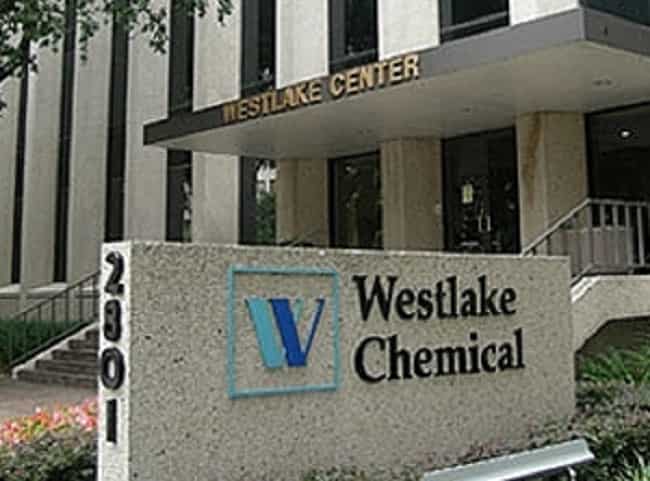
Westlake Corporation has strengthened its European chlorovinyls operations by completing the acquisition of a major polyvinyl chloride and vinyl chloride monomer production site in Wilhelmshaven, Germany.
The transaction was completed through the company’s German subsidiary, Westlake Vinnolit GmbH & Co. KG. The facility can produce approximately 380,000 metric tonnes of PVC annually, making it a significant addition to Westlake’s global manufacturing network.
What Westlake acquired in Wilhelmshaven
The industrial site produces both polyvinyl chloride, commonly known as PVC, and vinyl chloride monomer, or VCM. VCM is the principal chemical building block used in PVC manufacturing.
Located in Lower Saxony on Germany’s North Sea coast, the Wilhelmshaven complex had previously been operating under insolvency administration. Westlake’s acquisition brings the site into a broader international chlorovinyls business with existing operations in Europe and North America.
Westlake has not publicly disclosed the purchase price in its announcement.
Strategic access to North Sea logistics
The facility’s location is an important part of the transaction.
According to Westlake, the Wilhelmshaven site includes a deep-water dock and supporting logistics infrastructure. This provides direct access for the delivery of raw materials and can help the company manage supplies to the plant more efficiently.
Port access may also improve the movement of materials between Westlake’s production facilities and customers in different European markets.
The acquisition therefore adds more than production volume. It gives Westlake an integrated manufacturing and logistics platform in a strategically positioned German industrial port.
How the plant fits Westlake’s European business
Westlake already operates in the region through Westlake Vinnolit, a producer of PVC and related chlorovinyl products.
The Wilhelmshaven plant is expected to complement those existing operations rather than function as an isolated production asset. Westlake said the facility would expand its global chlorovinyls manufacturing capacity and strengthen its ability to serve customers.
PVC is used in a wide range of applications, including:
-
Pipes and water-management systems
-
Window profiles and other construction products
-
Electrical cables
-
Flooring and interior products
-
Medical and technical applications
-
Selected packaging products
The scale of the acquired plant gives Westlake additional capacity to supply these markets while potentially creating operational and logistical efficiencies across its European network.
Acquisition comes during a difficult European PVC market
The transaction should not be interpreted as evidence of an immediate surge in European PVC consumption.
European producers continue to face a challenging commercial environment shaped by subdued demand, competitive imports, relatively high production costs and pressure on selling prices.
Industry analysis published ahead of 2026 described the European PVC market as facing weak demand and continuing rationalisation. More recent market reporting has also indicated downward pressure on European PVC prices as sellers contend with sluggish purchasing activity and competition from imported material.
These conditions make cost control, reliable logistics and efficient use of production assets especially important.
Against this background, Westlake’s acquisition appears to be a strategic capacity and infrastructure investment rather than a response to a short-term demand boom. Westlake PVC acquisition
A wider trend of restructuring and consolidation
The acquisition also reflects the restructuring taking place across Europe’s energy-intensive chemical industry.
High energy expenses, import competition and uneven downstream demand have placed pressure on several European producers. Some companies have closed facilities, reviewed their asset portfolios or sought stronger partners for individual production sites.
The Wilhelmshaven plant’s previous insolvency administration illustrates the financial strain affecting parts of the industry. For Westlake, the transaction provides an opportunity to incorporate an established production complex into a larger global operating network.
Such consolidation can preserve strategically important industrial capacity, although the long-term outcome will depend on plant competitiveness, European energy costs and the strength of demand from construction and infrastructure markets.
What the acquisition means for Westlake
The most immediate effect is a substantial increase in Westlake’s PVC manufacturing capacity.
The deal also provides the company with:
-
A larger production base in Germany
-
Additional PVC and VCM capabilities
-
Direct access to deep-water port infrastructure
-
Greater flexibility in supplying European customers
-
Potential integration benefits with Westlake Vinnolit
Westlake has said that it looks forward to welcoming the Wilhelmshaven workforce into the group, but its initial announcement did not provide detailed financial targets, planned investment levels or expected synergies for the site.
Outlook for the Wilhelmshaven facility
The acquisition gives Westlake a sizeable industrial asset at a time when the European chemical sector is undergoing significant change.
Its success will depend on how effectively Westlake integrates the facility, controls production costs and uses the site’s logistics advantages. Market conditions will also remain influential, particularly construction activity, import volumes and European energy prices.
The Wilhelmshaven plant nevertheless provides Westlake with a stronger physical presence in the region and an additional platform from which to manage its European chlorovinyls business.
For customers, the combination of local production capacity and port infrastructure could support a more flexible and resilient supply network. For the wider industry, the deal is another indication that financially strong international producers are using the current restructuring cycle to secure strategically valuable European assets.
Key facts
Buyer: Westlake Corporation, through Westlake Vinnolit
Location: Wilhelmshaven, Lower Saxony, Germany
Products: PVC and vinyl chloride monomer
Annual PVC capacity: Approximately 380,000 metric tonnes
Previous status: Operated under insolvency administration
Strategic feature: Deep-water dock and established logistics infrastructure
Completion announced: June 15, 2026
Sources
-
Westlake Corporation: acquisition completion announcement
-
Westlake Vinnolit: company press release
-
Business Wire: Westlake transaction announcement
-
ChemOrbis: European PVC market analysis
-
S&P Global Commodity Insights: 2026 global PVC outlook
Westlake Vinnolit Deal Strengthens Global PVC Leadership
More…