Extover, the recycled glass solution from Germany that could change how electric car battery fires are handled
Extover electric car fires
Extover, the recycled glass solution from Germany that could change how electric car battery fires are handled
Electric vehicle battery fires remain one of the most demanding scenarios for firefighters and emergency responders. While studies show that electric cars do not catch fire more frequently than conventional vehicles, fires involving lithium-ion batteries often require specialized procedures, extended monitoring, and large quantities of water to prevent reignition.
As electric mobility continues to expand worldwide, the search for more effective firefighting solutions is accelerating. One of the technologies attracting attention in Europe is Extover, an innovative extinguishing granulate developed in Germany and showcased at Interschutz 2026, the world’s leading trade fair dedicated to firefighting, rescue services, civil protection, and safety technologies. According to information presented by the manufacturer, the material has been specifically designed to help control lithium-ion battery fires and metal fires while reducing environmental impact.
Why electric vehicle battery fires are different
When a lithium-ion battery enters thermal runaway, temperatures can rise rapidly and individual battery cells may continue generating heat long after visible flames disappear. This creates a significant challenge for emergency crews because a fire that appears extinguished can reignite hours later.
For this reason, current intervention strategies often focus heavily on cooling the battery pack and continuously monitoring temperatures. Firefighters frequently use large volumes of water to reduce heat and prevent the thermal reaction from spreading between cells.
As the number of electric vehicles on roads continues to grow, emergency services are evaluating complementary technologies that could improve the efficiency and safety of these operations. Extover electric car fires
What is Extover?
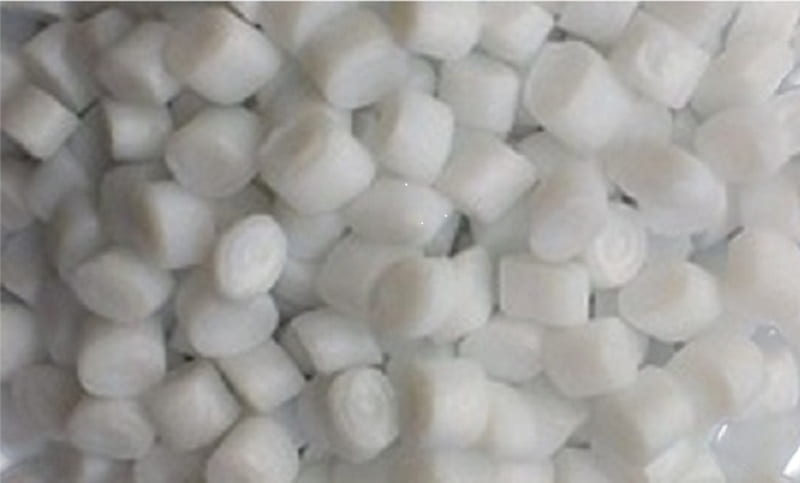
Extover is a fire-extinguishing granulate manufactured from 100% recycled glass. Unlike traditional firefighting methods based primarily on water, foam, or powder, the material works by covering the burning area with lightweight mineral granules. According to the manufacturer, the product has been tested by several German research and testing institutions and is intended for both firefighting and preventive fire protection applications.
The granules are non-combustible and designed to be applied directly onto the source of the fire. Their structure consists of lightweight expanded glass spheres with a porous surface capable of interacting with liquids, gases, and vapors released during combustion.
How the technology works
The principle behind Extover combines two key firefighting mechanisms.
First, the granules create a physical barrier between the burning material and the oxygen in the surrounding air. Since combustion requires oxygen, isolating the fuel source can help suppress the fire.
Second, the granules begin to soften and melt at temperatures around 700°C. During this process they absorb thermal energy, helping to cool the affected area. Once melted, they form a protective layer that further isolates the burning material and limits heat transfer to nearby surfaces.
The manufacturer states that this dual action—oxygen separation and heat absorption—can be particularly valuable when dealing with battery fires, where temperature management is critical.
Potential advantages for emergency services
One of the most interesting aspects of Extover is its ability to reach narrow spaces and irregular surfaces. The spherical shape and free-flowing nature of the granules allow them to penetrate openings that may be difficult to access with other extinguishing materials.
According to company data, the porous structure can also help bind liquids, vapors, and gases released during a fire, potentially supporting containment efforts during complex incidents. The product can be used alongside other firefighting methods rather than necessarily replacing them.
Another claimed advantage is the absence of water-related damage. Traditional firefighting operations can generate contaminated runoff and secondary damage, whereas a dry mineral solution may reduce some of these effects depending on the specific scenario.
A sustainability angle built into the product
Environmental considerations are becoming increasingly important in emergency response technologies.
Extover is produced entirely from post-consumer recycled glass, avoiding the extraction of new raw materials. The manufacturer also highlights that uncontaminated material may be reusable after use, further reducing waste.
This focus on circular-economy principles distinguishes the product from many traditional extinguishing agents and aligns with broader sustainability goals across the automotive and safety sectors.
How does it compare with conventional solutions?
The product is often compared with vermiculite, a mineral material commonly used for containment and thermal insulation in fire-related applications.
According to technical information released by the manufacturer, Extover’s lower softening temperature allows it to begin absorbing heat at around 700°C, while vermiculite typically remains stable at much higher temperatures. The company argues that this characteristic enables earlier heat absorption and cooling during a fire event.
Independent large-scale operational data are still limited, and widespread adoption by fire departments will ultimately depend on real-world performance, regulatory evaluations, logistics, and cost considerations.
The growing challenge of battery fire safety
The development of technologies such as Extover reflects a broader trend in the electric mobility sector. Researchers, automakers, and emergency services are investing heavily in new approaches to battery safety, thermal runaway management, and fire containment.
As electric vehicles become more common, innovations that improve firefighter safety, reduce environmental impact, and shorten intervention times are likely to attract increasing attention.
Whether Extover becomes a standard tool for emergency responders remains to be seen, but its presentation at Interschutz 2026 highlights how rapidly the firefighting industry is adapting to the realities of the electric vehicle era.
Key Takeaways
• Extover is a fire-extinguishing granulate made entirely from recycled glass.
• The technology was showcased at Interschutz 2026 in Germany.
• It is designed to help manage lithium-ion battery fires and metal fires.
• The granules suppress flames by isolating oxygen and absorbing heat.
• The material begins softening at approximately 700°C, contributing to cooling.
• Its composition and recyclability support sustainability objectives.
• Fire departments and industry operators are closely monitoring its potential applications in electric vehicle fire response.
More…