US-Iran War and Oil Prices: Why Brent Holds Near $91 and WTI Near $88
Why Oil Prices Are Still Elevated
Oil prices remain under pressure from geopolitical tensions in the Middle East, particularly the ongoing conflict involving the United States and Iran.
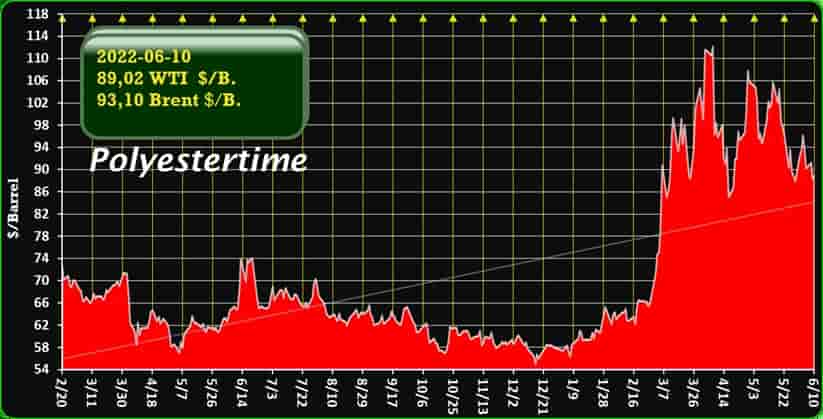
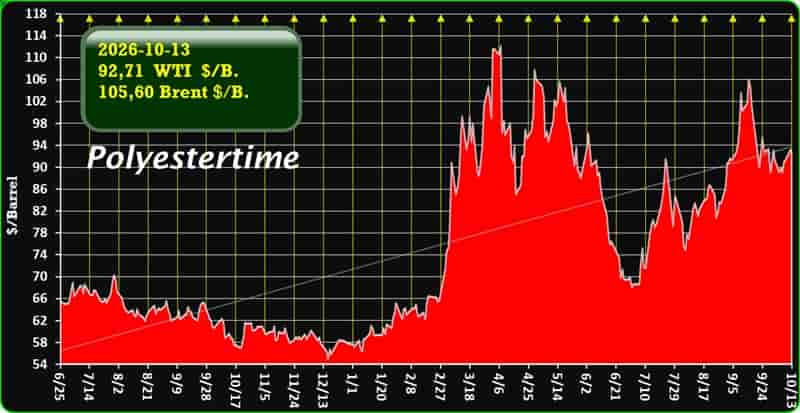
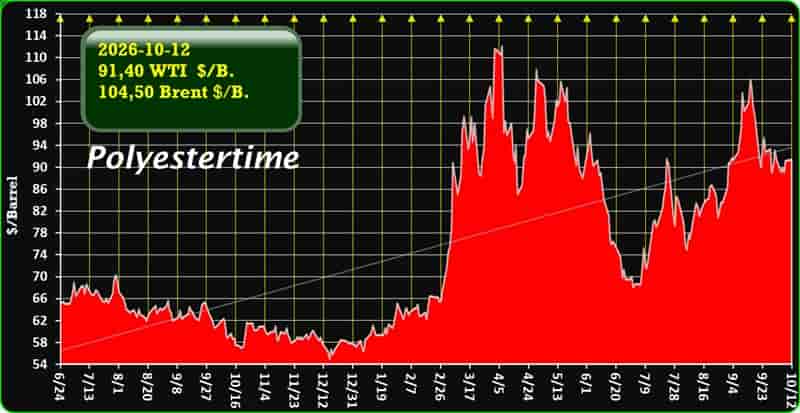
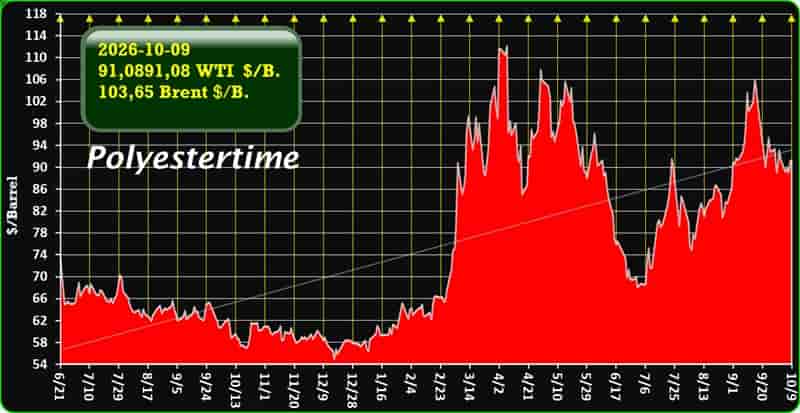
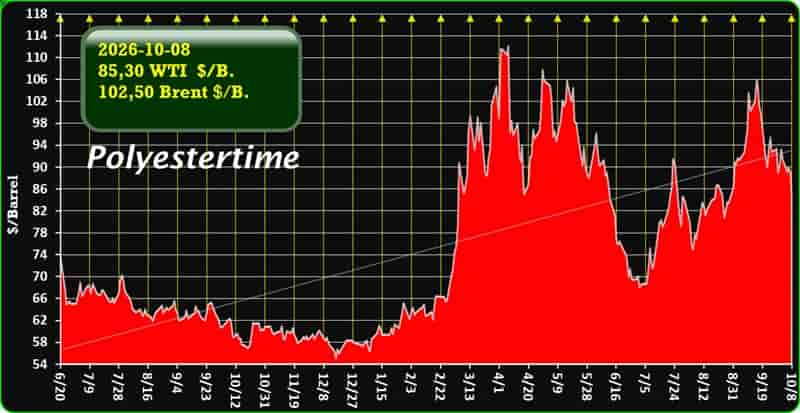
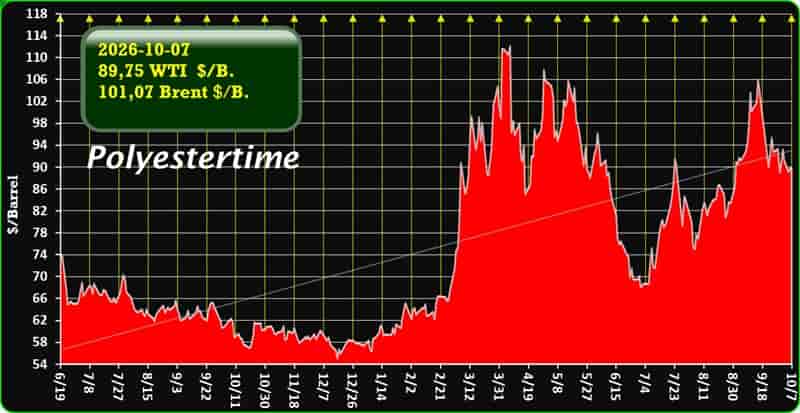
Although crude prices have retreated from the peaks reached during periods of heightened military activity, Brent crude remains around $91 per barrel while West Texas Intermediate (WTI) trades near $88 per barrel. These levels reflect a significant geopolitical premium embedded in the market. Recent reports indicate that traders continue to price in the risk of supply disruptions despite signs of improving tanker traffic through the Strait of Hormuz.
The market’s primary concern is not current demand but the possibility of future interruptions to global oil flows.
The Strategic Importance of the Strait of Hormuz
The Strait of Hormuz is one of the world’s most critical energy chokepoints.
Roughly one-fifth of global oil and liquefied natural gas supplies pass through this narrow waterway connecting the Persian Gulf to international markets. Any disruption in shipping activity can quickly affect global energy prices. Recent military tensions and security concerns have repeatedly raised fears about reduced exports from the region.
While shipping activity has recently improved compared with earlier stages of the conflict, energy officials acknowledge that a full normalization of trade routes may still take months.
What Is Driving Oil Prices Right Now?
Several factors are influencing crude oil markets simultaneously.
1. Geopolitical Risk
Investors remain focused on developments involving the United States, Iran, Israel, and regional allies. Even temporary escalations can trigger sharp price movements as traders reassess supply risks. Recent diplomatic signals have occasionally pushed prices lower, while renewed hostilities have quickly reversed those declines.
2. Falling Global Inventories
One of the most important developments is the decline in global oil stockpiles.
According to the latest projections from the U.S. Energy Information Administration (EIA), inventories could fall to their lowest levels in more than two decades if supply disruptions persist. Lower inventories reduce the market’s ability to absorb unexpected shocks and tend to support higher prices.
3. Supply Recovery Expectations
Markets are also reacting to expectations that diplomatic efforts could eventually improve oil flows from the Middle East.
Whenever negotiations appear to make progress, traders typically reduce risk premiums and oil prices soften. This dynamic explains why Brent has recently traded below earlier highs despite ongoing tensions.
Impact on Inflation and the Global Economy
Oil prices remain a critical driver of inflation worldwide.
When crude prices rise, transportation, manufacturing, logistics, and energy costs often follow. Businesses eventually pass part of these higher costs on to consumers.
For central banks that have spent the past few years fighting inflation, sustained oil prices above $90 per barrel could complicate monetary policy decisions. Higher energy costs can slow economic growth while simultaneously keeping inflation elevated.
Import-dependent economies in Europe and Asia are particularly exposed to prolonged volatility in energy markets.
Could Oil Return Above $100 Per Barrel?
A return to triple-digit oil prices cannot be ruled out.
Analysts generally agree that the biggest upside risk would be a major disruption to exports through the Strait of Hormuz or a significant escalation of military activity in the region. Previous episodes of heightened tension have already pushed Brent well above current levels.
However, there are also factors that could limit further gains:
- Improved shipping activity through the Gulf.
- Successful diplomatic negotiations.
- Slower global economic growth.
- Weakening demand from major importing countries.
- Additional production from other oil-producing nations.
These competing forces explain why oil markets have remained volatile rather than moving in a single direction.
Outlook for the Second Half of 2026
The outlook for oil prices remains closely tied to geopolitical developments.
Most market participants expect continued volatility as negotiations and military developments evolve. While some forecasts suggest prices could gradually moderate if regional tensions ease, the risk of sudden spikes remains elevated due to the strategic importance of Middle Eastern oil exports.
For now, Brent near $91 and WTI near $88 indicate that markets are still assigning a meaningful risk premium to the conflict, even as hopes for de-escalation periodically improve investor sentiment.
Conclusion
The US-Iran conflict continues to be one of the most important drivers of global oil prices in 2026. Brent crude around $91 per barrel and WTI around $88 reflect a market caught between geopolitical uncertainty and expectations of eventual normalization.
The next major moves in oil prices will likely depend on three factors: the security of the Strait of Hormuz, the pace of diplomatic negotiations, and the evolution of global oil inventories. As long as uncertainty remains elevated, energy markets are likely to remain volatile.
Oil Prices Hold Firm as US‑Iran Tensions Reshape Global Energy Outlook
More…