Zero emission battery recycling – Ace Green’s Rapid Zero-Emission Battery Recycling Expansion Across Asia Signals a Major Breakthrough for Clean Technology, Circular Materials, and Sustainable Industrial Growth 08-12-2025
Zero emission battery recycling
Ace Green Recycling Inc. is intensifying its global strategy with a bold multi-country expansion designed to place Asia at the center of the next wave of zero-emission battery recycling. As demand for sustainable metal recovery grows alongside the rapid electrification of transport and energy systems, the company is scaling commercial operations in Taiwan and launching new infrastructure in Thailand. These projects reflect a broader industry shift toward cleaner, fully electrified recycling solutions that reduce emissions while supporting circular economies for metals, plastics, and critical materials. zero emission battery recycling
Ace Green’s technology-first approach is particularly important for the plastics and chemicals sector. Modern recycling plants rely on specialized plastics for containment systems, housings, conduits, and safety components. At the same time, battery packs contain multiple polymer types that require careful separation and controlled recycling. By integrating low-emission, electrified systems into Asian facilities, Ace Green is showing how industrial operations can dramatically reduce environmental footprints while maintaining high throughput. This positions zero-emission battery recycling as both an environmental necessity and a driver of new materials demand.
Advancing Commercial Deployment in Taiwan
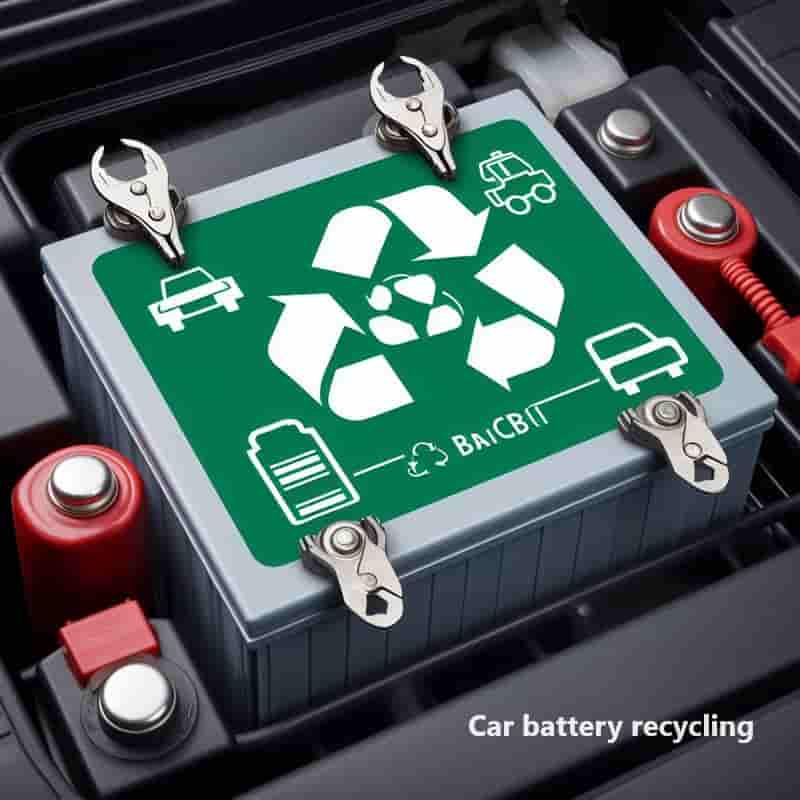
A key element of Ace Green’s expansion is its ongoing collaboration with Acme Metal Enterprise in Keelung City. The two companies are preparing for a second phase of technology deployment that will scale an already operational zero-emission battery recycling plant. The existing facility uses Ace Green’s GreenLead system, which replaces traditional fossil-fuel smelting with an electrified, low-temperature process that recovers high-purity lead from end-of-life lead-acid batteries. zero emission battery recycling
Phase two will integrate the company’s Grid Metallics Processing System, a modular solution engineered to handle battery paste and metallics at significantly higher throughput. This upgrade enhances energy efficiency and dramatically improves emissions performance, reinforcing the plant’s role as a flagship model for zero-emission battery recycling. At full capacity, the Taiwan operation is expected to process volumes comparable to tens of millions of used vehicle batteries annually. The resulting output—refined lead and specialty alloys—supports several downstream industries, particularly automotive and energy storage manufacturers that depend heavily on plastic-intensive components, connectors, and housings.
Thailand: A Strategic Extension into a Fast-Growing Market
Ace Green’s newest initiative in Thailand brings the same electrified methodology to another rapidly expanding Asian economy. With major national investments underway in energy storage and electric mobility, Thailand represents a high-value market for zero-emission battery recycling technologies. Ace Green is preparing equipment shipments for a new facility that will use its GMPS platform, a low-temperature system designed to recover lead alloys with minimal process waste and zero direct emissions.
This facility is central to a regional strategy focused on supplying manufacturers that depend on both metals and high-performance plastics. Electric vehicles, renewable energy systems, and industrial batteries all require engineered polymer components, including casings, separators, cable insulation, connectors, housings, and thermal management parts. zero emission battery recycling
As Thailand accelerates electrification programs, demand for these components—and for responsible, closed-loop recycling of the materials involved—will surge. The new plant further strengthens the role of zero-emission battery recycling in supporting a circular, plastics-intensive supply chain.
Integrating Battery and Plastics Recycling for a Circular Asia
Ace Green’s Asian deployments highlight a major trend: the convergence of battery recycling, plastics recycling, and circular material flows. Battery systems include a variety of polymers such as polypropylene, polyethylene, and engineering plastics used in electronics and structural components. zero emission battery recycling
Handling these plastics alongside metals requires tightly controlled recovery systems, advanced sorting infrastructure, and consistent safety protocols—all of which align with the principles of zero-emission battery recycling.
This integration creates opportunities for shared washing lines, co-located separation facilities, and coordinated logistics that reduce waste and improve overall material recovery rates. Combined, these synergies support regional policy goals centered on responsible waste management, resource efficiency, and decarbonization. The adoption of zero-emission battery recycling across the region can help accelerate investments in specialized containment materials, corrosion-resistant polymer equipment, and advanced additives engineered for harsh chemical environments. zero emission battery recycling
Industrial Opportunities for Plastics, Additives, and Manufacturing Solutions
For plastics suppliers and equipment manufacturers, Ace Green’s projects signal the rise of new B2B opportunities. Recycling plants operating at high temperatures, or using chemical leaching processes, rely on durable polymer tanks, liners, pipes, seals, and machinery components. These often require tailored additives to meet chemical resistance, flame retardancy, or mechanical strength standards.
Automation is also transforming the sector. Sorting machines, conveyors, robotic handling systems, and material-tracking technology use plastic housings, guards, cable management solutions, and sensor mounts. zero emission battery recycling
As digitalization expands, software providers that map material flows or track recycled content will play a critical role, especially in systems built around zero-emission battery recycling. zero emission battery recycling
Sustainability and the Future of Circular Manufacturing in Asia
The facilities under development in Taiwan and Thailand illustrate how circular economy investments are moving beyond pilot projects and into full commercial production. By scaling zero-emission battery recycling, Ace Green is directly contributing to waste reduction, responsible material management, and greenhouse gas mitigation. These environmental gains matter deeply to global OEMs—particularly in automotive, consumer electronics, and energy infrastructure—who rely on Asia for components and increasingly evaluate suppliers based on Scope 3 emissions and recycled content commitments. zero emission battery recycling
As more manufacturers seek secure sources of secondary metals and plastics, partnerships with recyclers offering documented, low-emission outputs will become a decisive advantage. The rise of zero-emission battery recycling across Asia signals a fundamental shift toward cleaner, more integrated, and more circular industrial ecosystems. zero emission battery recycling
More…