Recycled tire asphalt – How Turning Waste Tires and Plastics Into High-Performance Asphalt Could Transform Road Durability, Cut Costs, Reduce Pollution, and Build Stronger Infrastructure for Hot Climate Regions 08-12-2025
Recycled tire asphalt
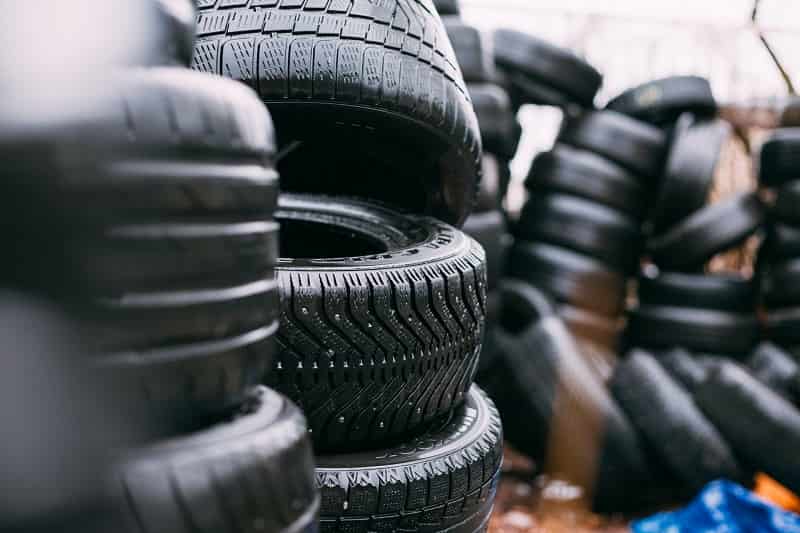
Australia’s Northern Territory is facing a growing waste problem as millions of old tires accumulate each year, with nearly half ending up in landfills and the rest transported interstate for recycling. At the same time, the region’s harsh climate continues to damage traditional road surfaces, driving up maintenance costs and contributing to premature infrastructure failure. In response to both challenges, researchers at Charles Darwin University (CDU) are working on a breakthrough solution that turns waste into an asset through recycled tire asphalt reinforced with plastics.
Their goal is simple but transformative: use shredded tires from cars and trucks—combined with recycled plastics—to create long-lasting, heat-resistant roads capable of surviving the Territory’s extreme conditions. This emerging form of recycled tire asphalt could not only reduce waste but also outperform standard bitumen while lowering construction costs.
Designing Roads for Hot, Harsh Environments
CDU Ph.D. candidate and study lead author Ramin Shahbazi explains that traditional pavements, which are typically designed for cooler climates, tend to deteriorate rapidly in the Northern Territory. High temperatures, strong UV exposure, and fluctuating weather patterns accelerate chemical aging within asphalt, making it brittle or rigid and prone to cracking.
“The hot weather up here means the long-term effects of aging roads cause different chemical reactions within the pavement, which makes the road harder or more brittle and leads to damaged roads,” Shahbazi said.
To combat this, researchers are testing modified binders that incorporate shredded rubber and recycled plastic polymers. These additions help stabilize recycled tire asphalt under extreme heat and environmental stress, preventing premature aging while offering a more flexible and resilient pavement structure.
By replacing expensive imported polymers with local recycled materials, Shahbazi believes construction teams can reduce costs without compromising performance. “Paying for an expensive polymer just to meet the traffic and weather conditions of Territory roads is like adding an environmental cost to the infrastructure’s overall price tag,” he said.
Putting Recycled Materials to the Test
The study focuses on two major binder types: crumb rubber-modified binder (CRMB) and recycled plastic-modified binder (RPMB). When blended into recycled tire asphalt, CRMB shows remarkable resistance to the primary aging mechanisms that degrade pavement—oxidative, thermal, and UV exposure. These properties make CRMB especially promising for regions like the Northern Territory, where sunlight and heat dominate the climate year-round.
RPMB also delivers potential benefits, but its performance varies more widely. Different types of plastics melt, flow, and bond differently within the asphalt mixture. Polymer dosage, environmental conditions, and the specific chemical structure of each plastic all influence how well RPMB holds up under stress. This means RPMB-based recycled tire asphalt may require more precise formulations before it can be broadly adopted.
Another challenge is moisture. Roads in the Territory must withstand intense rainfall as well as long dry spells. CRMB improves adhesion between aggregates and binders, helping prevent moisture-induced damage. However, undissolved rubber particles can reduce effectiveness in some scenarios. Meanwhile, asphalt made with recycled plastics generally demonstrates acceptable moisture resistance, but researchers continue to study how plastic melting points and molecular behavior influence long-term durability.
Overall, early results show that recycled tire asphalt has significant potential to outperform traditional binders, especially when crumb rubber is used.
Closing the Loop: Building a Circular Economy
Beyond road durability, the project carries major environmental and economic implications. Tire Stewardship Australia reports that 500,000 metric tons of tires reach end-of-life across the country each year. Transforming even a portion of that waste into recycled tire asphalt could divert vast amounts of rubber and plastic from landfills while reducing the need for virgin materials in road construction.
Shahbazi believes the Northern Territory could benefit greatly from establishing recycling facilities capable of processing tires and plastics locally. “Investing in the specific recycling facilities for these materials will then contribute to the circular economy in the Territory,” he said in the study’s release.
Local processing would also reduce transportation emissions, lower infrastructure costs, and strengthen regional supply chains—all while supporting innovation in sustainable construction materials.
A Collaborative Push for Climate-Resilient Roads
The initiative is a joint effort between Charles Darwin University and the Northern Territory Government’s Department of Logistics and Infrastructure. Together, they aim to create roads that are not only more durable but also more environmentally responsible. By refining the formulation of recycled tire asphalt, they hope to standardize its use in future construction projects throughout the region.
If successful, this research could help set national guidelines for recycled-content road materials and inspire other hot-climate countries to explore similar approaches. Roads built with recycled tire asphalt could last longer, resist heat damage better, reduce waste, and cut construction costs—all while transforming environmental liabilities into valuable resources.
The study, published in the Journal of Traffic and Transportation Engineering, positions the Northern Territory as a potential leader in sustainable infrastructure development. With waste tires still piling up across Australia, the shift toward recycled tire asphalt may be one of the most promising pathways for turning trash into long-lasting transportation networks.
More…