Enzyme biorecycling – India set to surpass Japan, Germany to become 3rd largest economy by 2030: S&P 27-10-2023 - Archive
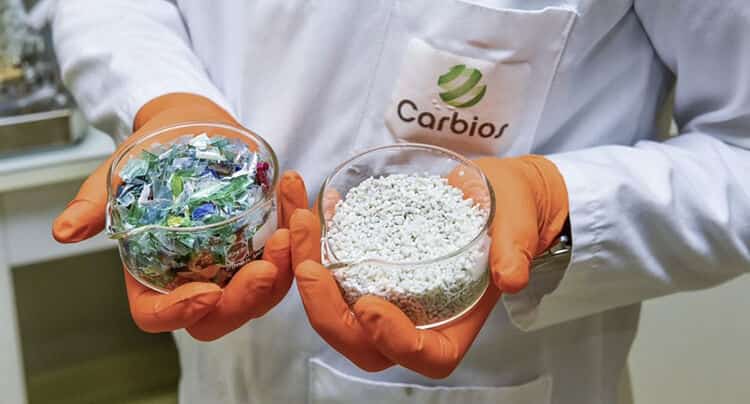
Enzyme biorecycling
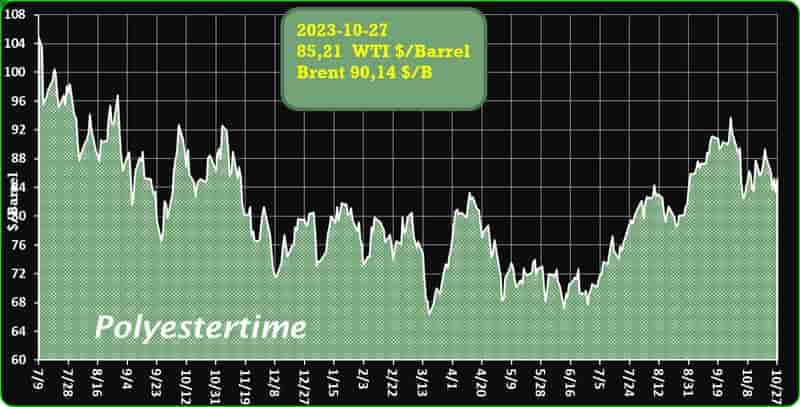
Crude Oil Prices Trend
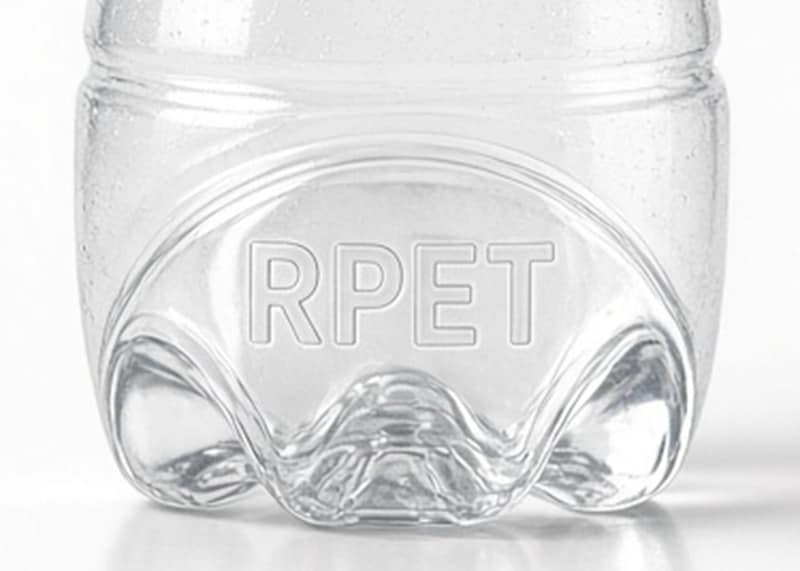
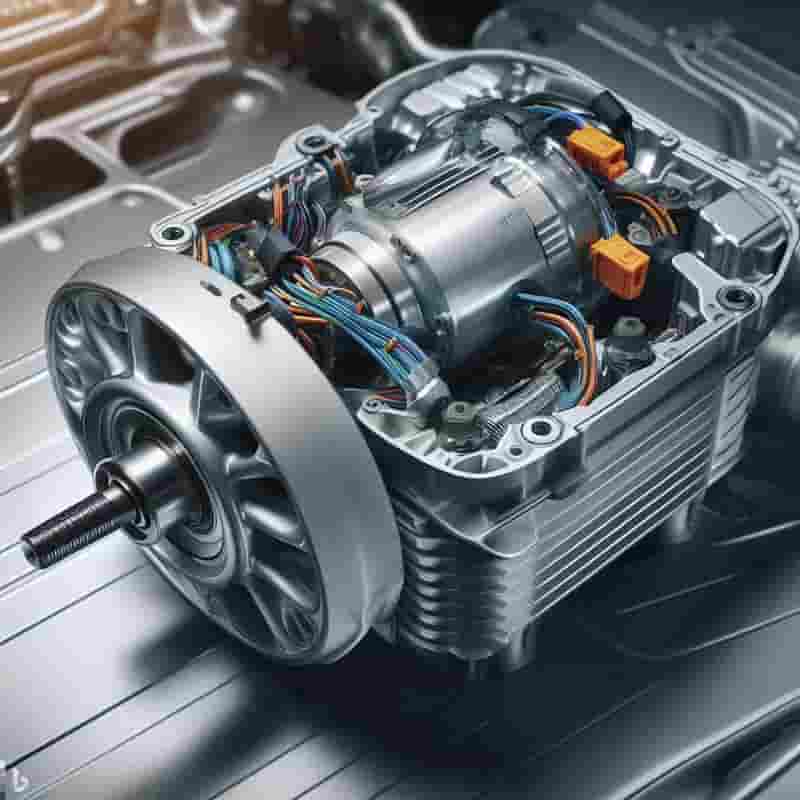
Looking into the future: clear PET’s rise and colored plastic’s decline
From milk tops to Sprite bottles, colored plastics have a grey future, whilst the value of clear PET is becoming transparent.
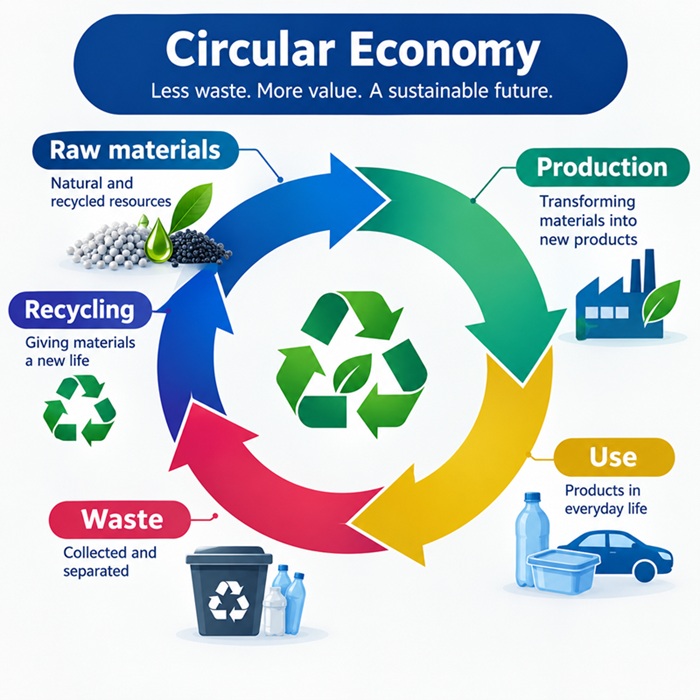
With only 9% of plastic successfully recycled globally, there has been a growing push towards a circular plastic economy: a closed-loop system for recycling materials which eliminates waste and reduces the need for new production.
Through the 2022 Global Commitment, made in collaboration with the UN Environment Programme, and the Plastics Pact Network, over 1,000 businesses and governments have already enacted plans to move towards a circular economy, committing to a variety of 2025 targets, which include ensuring that 100% of plastic packaging is reusable, recyclable, or compostable. Enzyme biorecycling
Dominic Cakebread, GlobalData analyst, commented that: “Almost all of the major global companies in the packaging supply chain – from retailers, CPG manufacturers, packaging converters and polymer suppliers are fully aware of the need to move to a circular economy and have sustainability policies, targets and systems in place to address this.”
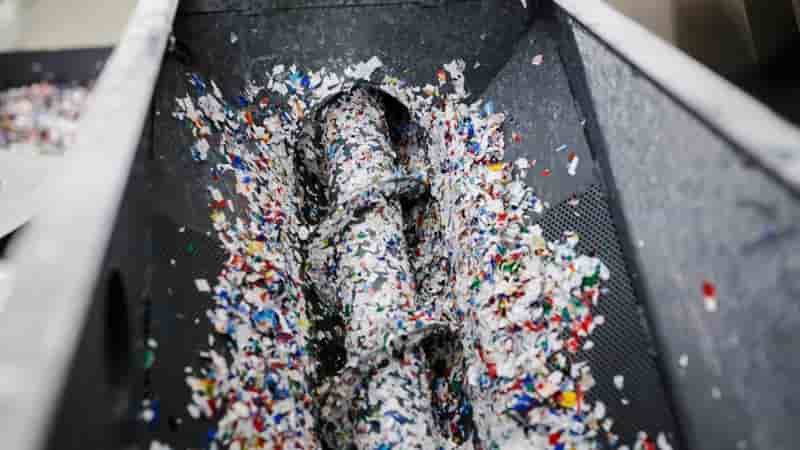
Electric motors come in different types: synchronous or asynchronous, with permanent magnets or wound rotors
These terms may seem confusing if you are not familiar with electrical engineering. Let’s see what they mean and how they affect electric mobility.
All electric motors use electromagnetism, which is based on two simple ideas: electric charges moving create magnetic fields and changing magnetic fields create electric currents. Enzyme biorecycling
Also, different magnetic fields can push or pull each other, creating forces. This way, we can turn electricity into motion for our wheels. But there are many ways to do this, and many kinds of electric motors, each with its own advantages and disadvantages.
In cars, the most common types are the synchronous motor with permanent magnets and the asynchronous motor with a copper cage. In the first one, the stator (the outer, fixed part of the motor) has copper coils that make a magnetic field when an alternating current (that changes over time) flows through them. This magnetic field also changes over time and rotates around the motor axis.
The rotor (the inner, moving part of the motor) has magnets that are attracted by the stator’s magnetic field. This makes the rotor spin at the same speed as the stator’s magnetic field, so it is called synchronous. In the second one, the rotor also has a copper cage, but no magnets.
The stator’s magnetic field makes an electric current in the rotor’s cage, which then makes another magnetic field. This second magnetic field interacts with the first one and makes the rotor spin. But this only works if the rotor is slower than the stator’s magnetic field, so it is called asynchronous. Enzyme biorecycling
The asynchronous motor is cheaper, easier and stronger than the synchronous one. That’s why it was used in the first electric cars. But it also wastes more energy as heat because of the electric current in the rotor.
That’s why it is being replaced by the synchronous motor with permanent magnets, which is more efficient (and can travel more with less energy). But this motor also has problems, mainly because of the magnets, which are costly and need rare materials to make. A possible solution is the synchronous motor with wound rotors, which some car makers like Nissan-Renault and BMW use. Enzyme biorecycling
Here, instead of magnets, the rotor has copper coils that get another electric current, called excitation current, to make a magnetic field. This current can be controlled to change how the motor works at different speeds, which can make it even more efficient than the permanent magnet motor at high speeds.
India set to surpass Japan, Germany to become 3rd largest economy by 2030: S&P
India has become an increasingly attractive location for multinationals across a wide range of industries, says US-based global ratings agency
India is likely to overtake Japan and Germany to become the world’s third-largest economy by 2030 as its gross domestic product (GDP) is expected to touch $ 7.3 trillion, S&P Global Market Intelligence says in its latest PMI issue.
Currently, India is the 5th largest economy in the world at $3.7 trillion worth of GDP in 2023-24. It replaced the U.K. as the 5th biggest economy in 2022. After two years of rapid economic growth in 2021 and 2022, the Indian economy has continued to show sustained strong growth during the 2023 calendar year, S&P says. Enzyme biorecycling
“India’s nominal GDP measured in USD terms is forecast to rise from USD 3.5 trillion in 2022 to USD 7.3 trillion by 2030. This rapid pace of economic expansion would result in the size of the Indian GDP exceeding the Japanese GDP by 2030, making India the second largest economy in the Asia-Pacific region. By 2022, the size of Indian GDP had already become larger than the GDP of the UK and also France.
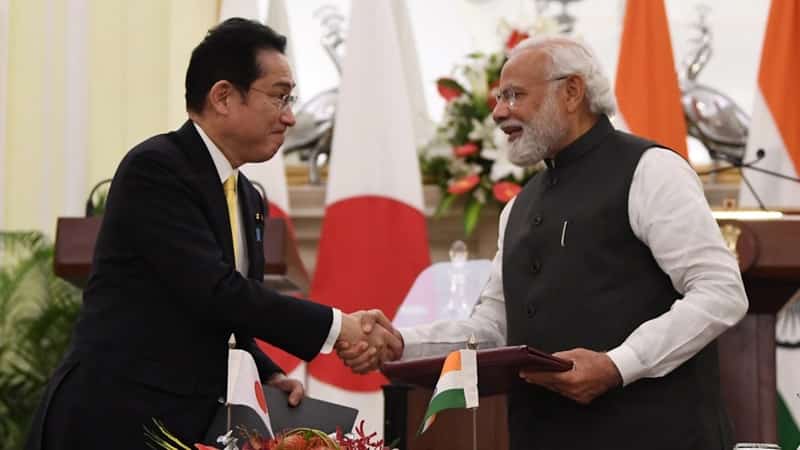
Valgroup expands its operations in the Italian PET preform market with the acquisition of Garda Plast Group
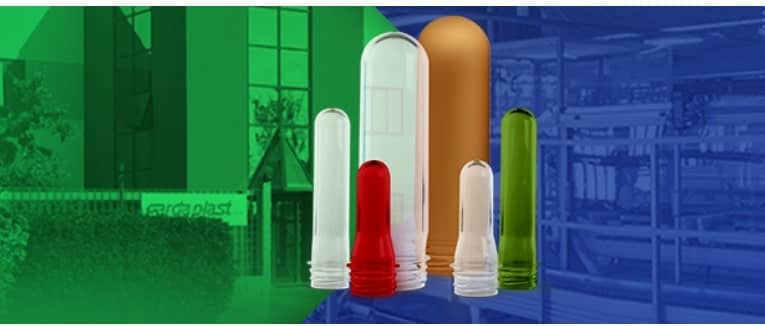
Valgroup, one of the largest producers, transformers and recyclers of plastic packaging, announces the acquisition of Garda Plast Group (GP Group), formed through the aggregation – led by Progressio SGR – between Garda Plast S.p.A., based in Polpenazze del Garda (BS), and IFAP S.p.A., based in Palmanova (UD). GP Group is specialized in the production of PET and rPET preforms. Enzyme biorecycling
This business expansion consolidates the company’s presence in Italy, strengthening relations with suppliers and enabling it to support regional customers more comprehensively.
Massimo Cutolo, President and CEO of Garda Plast, comments: “During these years of partnership with Progressio, the management team has achieved significant milestones. We dare say that our Group is now an excellence in the industry, important goals has been achieved and many others will be achieved.” Enzyme biorecycling
Alessandro Petraccia, Senior Partner at Progressio, says: “We are proud to have supported Massimo and the management team of the GP Group in this journey. The company has embarked on a virtuous growth path, entering new markets, developing new value-added business lines, investing in technology, digitalization, and sustainability. Special thanks go to our partners, Pietro Bruseschi, Marco Bruseschi, Amos Tonoli, and Luca Tonoli, who, not only for their significant contribution to the business, but also because they have been great companions in this journey.”
Luigi Geronimi, Founder of Valgroup, says: “With the acquisition of the Garda Plast Group, we further consolidate our position in the Italian market, creating a hub of innovation and excellence in the PET and rPET preform sector for the beverage, detergent and dairy industries.”
The two new plants acquired by Valgroup in Italy are in addition to five other PET preform manufacturing units: one in San Jose, Uruguay, another three in Brazil, in the cities of Duque de Caxias (RJ), Ipojuca (PE) and Betim (MG), as well as the unit located in Villa Lempa, Italy, acquired at the end of 2022. Enzyme biorecycling
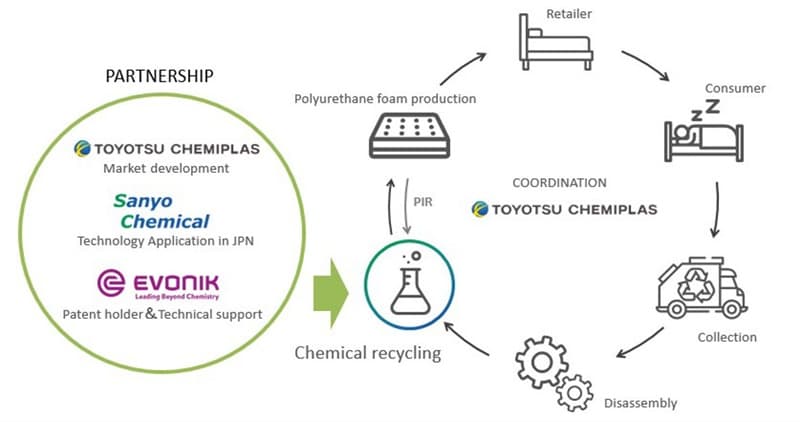
What’s the deal on chemical recycling?
A major point of debate in Europe today is the status of chemical recycling. Mark Victory of ICIS weighs in.
Chemical recycling and the definition of recycling
Directive 2008/98/EC forms the basis of the majority of EU recycling legislation definitions, defines recycling as “any recovery operation by which waste materials are reprocessed into products, materials or substances whether for the original or other purposes. It includes the reprocessing of organic material but does not include energy recovery and the reprocessing into materials that are to be used as fuels or for backfilling operations.”
This has left the legal status of chemical recycling uncertain, particularly for pyrolysis – the dominant form of chemical recycling in Europe – where mixed plastic waste is commonly converted to pyrolysis oil – a naphtha substitute – before being reprocessed into recycled materials. Enzyme biorecycling
The EU Commission stated in late 2020 that it would take a decision in 2021 on the legal status of chemical recycling based on its cradle-to-grave life-cycle impact. This decision remains yet to emerge.
Nevertheless, the proposed redraft of the Packaging and Packaging Waste Directive – which would replace transform the directive into a regulation, uses a different definition of recycling, which would clear up the ambiguity in directive 2008/98/EC
The draft legislation states that:
“The amount of packaging waste materials that have ceased to be waste as a result of a preparatory operation before being reprocessed may be counted as recycled provided that such materials are destined for subsequent reprocessing into products, materials or substances to be used for the original or other purposes. Enzyme biorecycling
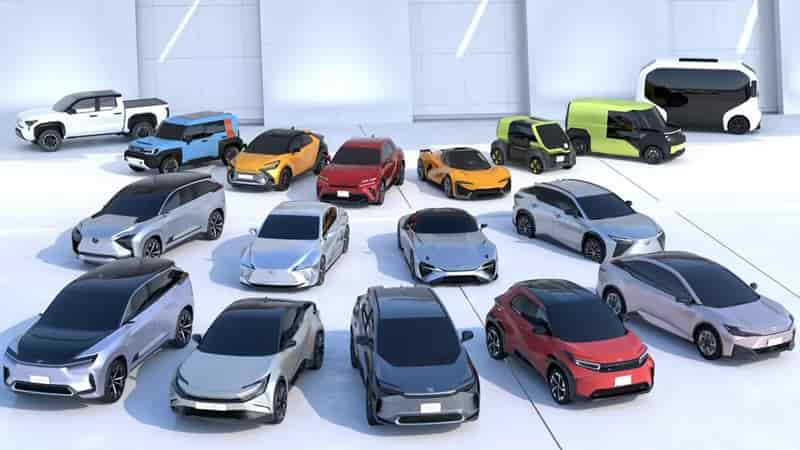
Toyota – Akio Toyoda: “People are finally opening their eyes” to electric cars
Enzyme biorecycling