Braskem Expands Its Global Bioplastics Mission, Strengthening Circular Economy Goals and Inspiring Sustainable Progress Across Industries and Communities Everywhere 22-10-2025
Braskem Deepens Its Global Push into Bioplastics and Circularity
A Bold Commitment to a Carbon-Neutral Future
Global materials innovator Braskem SA is accelerating its transition toward a sustainable and circular economy. Through its Wenew portfolio, the company is expanding the reach of bioplastics, recycled, and renewable materials that meet the rising global demand for eco-friendly solutions.
At K 2025 in Düsseldorf, Walmir Soller, Braskem’s Vice President for North America, Europe, and Asia—and CEO of Braskem Netherlands—shared impressive progress: a 17% reduction in carbon intensity and a renewed pledge to reach 15% by 2030 and net zero by 2050.
“It’s a transformation happening worldwide,” said Soller. “Different regions move at different speeds, depending on consumer maturity, brand owner mindset, and local sustainability regulations.”
Bioplastics: A Sustainable Evolution of Plastic
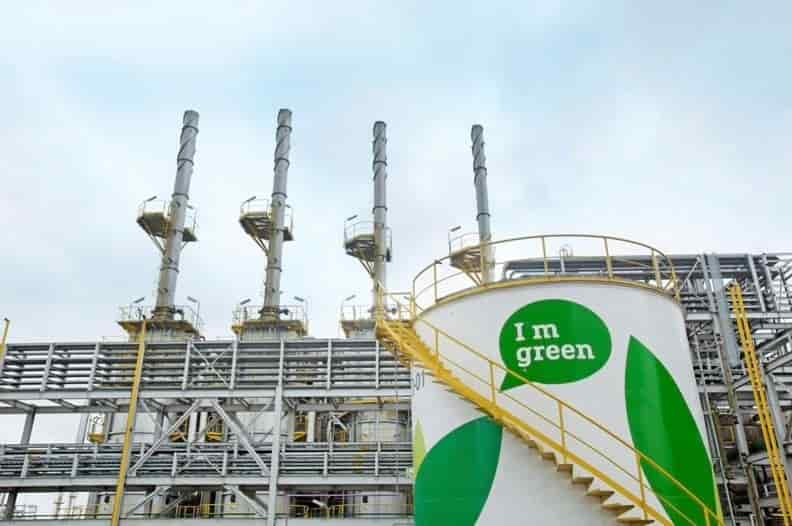
Despite the continued low cost of fossil-based resins, Braskem remains focused on investing in sustainable materials. Roger Marchioni, the company’s Asia Business Director and Global Commercial Director for Biopolymers, emphasized that Braskem’s “I’m green” bio-resin is key to building resilience in a competitive market.
This bio-based polyethylene, produced from sugarcane ethanol, delivers a certified negative carbon footprint while maintaining the strength and versatility of conventional plastics. For example, Braskem’s bio-based resins are already being used to manufacture artificial Christmas tree needles, combining performance with sustainability.
Soller explained that while plastic remains vital due to its energy efficiency and low carbon footprint, bioplastics elevate that value further by actively capturing carbon during production.
“Our ‘I’m green’ material is the evolution of traditional plastics,” Soller said. “It provides the same benefits, but with the added advantage of reducing emissions.”
Circularity Driven by the Wenew Portfolio
A central pillar of Braskem’s sustainability strategy is its Wenew portfolio, which now includes more than 55 products featuring recycled content and has surpassed 85,000 tons in sales.
Braskem views mechanical recycling, chemical recycling, and bio-based and bio-attributed materials as complementary tools in achieving a true circular economy.
“Each approach plays a vital role,” Marchioni explained. “Mechanical recycling has its limits in sensitive sectors like healthcare and food contact. That’s why having reliable, scalable bioplastics solutions is essential.”
He added that the food packaging industry is a key growth area for bioplastics, driven by stricter sustainability laws and consumer demand for alternatives to fossil-based materials. Other sectors—such as hygiene, medical, footwear, and sportswear—are also seeing increased adoption.
Data Transparency Builds Trust
Transparency is another cornerstone of Braskem’s approach. The company invests heavily in Life Cycle Assessments (LCAs) and carbon footprint analyses to provide accurate, verifiable data to its partners.
“We invest as much in data collection as we do in technical support,” Marchioni said. “Our teams help customers understand the environmental impact of their materials with clear, actionable insights.”
Braskem also upholds rigorous sourcing standards. Feedstocks must comply with ethical labor practices, agricultural best standards, and deforestation prevention policies. Using third-party certifications and internal audits, Braskem ensures compliance and integrity across its supply chain.
For customers seeking additional verification, the company provides satellite imagery to demonstrate that sugarcane farms are located far from forested regions.
“These standards act as reputational insurance for our customers,” said Soller. “We go beyond compliance to prevent greenwashing and reinforce genuine sustainability.”
Scaling Up Global Sustainability
Looking forward, Braskem aims to expand geographically while accelerating low-carbon innovation. The company plans to integrate enzyme-driven processes and next-generation recycling technologies to enhance the performance and circularity of its bioplastics portfolio.
Through a combination of bio-based chemistry, advanced recycling, and data transparency, Braskem is positioning itself as a leader in the future of sustainable materials.
In summary:
Braskem’s deepening investment in bioplastics marks a pivotal shift toward sustainable, data-driven innovation. Through the Wenew portfolio, transparent supply chains, and renewable technology, the company is redefining what circularity means for the modern plastics industry—and for the planet.
More…