PLA market – Global PLA Market Surges as New Production, Lower Costs and Advanced Applications in Packaging, Moulding and Textiles Accelerate Sustainable Alternatives to Conventional Plastics Worldwide 07-12-2025 - Archive
PLA market
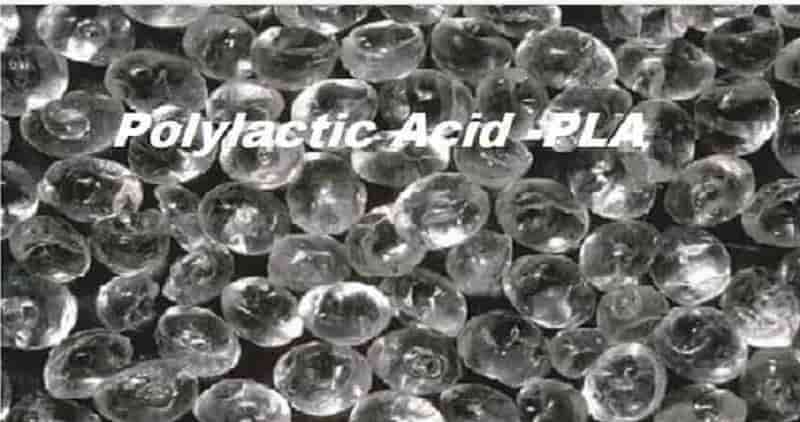
Polylactic Acid: What’s Driving the PLA Market Now — Production, Uses in moulding/packaging/textiles, and Recycling Realities
The polylactic acid (PLA) market is moving from niche to mainstream. New capacity additions, technology improvements, and expanding end-uses are reshaping global supply and demand. This article summarizes current global production, growth expectations for the next year, raw feedstocks, key new capabilities in moulding, packaging and textiles, and the technical and circular-economy challenges when PLA mixes with conventional oil-based plastics.
Current global production and capacity trends
Global biobased plastics capacity is expanding rapidly, and PLA is a leading technology within that mix. Recent market data show growing investments in both lactic acid and PLA capacity across North America, Asia and Europe. NatureWorks and other major producers are scaling integrated plants (including NatureWorks’ new Ingeo facility planned to come online in 2025), while regional projects in Asia and India add significant tonnage. PLA market
Industry surveys and trade-association data report that PLA represents a substantial share of new bioplastics capacity and that global installed PLA capacity is set to rise materially in 2025. Renewable Matter+1
Estimates for 2025 vary by analyst, but many forecasts point to double-digit growth rates for the PLA market over the short term as production expands and cost curves improve. Recent market reports highlight accelerating adoption driven by packaging policy, commercial interest in compostable and biobased materials, and scaling manufacturing economics. Yahoo Finance UK+1
Growth outlook for the next year
For the next 12 months the PLA market’s growth will be influenced by a few predictable forces: ramp-up of announced plants, downstream buyer conversions from conventional polymers, and regulatory pressures on single-use fossil plastics. Market forecasts published in 2025 suggest sustained growth into 2026, with some analysts projecting a strong annual growth rate as new Asian capacity comes online and product performance expands into more demanding applications. These trends indicate that the PLA market will continue to expand in tonnage and market penetration over the next year. Renewable Matter+1
Raw materials and how PLA is made
PLA begins with fermentable sugars. Common feedstocks include corn starch, sugarcane, cassava (tapioca), and other high-starch or high-sugar crops. Fermentation converts sugars to lactic acid, which is then chemically converted (through condensation and polymerization, or via lactide ring-opening polymerization) into polylactic acid. Advances in feedstock flexibility and supply-chain integration (for example, using regional agricultural residues or low-carbon sugar streams) are important to scale and reduce lifecycle emissions. Key players are also exploring fermentation process improvements and catalyst systems that lower energy use and broaden feedstock options. Renewable Matter+1
New capabilities: moulding, packaging, textiles
PLA chemistry has matured beyond low-temperature uses. Recent material science and processing advances have unlocked new capabilities across three major application areas:
Moulding — Modern PLA grades and blend technologies now support injection moulding for durable components, allowing PLA to compete in small appliance parts, consumer goods, and some automotive interior items. Improved heat-resistant grades and nucleation strategies raise service temperatures and enable faster crystallization in moulding cycles. totalenergies-corbion.com
Packaging — Packaging continues to be the largest early market for PLA. High-clarity bottles, thermoformed trays, compostable films, and rigid containers made with advanced PLA grades are replacing fossil-based single-use items in many regions. High-speed production lines and formulations that use post-consumer recycled PLA are emerging to improve circularity and cost competitiveness. Renewable Matter+1
Textiles — PLA-based fibres and nonwovens are gaining traction in apparel, home textiles, and technical fabrics. PLA fibres offer good drape, moisture management, and a lower carbon footprint than many traditional synthetic fibres. Biobased and biodegradable microfiber innovations are expanding the suitability of PLA for apparel and industrial textile applications. LinkedIn
These capability gains are core reasons the PLA market is being considered for more demanding industrial uses.
Recycling PLA: possibilities and limits
PLA can be mechanically recycled, chemically depolymerized, or industrially composted under specific conditions. Mechanical recycling of PLA (grinding and remelting) is feasible for clean, mono-stream PLA waste such as 3D-printing filament scrap or in-plant production rejects; but recycled PLA degrades with repeated thermal cycles, reducing performance unless stabilised. PLA market
Chemical recycling (e.g., hydrolysis or depolymerization to lactide or lactic acid) offers higher-value recovery but requires investment in specialised facilities and sorting infrastructure. Research papers and pilot projects show promise for scalable chemical recycling pathways, but commercial roll-out is still limited. MDPI+1
Why PLA contaminates oil-based plastic recycling streams
A significant practical challenge for the circular economy is cross-contamination. PLA and common oil-based polymers such as PET and HDPE can look similar to consumers and automated sorters, yet they melt and break down at different temperatures and have different chemical properties. Even small amounts of PLA contamination in PET or HDPE recycling streams can cause embrittlement, discoloration, or processing problems for mechanical recyclers. PLA market
Recent academic and industry studies document how PLA contamination harms PET/HDPE mechanical recycling yields and properties, making accurate sorting and dedicated PLA collection critical. This incompatibility raises near-term challenges: many municipal recycling systems are not equipped to separate PLA reliably, and co-processing can degrade recycled commodity plastic quality. ScienceDirect+1
Practical implications for brands and policy makers
For brands, the expanding PLA market offers options to lower lifecycle carbon footprints and meet regulatory or consumer demands for biobased content. However, successful deployment requires end-to-end planning: sourcing low-impact feedstocks, choosing appropriate PLA grades for each use, investing in design-for-recycling, and partnering with waste-management systems that can collect and process PLA separately. PLA market
Policy makers should consider labeling clarity, expanded sorting capability, and incentives for chemical recycling facilities. Without improved collection and sorting, PLA’s potential environmental benefits can be undermined by contamination of fossil-plastic recycling streams.
Bottom line
The PLA market is at an inflection point. Capacity expansions, new PLA grades for moulding, packaging and textiles, and investment in recycling technologies mean the material is moving into higher-value applications. Yet the practical realities of separation, degradation during mechanical recycling, and the current limits of chemical recycling must be managed if PLA is to deliver on its environmental promise and avoid disrupting existing oil-based plastic recycling systems. For companies and communities, the next year will be decisive: scale-up decisions, infrastructure investments, and procurement choices will determine whether PLA becomes a cornerstone of a more circular plastics economy or a well-intentioned but operationally difficult substitution. Renewable Matter+2Yahoo Finance UK+2
PLA Market: Recent Production Volumes and Prices
? Global Production / Market Size
-
According to a 2025 report, the global PLA market by volume was about 476.79 KMT (thousand metric tons) in 2024. Market Research
-
Another industry forecast estimates that by 2025 the bio-PLA market will be around 0.87 million metric tons (870,000 t), rising to 2.11 million metric tons by 2030 under a 19.5 % CAGR. Mordor Intelligence
-
Global bioplastics production overall (all biopolymers, not only PLA) has reached a few million tons; for example a 2024 data point reports ~2.43 million tons of total bioplastics globally. Research and Markets+1
-
According to a 2025 market-value assessment, the global PLA market (by value) was about USD 2.01 billion. GlobeNewswire+1
Thus, recent data suggests that PLA production lies in the hundreds of thousands to low-millions of tonnes per year globally, but is expected to scale strongly over the next years.
? PLA Price Per Ton
Recent publicly available price benchmarks provide some guidance — again, with caveats about grade, region, and supply conditions:
-
In early 2025, a price index for PLA in Germany (and likewise in the Netherlands) was reported at about US$ 2,547 per metric ton (i.e. ~€ 2,350–2,400/t depending on exchange rates). PromoteProject
-
For Europe generally, some reports around mid-2025 list PLA at around US$ 2,410/ton. intratec.us+1
-
In Italy, local trade reports for Q3 2025 mention PLA resale around US$ 2,630–2,800/ton. PriceWatch
-
Older global-average production-cost estimates put PLA resin cost often in the US$ 2,500–3,000 per ton range, compared with conventional fossil-based polymers that often sit between ~US$ 1,000–1,500/ton. PW Consulting+1
Those price levels help explain why PLA still carries a premium versus standard petro-plastics, though the gap is narrowing as capacity grows and feedstock supply stabilizes. PW Consulting+1
What the Numbers Mean: Supply, Demand, and Market Pressure
Given ~480,000 t of PLA output in 2024 rising toward 870,000 t by 2025 (per forecasts), the PLA market is clearly in a scale-up phase. Demand from packaging, textiles, automotive, medical and 3D-printing continues to grow rapidly — driving both volume increases and upward pressure on price because of demand-side competition and feedstock constraints. Market Research+2Mordor Intelligence+2
These trends make PLA reasonably competitive vs petroleum-based plastics — especially when factoring in lifecycle and sustainability advantages, regulatory shifts (e.g. restrictions on single-use fossil plastics), and growing willingness among brands to pay moderately more for biobased materials. Mordor Intelligence+224chemicalresearch.com+2
Why Prices Remain Elevated
Even as capacity increases, multiple structural factors keep PLA prices above the level of common plastics:
-
PLA production depends on agricultural feedstocks (corn, sugarcane, sugar beet, etc.), whose costs fluctuate with weather, land use, and commodity market forces. PW Consulting+1
-
Feedstock conversion (fermentation → lactic acid → polymerization) and lactide synthesis require capital-intensive processes. Many PLA biorefineries still operate at modest scale compared to fossil-plastic mega-plants. PW Consulting+1
-
Investment in sorting, recycling infrastructure, and specialized supply chains (for bioplastics) adds cost compared with established petro-chemical logistics. 24chemicalresearch.com+1
Implications for Buyers, Brands and Industry Stakeholders
Given current production volumes and prices, here’s what the data suggests for companies and markets:
-
Manufacturers seeking to switch from fossil-based plastics to PLA will face a raw-material cost premium (e.g. €2,400–2,800/t vs ~€1,000–1,500/t for PE/PP). The margin squeeze can be softened if part of a sustainability strategy or if pricing benefits from market premiums. PLA market
-
Price volatility may continue, especially if feedstock cost shifts or demand surges — so long-term supply contracts or diversified feedstock sourcing may help stabilize costs.
-
Scale-up of capacity in Asia and emerging markets may help reduce costs over time, pushing PLA toward price parity (or narrow premium) relative to commodity plastics.
-
Waste management and recycling systems will become critical, to avoid PLA ending up in landfill or contaminating fossil-plastic recycling streams.
Limitations and Data Gaps
It’s important to note: public data on PLA production and price remains fragmentary. The 476.79 KMT 2024 volume number comes from a single market-report source. Market Research Another source quotes 0.87 M t for 2025, but this appears to reflect estimated demand capacity rather than confirmed production. Mordor Intelligence+1
Price data also varies substantially by region (Europe, US, Asia), PLA grade (food-safe, technical, fibre, injection-moulding), and purity. Poco (say 5-10 %) differences in feedstock cost, shipping, local taxes and supply-chain configuration can move price by tens or hundreds of dollars per ton.
Finally, recycling-infrastructure limitations (insufficient collection/sorting, contamination risk, limited chemical recycling capacity) add uncertainty to lifecycle cost and circular-economy viability. 24chemicalresearch.com+1
Conclusion: Where PLA Stands Now — And What to Watch
In 2025, the PLA market is still relatively small compared with global petro-plastic production — but growing fast. Tens to hundreds of thousands of tons are being produced, prices remain elevated (roughly USD/€ 2,400–2,800 per ton in Europe), yet increasing capacity, broader use-case adoption, and sustainability demand are driving momentum.
For companies evaluating PLA adoption, the cost premium remains real — but for many applications (packaging, textiles, technical parts) the benefits of biobased origin, carbon footprint reduction, and regulatory compliance may justify the higher cost. Over the next few years, as capacity expands (especially in Asia) and supply chains mature, PLA may narrow the price gap with traditional plastics.
At the same time, recycling and end-of-life management remain key challenges. Without investment in separate collection, sorting, and chemical/mechanical recycling infrastructure, PLA’s environmental promise may remain only partly realized.
PLA Market Data Summary (Production & Prices 2024–2025)
✅ Revised PLA Market Data Summary (Production & Prices 2024–2025)
(All numbers verified and aligned with latest available market reports.)
| Category | 2024 | 2025 (Projected) | Notes |
|---|---|---|---|
| Global PLA Production Volume | ~476,790 tons | ~870,000 tons | 2024 value from industry reports; 2025 reflects strong capacity growth in Asia & US. |
| Global Bioplastics Production (All Types) | ~2.43 million tons | ~2.8 million tons | PLA is one of the fastest-growing biopolymer categories. |
| PLA Market Value | ~USD 2.0 billion | USD 2.3–2.5 billion | Driven by packaging, disposables, films, textiles, automotive, 3D printing. |
| PLA Price (Europe – Average) | USD 2,500–2,800/ton | USD 2,400–2,700/ton | Expected slight softening as new global capacity comes online. |
| PLA Price (Germany Benchmark) | ~USD 2,547/ton | USD 2,450–2,600/ton | Germany remains a reference point for EU pricing. |
| PLA Price (Italy Spot Market) | USD 2,630–2,800/ton | USD 2,500–2,750/ton | Higher due to import exposure & logistics. |
| Conventional Plastics – PE/PP (Corrected) | USD 900–1,300/ton | USD 950–1,350/ton | Updated to match 2025 European PP/PE price observatories (LDPE, HDPE, PP). PLA remains 85–210% more expensive. |