Gerolsteiner rPET returnable bottle – Gerolsteiner Introduces Breakthrough More Durable 50% rPET Returnable Bottle, Cutting CO₂ Emissions While Extending Reuse Cycles for Sustainable Mineral Water Packaging 21-01-2026
Gerolsteiner rPET returnable bottle
A New Step Forward in Returnable PET Packaging
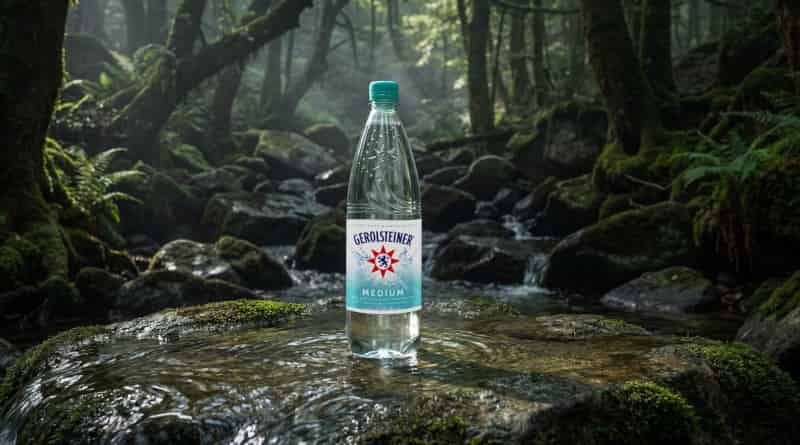
German mineral water producer Gerolsteiner is advancing its sustainability strategy with the introduction of a newly developed 1-litre PET returnable bottle. From mid-January 2026, the company will gradually roll out the improved container, which is designed to replace the existing model over time while significantly increasing durability and reducing environmental impact.
The new Gerolsteiner rPET returnable bottle represents a technical and ecological upgrade rather than a radical redesign. By focusing on stability, reuse cycles, and recycled material content, Gerolsteiner aims to improve the overall lifecycle performance of one of its most widely used packaging formats.
Improved Stability Enables Up to 25 Reuse Cycles
One of the most important innovations of the new bottle is its enhanced robustness. According to Gerolsteiner, the redesigned container can now be refilled up to 25 times, a substantial increase compared with the previous version. This improvement directly translates into a longer service life and better resource efficiency. Gerolsteiner rPET returnable bottle
The increased stability is achieved primarily through a redesigned bottle base. Instead of the earlier four-foot base, the new model features a champagne base, a structural solution known for its superior load distribution and resistance to mechanical stress. This change improves performance during transport, washing, refilling, and repeated handling within the return system.
To support this added durability, the bottle’s material usage has been slightly increased. The new Gerolsteiner rPET returnable bottle weighs 62 grams, compared with 48 grams for its predecessor. While this represents a higher material input per unit, Gerolsteiner emphasizes that the significantly extended reuse phase more than compensates for the additional weight from a sustainability perspective.
50% rPET Content and Significant CO₂ Reduction
A central element of the new bottle is its recycled material content. The container is manufactured with 50% rPET, aligning with Gerolsteiner’s broader commitment to circular economy principles and reduced reliance on virgin plastics. Gerolsteiner rPET returnable bottle
Based on current lifecycle calculations, Gerolsteiner expects the new bottle to save approximately 1,900 tonnes of CO₂ per year. This corresponds to a reduction of more than one third in emissions compared with the previous 1-litre PET returnable bottle. The CO₂ savings result from the combination of higher reuse rates, longer bottle lifespan, and the use of recycled material.
The Gerolsteiner rPET returnable bottle therefore demonstrates how incremental design improvements can deliver substantial environmental benefits when applied at scale across a large returnable pool. Gerolsteiner rPET returnable bottle
Compatibility with Existing Logistics and Infrastructure
Despite the technical changes, Gerolsteiner has deliberately kept the basic design and dimensions of the bottle unchanged. Height, diameter, label area, and closure remain identical to the previous version. This ensures full compatibility with existing filling lines, logistics systems, and retail infrastructure.
The unchanged dimensions allow Gerolsteiner to continue using the same crates, and both bottle versions will share the same article numbers. This approach minimizes operational disruption and avoids unnecessary waste during the transition phase.
From a sustainability standpoint, Gerolsteiner considers a complete changeover on a fixed date neither feasible nor environmentally sensible. The company operates one of the largest PET returnable bottle pools in Germany, and many existing bottles remain in good condition. These containers are intended to stay in circulation for their full lifecycle rather than being prematurely removed. Gerolsteiner rPET returnable bottle
Parallel Use During a Multi-Year Transition Phase
As a result of this pragmatic strategy, both the old and new 1-litre PET returnable bottles will be available in parallel for an estimated period of two to three years. Consumers will find both versions within the Gerolsteiner 12 × 1-litre PET returnable crate during this transition.
This gradual rollout allows Gerolsteiner to integrate the new bottle into the existing pool organically, ensuring maximum utilization of all returnable containers already in circulation. From an environmental perspective, this approach supports resource conservation and avoids unnecessary material losses.
Returnable Packaging as a Core Business Pillar
The launch of the new Gerolsteiner rPET returnable bottle fits into a broader, diversified packaging strategy. Gerolsteiner offers its mineral water products in glass returnable bottles, PET returnable bottles, and PET single-use bottles, allowing flexibility for different consumption contexts and distribution channels.
Returnable packaging plays a particularly important role in the company’s overall sales structure. Approximately 70% of Gerolsteiner’s sales are generated through glass and PET returnable containers, underlining the strategic importance of reusable systems within its business model.
By continuously improving its returnable PET solutions, Gerolsteiner reinforces its position as a leading player in sustainable beverage packaging while responding to increasing regulatory, retail, and consumer expectations regarding environmental performance.
A Measured and Scalable Sustainability Upgrade
Rather than pursuing disruptive changes, Gerolsteiner’s latest bottle innovation demonstrates the value of measured, scalable improvements. Enhanced durability, higher reuse rates, and increased recycled content combine to deliver meaningful CO₂ reductions without compromising operational efficiency.
The new 1-litre Gerolsteiner rPET returnable bottle highlights how packaging innovation can align environmental responsibility with practical implementation. As the bottle gradually enters circulation from 2026 onward, it is set to become a key component of Gerolsteiner’s long-term sustainability roadmap.
More….