Indorama and AMB Launch Recyclable PET Tray Boosting Circular Food Packaging and Meeting Europe 2030 Recycled Content Targets with Scalable Innovation 25-02-2026
Indorama and AMB Accelerate Circular Food Packaging with Recyclable PET Tray
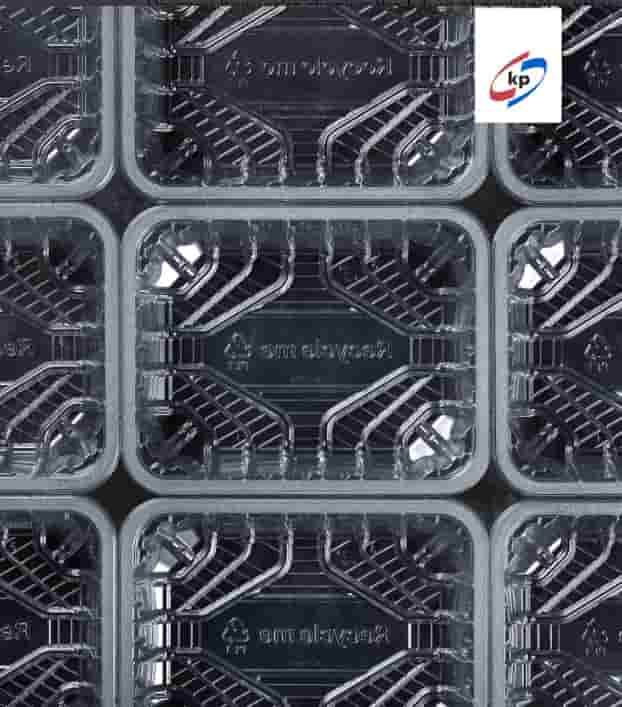
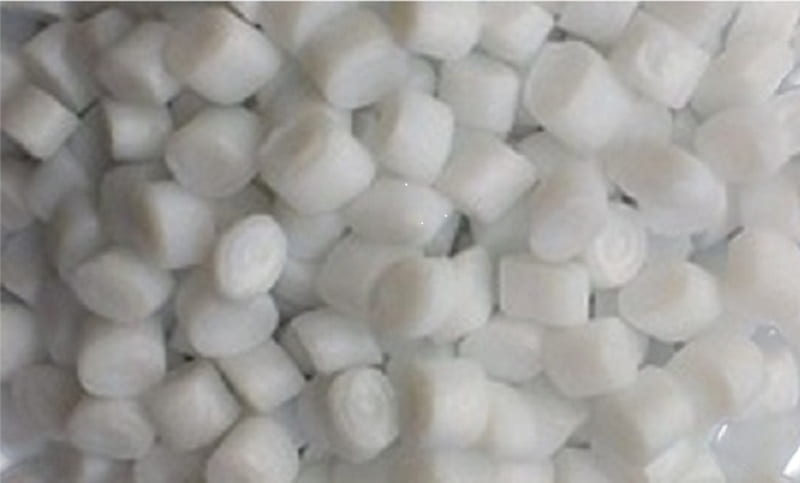
Indorama Ventures and AMB Spa have strengthened their partnership with the launch of a new recyclable PET tray designed to improve circular food packaging performance across Europe. The innovation combines recycled PET flakes in the core layer with virgin, food-grade PET on the outer surfaces, balancing regulatory compliance, product integrity, and recyclability.
As the food sector faces mounting regulatory and environmental pressure, this recyclable PET tray represents a strategic response to Europe’s evolving packaging landscape. By integrating recycled material directly into multilayer tray production, the companies aim to maintain high-performance standards while advancing circularity objectives.
Multilayer Design That Enhances Recyclability
The newly developed recyclable PET tray features a multilayer structure. Recycled PET flakes are embedded within the central core, while the exterior layers consist of virgin PET suitable for direct food contact.
This configuration addresses a longstanding technical challenge in food packaging: how to increase recycled content without compromising food safety, optical clarity, sealing performance, or mechanical strength.
Key design advantages include:
-
Food-grade compliance through virgin PET outer layers
-
Improved circularity via recycled PET flakes in the core
-
Maintained clarity and sealing performance for retail presentation
-
Compatibility with existing recycling streams
By optimizing material placement within the structure, the recyclable PET tray enables a higher recycled content percentage while preserving functionality for demanding food applications.
Supporting Europe’s PPWR Recycled Content Targets
The development directly aligns with the European Union’s Packaging and Packaging Waste Regulation (PPWR), which mandates an average of 30% recycled content in plastic packaging by 2030.
Meeting these requirements presents operational and technical hurdles for food packaging manufacturers, particularly in sectors that rely on strict hygiene standards. The recyclable PET tray provides a practical pathway toward compliance without sacrificing industrial scalability.
This approach demonstrates how material innovation can serve as a bridge between regulatory compliance and commercial viability. Rather than redesigning entire packaging systems, manufacturers can adopt multilayer configurations that embed recycled PET while maintaining performance expectations.
From Development to Full-Scale Production
Production of the recyclable PET tray has begun at Indorama Ventures’ Verdun Recycling facility in France. Initial deliveries to UK customers are already underway, with wider European distribution scheduled to follow.
The project builds on collaboration between Indorama Ventures and AMB Spa that began in 2023. What started as a development initiative has now transitioned into full industrial production, signaling confidence in both technical feasibility and market demand.
This progression underscores an important industry shift: sustainability-focused packaging is moving beyond pilot projects into scalable manufacturing environments.
Unlocking New Recycling Pathways for Complex Packaging
Multilayer food trays have historically posed recycling challenges due to material composition and separation constraints. The recyclable PET tray developed by Indorama and AMB demonstrates that multilayer solutions can contribute to circular food packaging systems when engineered correctly.
By ensuring the tray can be processed within existing PET recycling infrastructure after use, the design supports closed-loop potential. Recovered material can re-enter production cycles for similar applications, reducing dependency on virgin resin and lowering overall carbon intensity.
This system-level thinking reflects a broader transformation within the packaging industry. Instead of focusing solely on end-of-life disposal, companies are redesigning products to integrate seamlessly into recycling ecosystems.
Industrial Performance Meets Circular Economy Ambitions
One of the central challenges in food packaging innovation is maintaining performance under real-world conditions. Food trays must withstand temperature variations, transport stress, sealing requirements, and retail handling.
The recyclable PET tray addresses these demands while incorporating recycled PET content at scale. By placing recycled material in the structural core and preserving food-grade surfaces, the design maintains product reliability.
For tray manufacturers and food producers, this balance is critical. Sustainability initiatives must not compromise operational efficiency or brand perception. A tray that combines clarity, durability, and recyclability offers a commercially viable path toward circular food packaging.
Strengthening Recycling Systems Across Europe
The introduction of this recyclable PET tray also contributes to strengthening Europe’s recycling infrastructure. By generating consistent demand for recycled PET flakes, the initiative supports investment in collection, sorting, and reprocessing facilities.
Increased integration of recycled PET into high-performance applications sends a strong signal to the market: recycled polymers are not limited to secondary or downgraded uses. Instead, they can play a central role in premium food packaging solutions.
As more manufacturers adopt similar multilayer strategies, economies of scale could further accelerate the transition to circular food packaging models.
Strategic Implications for the Packaging Industry
The collaboration between Indorama Ventures and AMB Spa highlights several important trends shaping the packaging sector:
-
Regulatory alignment as innovation driver
-
Design-for-recycling principles integrated at product level
-
Industrial scalability beyond laboratory testing
-
Cross-company partnerships enabling technical breakthroughs
By combining material science expertise with manufacturing capabilities, the companies have delivered a recyclable PET tray that aligns environmental ambition with market realities.
The initiative illustrates how packaging producers can proactively respond to PPWR mandates while reinforcing competitiveness. Early adoption of compliant, circular solutions may offer a strategic advantage as regulatory enforcement intensifies.
A Model for Next-Generation Circular Food Packaging
The recyclable PET tray developed by Indorama Ventures and AMB Spa represents more than a product upgrade. It signals a broader evolution in circular food packaging design.
Rather than viewing multilayer structures as barriers to recycling, this project reframes them as opportunities for innovation. Through careful material engineering and collaboration across the value chain, complex packaging formats can support circularity objectives.
As European markets prepare for 2030 recycled content targets, scalable solutions such as this recyclable PET tray will likely play a central role in bridging policy goals and industrial execution.
For food brands, packaging manufacturers, and recyclers alike, the message is clear: circular food packaging is no longer theoretical. It is operational, measurable, and increasingly embedded into mainstream production.
More…