7 Breakthrough Textile Recycling Innovation Wins
A New Era for Textile-to-Textile Recycling
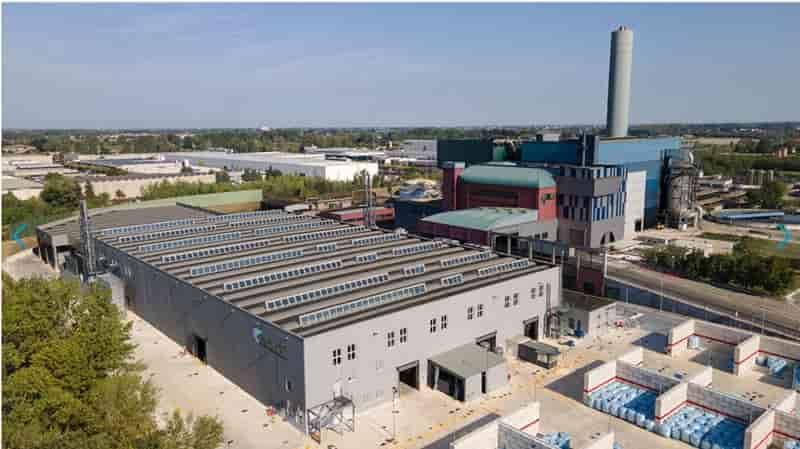
The global push toward sustainability has reached a major milestone with the advancement of textile-to-textile recycling. A semi-industrial facility in Japan has successfully transformed European textile waste into high-quality recycled polyester, proving that circular production is becoming a scalable reality.
This achievement represents a turning point for the textile industry, where waste has long been a growing concern. By demonstrating that textile-to-textile recycling can operate efficiently under industrial conditions, the project sets a strong precedent for future adoption worldwide.
How the Process Works
The breakthrough relies on the Rewind PET technology, developed through collaboration between JEPLAN, Axens, and IFP Energies nouvelles. Textile waste was collected and pre-processed in France by Nouvelles Fibres Textile and Mapea.
The process converts polyester-rich waste into BHET, a core monomer used to produce new polyester fibers. This means old garments are no longer the end of the lifecycle but instead become raw materials for new textiles.
The facility processes several tens of tonnes of waste during testing and is designed to handle around 1000 tonnes annually. This scale confirms that textile-to-textile recycling is not just experimental but commercially viable.
Why Textile-to-Textile Recycling Matters
Textile waste is increasing rapidly across the globe, especially in regions like Europe. Yet less than 1 percent of discarded textiles are currently recycled into new garments. This gap highlights the urgent need for scalable solutions like textile-to-textile recycling.
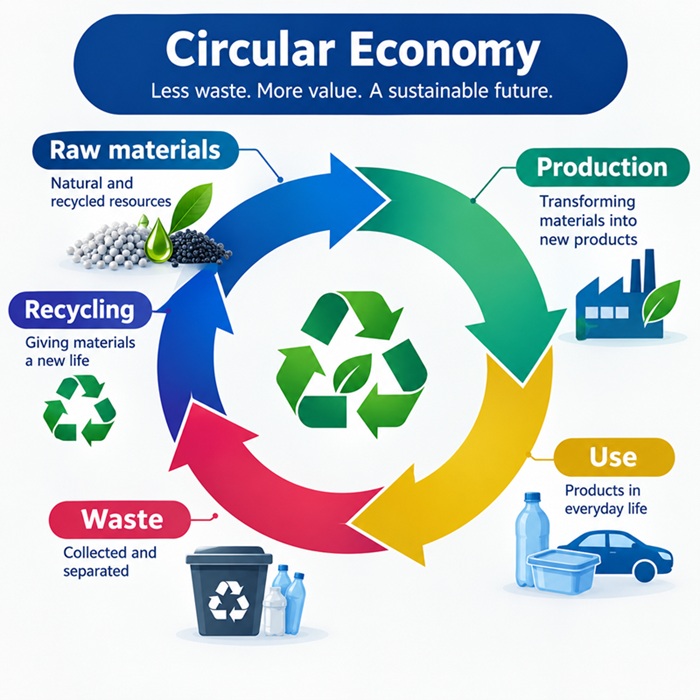
By turning waste into valuable raw materials, this process supports a circular economy where resources are reused instead of discarded. It reduces landfill pressure and limits environmental damage caused by textile disposal.
High-Quality Output for Multiple Uses
One of the most important outcomes of this innovation is the quality of the recycled polyester. The material produced through textile-to-textile recycling meets performance standards required for various applications.
These include:
- Sportswear demanding durability and flexibility
- Home textiles such as curtains and upholstery
- Premium textile segments where quality is critical
This versatility proves that recycled materials can compete with virgin polyester, removing one of the biggest barriers to adoption.
Expanding Proven Technology
The Rewind PET process is not entirely new. It has already been used successfully in recycling PET packaging, including food-grade materials. However, textile waste presents additional challenges such as mixed fibers and contamination.
By extending this technology to textiles, the partners have shown that even complex waste streams can be managed effectively. This makes textile-to-textile recycling a more realistic solution for the industry at large.
Enabling Closed-Loop Production
A key advantage of textile-to-textile recycling is its ability to support closed-loop systems. Manufacturers can reuse recycled monomers instead of relying on fossil-based resources, all while maintaining their existing production infrastructure.
This reduces the need for expensive upgrades and allows companies to transition more easily toward sustainable practices. It also helps stabilize raw material costs, which are often subject to volatility in petrochemical markets.
Global Opportunities for Adoption
With Axens holding exclusive licensing rights, the technology is positioned for global expansion. Textile manufacturers and recyclers can adopt textile-to-textile recycling systems locally or regionally, reducing transportation emissions and improving efficiency.
This opens the door to a decentralized recycling network, where waste is processed closer to its source. Such systems are essential for scaling circular textiles globally.
Environmental and Economic Benefits
The benefits of textile-to-textile recycling extend beyond waste reduction. The process helps lower dependence on virgin petrochemical inputs, contributing to reduced carbon emissions.
Additionally, it creates a more stable supply chain for raw materials. As sustainability regulations tighten, especially in Europe, solutions like this will become increasingly valuable for companies seeking compliance and competitive advantage.
Industry Impact and Future Outlook
Experts consider this development a critical step forward. The ability to scale textile-to-textile recycling efficiently addresses one of the industry’s biggest challenges: turning sustainability goals into actionable systems.
The successful demonstration confirms that combining scientific innovation with industrial engineering can deliver real-world results. It signals a shift from concept to implementation, where circular textiles are no longer theoretical but operational.
The Path Ahead for Circular Textiles
As brands accelerate their sustainability commitments, textile-to-textile recycling will play a central role in reshaping the global market. The ability to convert waste into high-quality materials creates a direct and sustainable production loop.
This innovation highlights a future where textile waste is no longer a problem but a resource. With continued investment and adoption, textile-to-textile recycling could become the standard for the industry, driving both environmental and economic progress.
Textile Recycling Breakthrough Industrial Validation Success
More…