Oil Price Holds Strong Above $100 Amid Global Tensions
Oil Price Holds Strong Above $100 Amid Global Tensions
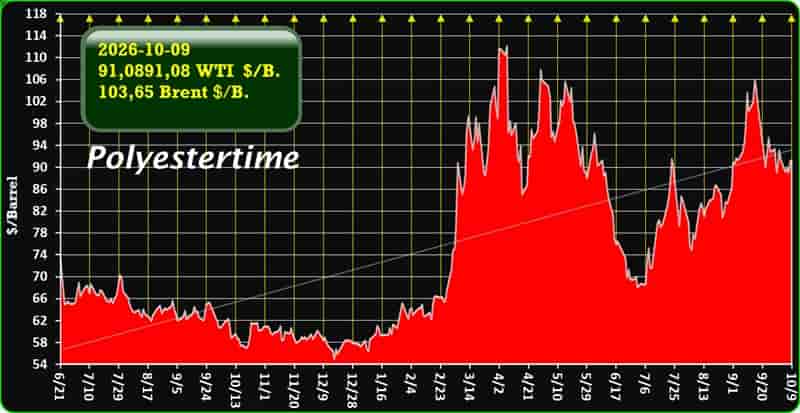
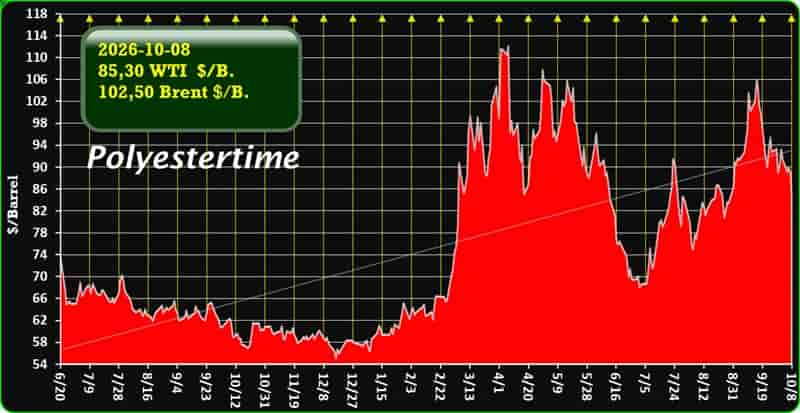
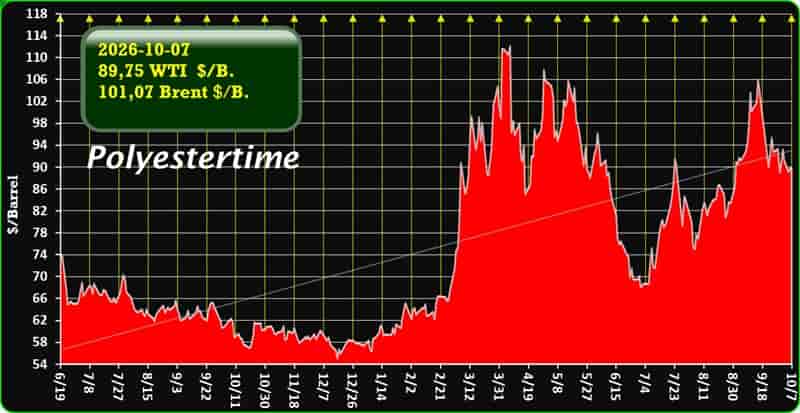
The oil price continues to trade at elevated levels as of April 29, 2026, with Brent crude fluctuating between $100 and $110 per barrel and WTI crude hovering around $95 to $105. This sustained strength reflects a complex mix of supply constraints, geopolitical uncertainty, and cautious optimism about global demand.
For investors and policymakers alike, the current crude price environment signals both resilience and fragility in global energy markets.
Current Oil Price Snapshot
| Benchmark | Price Range (USD/barrel) | Trend Direction |
|---|---|---|
| Brent Crude | 100 – 110 | Slightly bullish |
| WTI Crude | 95 – 105 | Stable to bullish |
Brent remains the global benchmark, supported by tighter international supply, while WTI reflects similar momentum driven by U.S. market dynamics. The oil price has repeatedly tested the $100 level, indicating strong psychological and technical support.
Key Drivers Behind Today’s Oil Price
1. OPEC+ Supply Discipline
The role of OPEC+ remains central. The group has maintained disciplined output levels, limiting supply growth despite rising prices.
Recent speculation about internal disagreements—similar to past tensions involving the UAE—has added volatility, but no major policy shift has materialized. This reinforces market confidence that supply will remain controlled, supporting the crude price.
2. Geopolitical Uncertainty
Geopolitical developments continue to underpin the oil price. Ongoing tensions in key producing regions, including parts of the Middle East and Eastern Europe, have heightened concerns over potential supply disruptions.
Even minor escalations can trigger sharp price reactions, as traders factor in risk premiums. This explains why the oil price has struggled to fall significantly below current levels.
3. Global Demand Outlook
Demand remains relatively strong, particularly in emerging economies. While growth in developed markets has slowed, Asia continues to drive consumption.
However, mixed economic data—especially from the U.S. and Europe—has introduced uncertainty. Slower manufacturing activity and cautious consumer spending could limit further upside in the crude price.
4. U.S. Inventory and Production Trends
In the United States, inventory levels and shale production are key variables for WTI.
- Stable or declining inventories tend to support the oil price
- Increased shale output can cap gains
Currently, production growth has not been strong enough to offset global supply constraints, keeping the crude price elevated.
Investor Sentiment and Market Behavior
Investor sentiment around the crude price is cautiously bullish. Traders are balancing two competing narratives:
- Bullish factors: tight supply, geopolitical risks, OPEC+ discipline
- Bearish factors: economic slowdown risks, potential demand weakness
This has resulted in a range-bound but elevated oil price environment, with frequent short-term spikes followed by profit-taking.
The inability of prices to sustain moves significantly above $110 suggests resistance at higher levels, while strong support near $95–100 reflects underlying demand strength.
Oil Price Technical Perspective
From a market structure standpoint, the crude price is consolidating within a well-defined range:
- Support: $95 (WTI), $100 (Brent)
- Resistance: $105 (WTI), $110 (Brent)
This range indicates a period of equilibrium, where neither bulls nor bears have full control.
Short-Term Outlook for Oil Price
Looking ahead, the crude price is likely to remain volatile but supported in the short term. Key scenarios include:
Bullish Case
- Further geopolitical escalation
- Continued OPEC+ supply restraint
- Stronger-than-expected demand
Bearish Case
- Global economic slowdown
- Rising U.S. production
- Easing geopolitical tensions
Overall, the most probable scenario is continued range-bound trading, with the crude price staying near current levels unless a major catalyst emerges.
Implications for the Global Economy
The current oil price environment has wide-ranging implications:
- Inflation: Elevated energy costs may keep inflation persistent
- Central Banks: Monetary policy could remain cautious
- Consumers: Higher fuel prices may reduce spending power
- Energy Sector: Strong prices support investment and profitability
For energy markets, the sustained crude price strength reinforces the importance of supply security and diversification.
Oil price surge intensifies as Iran tensions persist
More…