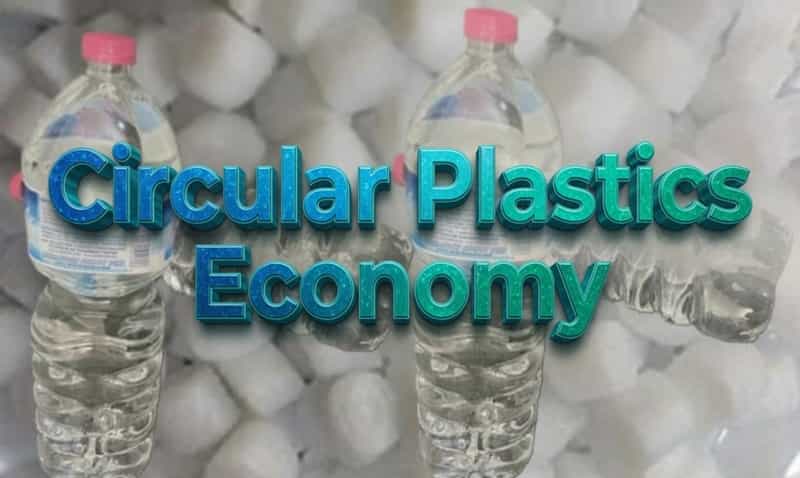
Circular Plastics Economy: How PCR, Reuse and Smarter Design Are Reshaping Packaging
Circular Plastics Economy: How PCR, Reuse and Smarter Design Are Reshaping Packaging
The plastics industry is under growing pressure to prove that circularity is more than a sustainability slogan.
For packaging producers, consumer goods companies and recyclers, the challenge is now highly practical: reduce virgin plastic, increase the quality and availability of post-consumer recycled plastic, design packaging that can actually be recycled, and build systems that keep materials in circulation for longer.
Recent developments show that the circular plastics economy is moving in two directions at once. On one side, global brands are increasing recycled content and redesigning packaging. On the other, regulators, environmental groups and recycling specialists are asking tougher questions about what “circular” really means.
Why PCR Plastic Is Becoming Central to Packaging Strategy
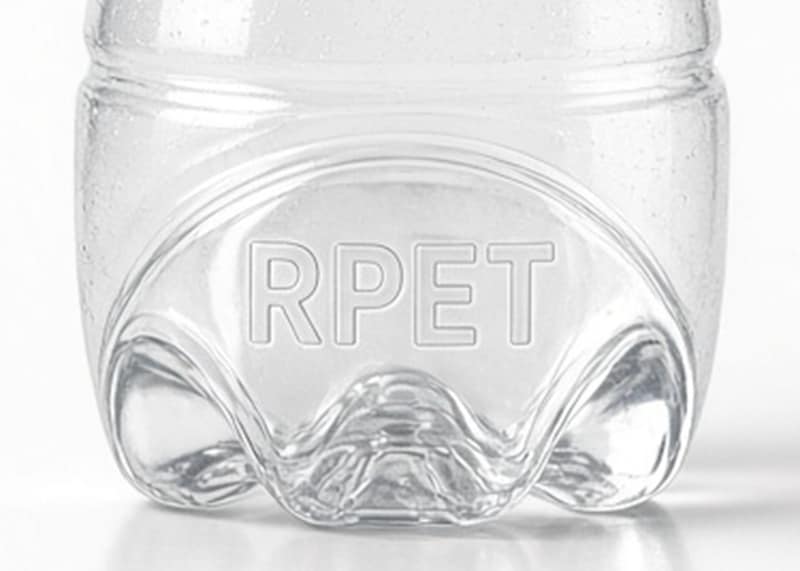
Post-consumer recycled plastic, usually called PCR, is becoming one of the most visible tools for reducing reliance on virgin fossil-based plastic.
Unilever has become a useful case study. The company says it reached 25% post-consumer recycled plastic in its packaging by 2025, supported by packaging redesign, supplier collaboration and material testing. The company also says it collected and processed more plastic packaging than it sold.
This matters because PCR can directly reduce demand for virgin plastic when it replaces new resin in equivalent applications. But the transition is not simple. PCR is not a plug-and-play substitute for virgin plastic.
The quality of recycled resin can vary depending on collection, sorting, cleaning and reprocessing. That variability can affect colour, transparency, smell, mechanical strength, filling-line performance and consumer perception.
For packaging used in food, personal care or detergents, even small changes in resin quality can create major technical issues. This is why leading brand owners are investing not only in recycled content, but also in testing, supplier qualification and digital modelling. circular plastics economy
Circularity Starts With Design, Not Waste Management
A circular plastics economy does not begin at the recycling plant. It begins at the design stage.
Packaging that cannot be sorted, cleaned or reprocessed at scale is unlikely to become high-quality recyclate. This is especially important for flexible packaging, multilayer materials, black plastics, labels, adhesives, coatings and mixed-material components.
Design-for-recycling guidance, such as the APR Design Guide, is increasingly important because it links packaging choices to real recycling infrastructure. A package may look recyclable in theory, but if optical sorters cannot identify it, or if labels and additives contaminate the stream, the material may lose value or be rejected.
This is the core shift: packaging should not be designed only for shelf appeal, logistics and cost. It must also be designed for its next life.
The Role of Reuse and Refill Systems
Recycling is important, but it is not the whole circular economy.
Reuse and refill models can reduce the need for single-use packaging before waste is created. This is why refillable containers, return systems, concentrated products and reusable transport packaging are receiving more attention.
The key point is that circularity should preserve material value. If plastic is used once and then downcycled into a lower-value product that cannot be recycled again, the loop is weak. If packaging is reused many times or recycled back into equivalent packaging, the circular value is much stronger.
For companies, this requires a different mindset. Waste should be treated as a design failure, not only as a disposal problem.
Chemical Recycling: Opportunity, But Not a Shortcut
Mechanical recycling remains essential, especially for clear and well-sorted PET, HDPE and PP streams. But some plastic waste is difficult to recycle mechanically, particularly mixed, contaminated or flexible packaging.
This is where chemical recycling and advanced recycling technologies are attracting investment.
The recent launch of Nerea by Alterra, Technip Energies and Neste is an example of the industrial push to standardize chemical recycling solutions. The idea is to move away from one-off project engineering and toward modular systems that could accelerate deployment.
However, chemical recycling should not be treated as a universal answer. Its environmental value depends on energy use, yields, emissions, feedstock quality, output quality and whether the resulting material genuinely replaces virgin fossil-based resin.
For a circular plastics economy, the priority should remain clear: reduce unnecessary plastic, design for reuse and recyclability, maximize high-quality mechanical recycling where possible, and use advanced recycling only where it delivers measurable circular value.
EPR Rules Are Changing the Economics of Packaging
Extended Producer Responsibility, or EPR, is becoming one of the strongest policy drivers behind circular packaging.
Under EPR models, producers carry more financial and operational responsibility for the packaging they place on the market. This can create incentives to reduce packaging weight, increase recyclability, improve recycled content and support collection infrastructure.
The debate around California’s plastics packaging law shows how politically and economically sensitive this shift has become. Supporters argue that producer responsibility moves waste costs away from taxpayers and encourages better design. Critics argue that such rules can create cost burdens and interstate regulatory conflict.
For packaging producers and brand owners, the message is clear: circularity is no longer only a voluntary sustainability target. It is becoming a compliance, cost and market-access issue.
The Quality Challenge: Why Better Recycling Infrastructure Matters
A major barrier to PCR adoption is supply quality.
Brands need recycled resin with consistent performance. Recyclers need cleaner input streams. Municipal systems need better collection and sorting. Consumers need clearer instructions. Policymakers need standards that reward real recyclability, not vague environmental claims.
Without this infrastructure, companies may struggle to source enough high-quality PCR at a predictable cost.
This is why partnerships across the value chain are becoming essential. Collectors, aggregators, recyclers, converters, packaging designers and brand owners all influence whether plastic waste becomes valuable feedstock or remains a disposal problem.
Avoiding Greenwashing in the Circular Plastics Economy
The term “circular economy” can be misused.
A credible circular plastics strategy should show measurable progress in several areas:
Reduced virgin plastic use
Higher recycled content where technically and legally suitable
Packaging designed for real-world recyclability
Greater use of reuse and refill models
Transparent claims about recycling and recycled content
Investment in collection, sorting and reprocessing systems
Clear evidence that recycled material replaces virgin material
Circularity should not become a label applied to any waste-management activity. It should describe a system where materials retain value and environmental impact is reduced.
What Companies Should Do Next
Companies aiming to build a circular plastics economy should focus on practical actions.
First, audit packaging portfolios to identify unnecessary plastic, hard-to-recycle formats and opportunities for lightweighting.
Second, use design-for-recycling standards early in the packaging development process.
Third, build long-term partnerships with recyclers and PCR suppliers to improve resin consistency.
Fourth, test recycled materials under real production and consumer-use conditions.
Fifth, prepare for EPR and recycled-content regulation by improving data quality and packaging traceability.
Finally, communicate carefully. Claims around recycled content, recyclability and circularity must be specific, verifiable and understandable.
Conclusion: Circular Plastics Need Systems, Not Slogans
The circular plastics economy is not a single technology or a single corporate target. It is a system change involving material science, packaging design, recycling infrastructure, regulation, consumer behaviour and market incentives.
PCR plastic is an important part of that transition, but it only works when supported by high-quality collection, sorting and processing. Reuse systems can reduce pressure on recycling. Smarter design can prevent packaging from becoming waste in the first place. EPR rules can make circularity economically unavoidable.
The companies that succeed will be those that treat plastic waste as a valuable feedstock, design packaging for its next life, and prove their progress with measurable reductions in virgin plastic use.
For the plastics and packaging industries, the direction is clear: circularity is becoming a business requirement, not just a sustainability ambition.
Circular Plastics Recycling: 6 Strategies to Revitalize Europe’s Recycling Market
More…