India Plastic Recycling Takes Centre Stage as GCPRS 2026 Comes to New Delhi
India Plastic Recycling Takes Centre Stage as GCPRS 2026 Comes to New Delhi
India’s plastics recycling sector is moving into a decisive phase. With demand for recycled materials rising, regulatory pressure increasing, and brand owners looking for more reliable circular supply chains, the country is preparing to host GCPRS 2026, one of Asia’s most important platforms for plastic recycling and sustainability.
The 3rd Global Conclave on Plastics Recycling and Sustainability is scheduled to take place from 2 to 5 July 2026 at Bharat Mandapam in New Delhi. The event is expected to bring together recyclers, technology suppliers, plastics processors, policymakers, sustainability experts, and major users of recycled materials.
For India, the timing is significant. The domestic plastic recycling industry is already estimated at around ₹30,000 crore and is projected to expand strongly over the next decade. This growth reflects both the scale of India’s plastic waste challenge and the opportunity to build a more formal, higher-quality recycling economy.
Why GCPRS 2026 matters for India plastic recycling
India has one of the world’s largest plastics markets, but recycling capacity, quality standards, traceability, and collection systems remain uneven. GCPRS 2026 is designed to address these gaps by creating a common meeting point for the full plastics value chain.
The event will focus on practical solutions rather than only policy discussion. Key themes include plastic waste collection, segregation, mechanical recycling, chemical recycling, waste-to-energy technologies, recycled-content demand, and compliance with Extended Producer Responsibility rules.
This makes the event relevant not only for recyclers, but also for packaging producers, FMCG companies, compounders, machinery suppliers, raw material traders, municipalities, start-ups, and investors. India plastic recycling
A platform for circular economy partnerships
One of the central goals of GCPRS 2026 is to strengthen collaboration between recyclers and end users of recycled plastics. In many markets, the biggest challenge is not only collecting plastic waste, but converting it into consistent, high-quality recyclate that can be used in demanding applications.
The planned Recyclates Marketplace is particularly important in this context. By connecting recyclers directly with brand owners and user industries, the event aims to improve commercial access for recycled materials and support more transparent supply chains.
For companies looking to reduce virgin plastic dependency, this type of marketplace can help identify reliable suppliers, understand material availability, and evaluate quality requirements.
Technology will shape the next phase of recycling
The future of India plastic recycling will depend heavily on technology. Manual sorting and informal collection systems still play a major role, but the next stage of growth requires better automation, cleaner feedstock, stronger traceability, and higher processing efficiency.
At GCPRS 2026, technology showcases are expected to cover areas such as automated sorting, washing lines, extrusion systems, compounding, chemical recycling, and digital tools for waste management.
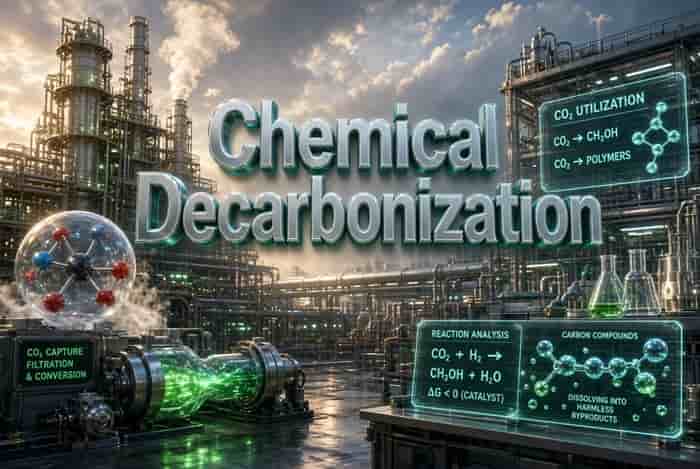
Mechanical recycling will remain central because it is widely used and commercially established. At the same time, chemical recycling is gaining attention for more difficult plastic waste streams, especially where conventional recycling faces technical or economic limits.
The challenge for the sector will be to match the right technology with the right waste stream, while keeping costs, emissions, and material quality under control.
EPR and compliance move into the spotlight
Extended Producer Responsibility is becoming a major driver of India’s recycling market. As companies face stronger obligations for plastic waste management, the need for verified recycling, documentation, and traceable material flows is increasing.
GCPRS 2026 is expected to include an Environment Desk to support companies with EPR and regulatory compliance. This is important because many smaller businesses and new entrants still need guidance on documentation, reporting, and practical implementation.
A more transparent compliance system can also help formal recyclers compete more effectively against informal or poorly documented channels.
Start-ups and innovation gain visibility
Another important element of the event is the Science & Technology Cluster, which will highlight start-ups and emerging solutions in the recycling ecosystem.
Innovation in this sector is not limited to recycling machinery. It also includes material identification, AI-assisted sorting, reverse logistics, digital marketplaces, recycled-content verification, alternative materials, and data platforms for circular economy reporting.
For India, start-ups could play a key role in bridging the gap between informal waste collection networks and formal industrial recycling systems.
Toward a zero-waste event model
GCPRS 2026 is also being positioned as a zero-waste initiative. This aligns with broader sustainability objectives in India, including cleaner cities, improved waste management, and circular economy development.
For an event focused on plastics recycling, this approach is more than symbolic. It creates an opportunity to demonstrate practical waste segregation, responsible event management, recycled material use, and measurable sustainability outcomes.
If implemented effectively, the zero-waste model could become a benchmark for future industrial exhibitions in India and across Asia.
What the industry will be watching
Several questions will shape the relevance of GCPRS 2026 for the plastics and recycling industries.
Can India scale high-quality recycled plastic supply fast enough to meet industrial demand?
Will recyclers gain better access to finance, technology, and long-term buyers?
Can EPR systems become more transparent and easier to verify?
Will chemical recycling find commercially viable applications in India?
Can the country integrate informal collection networks into a more formal circular economy?
The answers will matter not only for India, but also for global companies that rely on Indian manufacturing, packaging, and polymer supply chains.
India’s recycling opportunity is entering a new stage
GCPRS 2026 reflects a broader shift in India plastic recycling. The sector is moving from fragmented waste handling toward a more structured circular economy model based on technology, compliance, quality, and collaboration.
The event in New Delhi will not solve every challenge, but it can help accelerate the transition by bringing the right stakeholders into the same space.
For recyclers, it offers visibility. For brand owners, it offers supply-chain access. For technology providers, it offers a fast-growing market. For policymakers, it offers a forum to align industrial growth with environmental goals.
As India works toward long-term sustainability and circular economy targets, GCPRS 2026 could become a key milestone in defining the next decade of plastic recycling growth.
High-Quality Plastic Recycling: Site Zero Shows Europe’s Circular Future
More…