PepsiCo Launches Gatorade Bottles Made with Advanced Recycled PET from Eastman
PepsiCo Launches Gatorade Bottles Made from Hard-to-Recycle Plastic Waste Using Advanced PET Recycling
Advanced PET recycling
PepsiCo Expands Circular Packaging Strategy with Advanced PET Recycling Technology
PepsiCo Brings Advanced Recycled PET to Gatorade Bottles
PepsiCo has introduced the first Gatorade bottles made with Eastman’s PET Renew resin in the United States, marking a significant step in the company’s efforts to increase the use of recycled materials in its packaging portfolio.
The initiative follows a multi-year supply agreement between PepsiCo and Eastman, under which Eastman will provide PET Renew resin produced through an advanced recycling process. While the companies have not disclosed supply volumes, the partnership highlights growing industry interest in technologies capable of recovering materials that traditional recycling systems often cannot process.
What Is PET Renew?
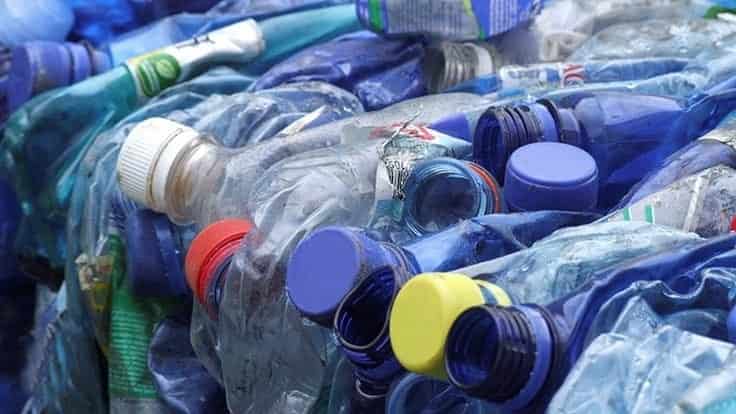
PET Renew is a recycled resin created from polyester-based waste streams that are typically difficult or impossible to recycle mechanically.
These materials include:
- End-of-life clothing and textiles
- Carpet fibers
- Plastic films
- Colored and opaque PET containers
- Mixed polyester waste
Instead of being sent to landfills or incineration facilities, these materials can be transformed into new, high-quality PET suitable for food and beverage packaging applications.
How Advanced Recycling Works
Eastman’s technology relies on a molecular recycling process known as methanolysis.
During the process, polyester waste is broken down into its original molecular building blocks. These components are then purified and used to create new PET resin with properties comparable to virgin material.
Unlike conventional mechanical recycling, which can be limited by contamination, color, or material degradation, advanced recycling can process a broader range of polyester waste streams while maintaining high material quality.
This approach allows manufacturers to recover value from materials that would otherwise be excluded from existing recycling systems.
Complementing Traditional Recycling
Industry experts increasingly view advanced recycling as a complementary solution rather than a replacement for mechanical recycling.
Mechanical recycling remains the preferred option for clean and easily sortable PET waste. However, large volumes of plastic packaging and polyester products cannot currently be recycled through traditional methods due to technical limitations.
By addressing these hard-to-recycle materials, advanced recycling technologies can help expand the overall recycling ecosystem and support higher circularity rates across the packaging sector.
According to PepsiCo, the goal is not to replace existing recycling infrastructure but to increase the number of materials that can be returned to productive use.
Turning Waste into Food-Grade Packaging
One of the most notable aspects of the project is the diversity of feedstocks used to produce PET Renew.
Materials such as discarded textiles, old carpets, plastic films, and colored plastic containers can be converted into food-contact-approved packaging materials. This creates a pathway for waste streams that have historically had limited recycling options. advanced PET recycling
The resulting resin can be used to manufacture beverage bottles that meet demanding quality and safety requirements while reducing dependence on virgin fossil-based resources.
Eastman Expands Recycling Capacity
To support growing demand for advanced recycled materials, Eastman continues to invest in large-scale recycling infrastructure.
Its molecular recycling facility in Kingsport, Tennessee, has been operating commercially for approximately two years and serves as a key production hub for PET Renew resin.
The company has also announced plans for additional facilities in France and Texas, aimed at increasing processing capacity and expanding access to advanced recycling technologies in major markets.
These investments reflect broader industry expectations that advanced recycling will play an increasingly important role in future circular economy strategies.
Growing Demand for Circular Packaging Solutions
Consumer brands worldwide are under increasing pressure to reduce packaging waste, improve recycled content usage, and meet ambitious sustainability targets.
As regulatory requirements evolve and demand for recycled materials continues to grow, technologies capable of recovering previously unrecyclable waste are attracting greater attention from manufacturers and policymakers alike.
The PepsiCo-Eastman collaboration demonstrates how advanced recycling can contribute to creating new sources of recycled content while supporting the transition toward more circular packaging systems.
Challenges Remain
Despite its potential, advanced recycling is not considered a standalone solution to the global plastic waste challenge.
Industry stakeholders continue to emphasize the importance of improving collection systems, strengthening sorting infrastructure, increasing consumer participation in recycling programs, and designing packaging for recyclability from the outset.
A truly circular economy will require multiple technologies working together, including reuse systems, mechanical recycling, advanced recycling, and material innovation.
Outlook
The introduction of Gatorade bottles made with PET Renew resin represents an important milestone in the evolution of sustainable packaging.
By transforming difficult-to-recycle polyester waste into high-quality food-grade PET, PepsiCo and Eastman are demonstrating how advanced recycling technologies can help unlock new sources of recycled material and support long-term circularity goals.
As investment in recycling infrastructure continues to grow, projects like this could play an increasingly significant role in reducing waste, conserving resources, and reshaping the future of packaging.
PET Recycling Market Crisis Exposes Gap Between Sustainability Goals and Economic Reality
More…