STADLER Expands in Japan as Recycling and Material Recovery Gain Momentum
STADLER Japan recycling market
STADLER Expands in Japan as Recycling and Material Recovery Gain Momentum
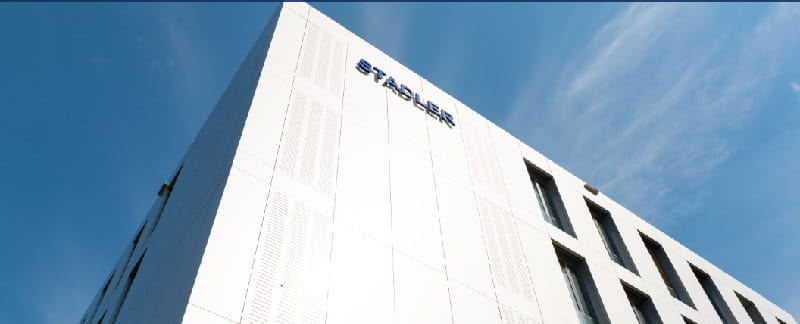
Germany-based STADLER is strengthening its footprint in Asia with the launch of a new office in Japan, a move that reflects the country’s growing interest in advanced recycling and resource recovery technologies.
The expansion arrives at a pivotal moment for the Japanese waste management sector. While Japan has long relied on Waste-to-Energy (WtE) infrastructure due to limited landfill capacity and high urban density, increasing attention is now being directed toward recovering valuable materials before waste reaches incineration facilities. Recent developments indicate that recycling operators and local authorities are looking for solutions that can improve material quality, increase recycling rates, and support circular economy goals.
Key Takeaways
- STADLER has established a dedicated Japanese subsidiary to support local customers and partners.
- Japan is placing greater emphasis on recovering recyclable materials before incineration.
- Demand is increasing for advanced sorting systems capable of handling plastics, packaging waste, and municipal solid waste.
- Regulatory initiatives are encouraging higher levels of plastic resource circulation and recycling efficiency.
- STADLER aims to bring European expertise in sorting technology to support Japan’s evolving recycling market.
Why Japan Is Becoming a Strategic Recycling Market
Japan operates one of the world’s most sophisticated waste management systems. For decades, the country has relied heavily on thermal treatment and energy recovery, supported by an extensive network of incineration facilities.
However, policy priorities are gradually evolving. National initiatives focused on resource circulation and plastics recycling are encouraging municipalities and businesses to maximize material recovery before final treatment. The objective is not only to reduce waste but also to retain valuable resources within the economy for longer periods.
The country’s Plastic Resource Circulation framework promotes recycling, reuse, waste reduction, and improved product design across the entire lifecycle of plastic materials. These measures are helping drive investments in modern sorting and recovery infrastructure. STADLER Japan recycling market
STADLER’s Long-Term Commitment to Japan
The opening of STADLER Japan K.K. is not the company’s first involvement in the country.
STADLER has been active in Japan for more than a decade, supplying equipment and technologies for various recycling applications. Its experience spans PET bottle presorting, packaging waste management, conveyor systems, and more recently, metal recycling projects.
Over the years, the company has built a significant installed base in the Japanese market, demonstrating growing acceptance of automated sorting technologies. The new local office is expected to strengthen customer support, project development, and after-sales services while enabling closer collaboration with industry stakeholders.
Growing Demand for Pre-Incineration Sorting
One of the most significant shifts occurring in Japan’s waste sector is the increasing interest in pre-incineration sorting.
Instead of sending mixed waste directly to energy recovery facilities, operators are exploring ways to extract plastics, metals, and other recyclable materials beforehand. This approach can improve resource efficiency and support national sustainability objectives.
Advanced sorting technologies are becoming increasingly important in this context. Automated systems can identify, separate, and recover valuable materials more accurately than traditional methods, helping operators improve recycling performance while reducing losses.
Opportunities in Plastics and Municipal Waste Recycling
Plastics remain one of the most important focus areas for Japan’s circular economy ambitions.
As regulations become more stringent and recycling targets continue to evolve, facilities are expected to require upgrades that enhance sorting precision and material purity. Technologies capable of processing mixed municipal waste and packaging streams are likely to play an increasingly important role.
For equipment suppliers such as STADLER, this creates opportunities to support infrastructure modernization through automated sorting plants, dry sorting technologies, and integrated recycling solutions that complement existing Waste-to-Energy operations.
Beyond Hardware: Digital Recycling Solutions
The company’s expansion comes alongside broader innovation efforts in the recycling sector.
At IFAT 2026, STADLER highlighted digital tools designed to improve plant performance through real-time operational data and process optimization. The growing integration of digital monitoring, analytics, and artificial intelligence is expected to become a major factor in the future efficiency of recycling facilities worldwide.
As recycling operations become more data-driven, operators are increasingly looking for solutions that not only sort materials effectively but also provide insights that improve plant productivity and resource recovery rates.
What the Expansion Means for the Industry
STADLER’s decision to establish a permanent presence in Japan signals confidence in the country’s long-term recycling potential.
The move reflects a broader trend across the global waste management sector: a shift from disposal-focused systems toward resource recovery and circular economy models. As Japan continues to strengthen its recycling framework and pursue greater material efficiency, demand for advanced sorting technologies is expected to grow.
For recycling operators, municipalities, and industrial waste processors, investments in sorting infrastructure may become a key element in achieving future sustainability and resource circulation goals.
Conclusion
STADLER’s new Japanese subsidiary represents more than a geographic expansion. It highlights the growing importance of material recovery in one of the world’s most advanced waste management markets.
With stronger regulatory support for resource circulation, increasing interest in pre-incineration sorting, and continued investment in recycling infrastructure, Japan is entering a new phase of its circular economy journey. Companies capable of delivering efficient, scalable, and technologically advanced sorting solutions are likely to play a central role in that transformation.
More…