Kurucsai Plastic Advances Recycled PET Extrusion with Gneuss MRS Technology
Recycled PET extrusion
Kurucsai Plastic Advances Recycled PET Extrusion with Gneuss MRS Technology
Hungarian thermoforming specialist Kurucsai Plastic is strengthening its ability to manufacture PET sheet for food packaging through a new extrusion system designed to accommodate a wider range of raw materials while reducing energy-intensive preparation stages.
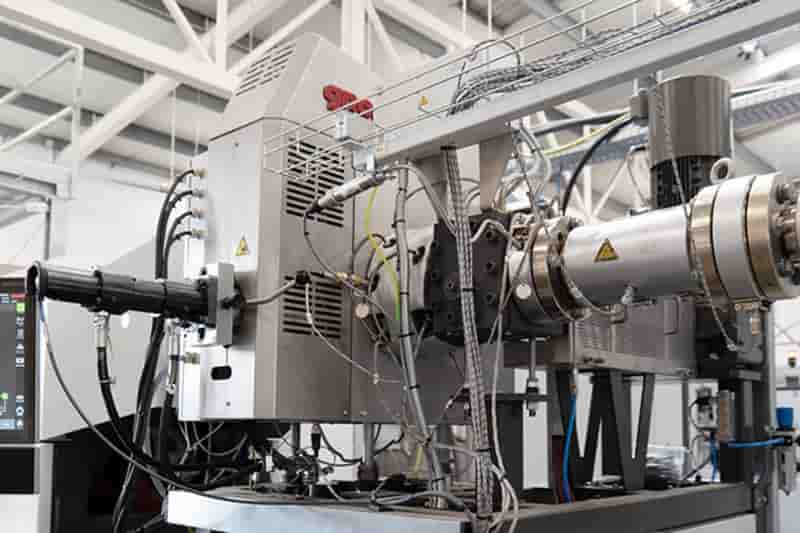
The company has been operating a Gneuss MRS 110 extrusion line since early 2025. The installation represents an important step in Kurucsai Plastic’s transition from polypropylene sheet toward PET-based packaging and, ultimately, greater use of food-grade recycled PET.
Recent industry reporting published on July 13 and July 14, 2026, confirms that the project combines dryerless PET processing, continuous melt filtration and inline sheet production.
Why Kurucsai Plastic moved from PP to PET
Kurucsai Plastic began as part of an agricultural operation producing thermoformed packaging for its own fruit and vegetable products. As the business expanded to serve other food-sector customers, its production requirements became more complex.
The company gradually shifted its sheet production from polypropylene, commonly known as PP, to polyethylene terephthalate, or PET. PET is widely used for transparent food trays and other thermoformed packaging, while established collection and recycling streams can make it suitable for circular packaging applications.
The transition is also intended to give Kurucsai Plastic more freedom when purchasing raw materials. Instead of relying on a single resin stream, the company wants to combine virgin PET, post-consumer bottle flakes and regrind generated during its own production.
This flexibility could help the manufacturer respond to fluctuations in resin availability, recycled-material supply and market prices.
Recycled PET extrusion without conventional pre-drying
Processing PET presents a technical difficulty that does not arise to the same extent with many polyolefins. PET absorbs moisture from the atmosphere, and excessive moisture can degrade the polymer during processing, affecting viscosity and finished-sheet quality.
Conventional PET extrusion lines therefore normally require the material to be crystallised or dried before it enters the extruder. These stages consume energy, require additional equipment and increase the complexity of production.
Kurucsai Plastic selected Gneuss’s Multi Rotation System, or MRS, partly to eliminate that conventional pre-drying stage.
The MRS extruder contains several rotating satellite screws within a larger screw drum. This configuration exposes a much larger melt surface to the vacuum system than a conventional single-screw arrangement, supporting intensive devolatilisation and the removal of moisture and other volatile substances.
According to Gneuss, its MRS sheet technology can process PET without prior crystallisation or drying. The equipment manufacturer advertises potential energy savings of up to 30% for its sheet-line technology, although it has not published a verified percentage specifically attributable to the Kurucsai Plastic installation.
A production capacity of up to 600 kilograms per hour
The MRS 110 line installed at Kurucsai Plastic has a stated PET throughput of up to 600 kilograms per hour.
A gravimetric dosing system accurately combines the selected material streams before extrusion. This allows production teams to adjust the proportions of virgin resin, bottle flakes and internal production scrap according to product specifications and raw-material availability.
After melting and devolatilisation, the PET passes through a Gneuss RSFgenius rotary filtration system. The continuously operating filter removes solid contamination without requiring routine line stoppages for manual screen changes.
Maintaining stable filtration is especially important when recycled feedstocks are involved because the type and concentration of contamination can vary between batches.
The filtered polymer is converted into sheet and transferred directly to the company’s thermoforming equipment. This inline arrangement avoids a separate sheet reheating and handling stage, providing another opportunity to limit energy use. recycled PET extrusion
Preparing for food-grade recycled PET
Kurucsai Plastic’s longer-term objective is to increase the proportion of recycled material used in packaging intended for food applications.
Gneuss states that the extrusion process used for the project has received clearance from the US Food and Drug Administration for recycled PET food-contact applications. The manufacturer has previously received multiple food-contact authorisations for recycling processes built around MRS extrusion technology.
A customer-specific application has also been submitted for assessment by the European Food Safety Authority, according to the project announcement. Kurucsai Plastic and Gneuss expect a decision during 2026.
That approval should not be treated as complete until the relevant EFSA opinion and subsequent European authorisation have been formally published. Until then, the anticipated timetable remains a company projection rather than a confirmed regulatory outcome.
Material flexibility becomes a strategic advantage
The significance of the project extends beyond the installation of a new extrusion line.
Manufacturers using recycled plastics must manage feedstocks that can differ in colour, moisture, viscosity and contamination levels. A production system that accepts several PET streams can reduce dependence on one supplier or one material grade.
Kurucsai Plastic can now adapt its formulations according to the packaging being manufactured and the materials available. Internal edge trim and production scrap can also be returned to the process rather than being treated solely as waste.
For customers, the intended result is a more consistent supply of PET sheet and a clearer route toward packaging with higher recycled content.
The European packaging market is changing
The investment comes as European packaging producers prepare for stricter circularity and recycled-content requirements.
The European Commission recently established a methodology for calculating, verifying and reporting recycled content in certain single-use PET beverage bottles. Although that methodology does not directly govern every thermoformed food tray, it demonstrates the growing importance of traceable recycled content and consistent calculation rules across the packaging market.
Packaging manufacturers will increasingly need to document where recycled material originates, how it is processed and whether it complies with food-contact requirements.
Production capacity alone will therefore not be sufficient. Companies will also require reliable quality controls, traceability systems and regulatory evidence for each approved recycling process.
Operational results reported after the first year
Since entering production at the beginning of 2025, the Gneuss line has reportedly operated successfully under everyday manufacturing conditions.
Kurucsai Plastic identifies three principal benefits from the investment:
-
greater flexibility in selecting and blending PET feedstocks;
-
elimination of conventional energy-intensive material pre-drying;
-
direct inline transfer from sheet extrusion to thermoforming.
Together, these capabilities give the business a technical foundation for increasing recycled content when customer demand, material availability and regulatory authorisations permit it.
The project does not by itself prove that every resulting package is fully circular or has a lower total environmental footprint. Those conclusions would require product-specific data covering material sourcing, energy consumption, transport, recycling rates and end-of-life treatment.
Nevertheless, the installation addresses a practical obstacle in PET recycling: processing variable recycled feedstocks efficiently while maintaining sheet quality suitable for demanding packaging applications.
What the project means for recycled PET extrusion
Kurucsai Plastic’s investment shows how recycled PET extrusion is evolving from a specialised recycling operation into an integrated part of food-packaging production.
By combining dryerless processing, controlled material blending, continuous filtration and inline thermoforming, the company can work with a broader raw-material portfolio without adding a conventional drying system.
The next major milestone will be the outcome of the customer-specific European food-contact approval process. A positive decision would expand the company’s options for supplying packaging containing food-grade recycled PET to European and international customers.
For now, the line gives Kurucsai Plastic greater control over material sourcing and a production platform designed to respond to tightening packaging requirements, changing resin markets and growing demand for verified recycled content.
Key facts
Company: Kurucsai Plastic
Location: Hungary
Application: PET sheet for thermoformed food packaging
Extrusion system: Gneuss MRS 110
Maximum stated throughput: 600 kilograms per hour
Accepted feedstocks: Virgin PET, bottle flakes and internal regrind
Filtration: Gneuss RSFgenius rotary melt-filtration system
Production model: Inline extrusion and thermoforming
US regulatory status: Food-contact clearance reported by Gneuss
European regulatory status: Customer-specific EFSA assessment reported as pending
Focus keyword: recycled PET extrusion
Frequently asked questions
What is recycled PET extrusion?
Recycled PET extrusion is the process of melting and filtering recovered polyethylene terephthalate so that it can be converted into new products such as sheet, film, strapping or pellets.
Why does PET normally need to be dried?
PET absorbs atmospheric moisture. If that moisture remains in the polymer during extrusion, it can reduce molecular weight and viscosity, potentially compromising the performance and appearance of the finished product.
How does MRS technology process PET without pre-drying?
The Multi Rotation System creates a large and rapidly renewed melt surface inside the extruder. When combined with vacuum extraction, this supports the removal of moisture and volatile contamination from the molten PET.
Can Kurucsai Plastic already use recycled PET for all food-contact packaging?
Not automatically. Food-contact use depends on the approved process, the source and quality of the input material, operating conditions and the relevant market’s regulatory requirements. The customer-specific European assessment was still reported as pending at the time of publication.
What is the role of the RSFgenius filter?
The rotary filtration system continuously removes solid contaminants from the PET melt. Continuous operation helps stabilise sheet quality and limits production interruptions when recycled materials are processed.
Global PET Bottle Grade Resin and Recycled PET (rPET) Industry
More…