Unlocking Value: The Complete Guide to Navigating PET Bottle Grade Chip Price Trends
Unlocking Value: The Complete Guide to Navigating PET Bottle Grade Chip Price Trends
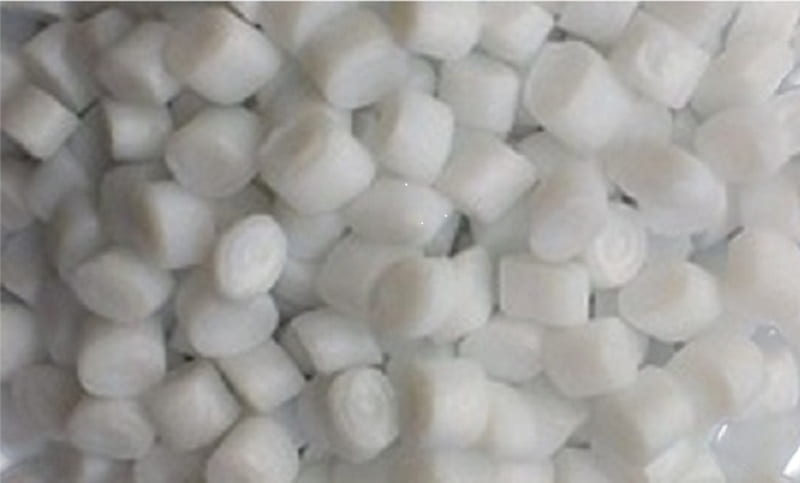
The market for Polyethylene Terephthalate (PET) bottle grade chips remains a vital indicator for the global packaging, beverage, and consumer goods sectors. Because bottle grade resin serves as the primary raw material for beverage bottles, thermoformed containers, and food packaging, changes in the PET bottle grade chip price directly influence manufacturing margins and retail packaging costs across the globe
Global Regional Price Movements and Current Trends
Recent market observations reveal distinct regional divergence in PET bottle grade chip pricing. While demand spikes and geopolitical factors drive price increases in key Western and Asian exporting markets, local oversupply and seasonal slowing have tempered prices in others. PET bottle grade chip price
| Region | Average Price (USD/Kg) | Market Direction | Primary Price Driver |
| North America | $1.51 | Up (+7.1%) | Strong peak beverage demand & regional supply tightness |
| Northeast Asia | $1.14 | Up (+10.7%) | Elevated PTA/MEG feedstock costs & solid export demand |
| Europe | $1.10 | Down (-12.0%) | Elevated inventories & sluggish downstream contract buying |
| Africa | $1.09 | Up (+5.8%) | Increased consumer goods production & freight cost pressures |
| India | $1.08 | Steady (-0.9%) | Balanced domestic supply meeting steady bottling demand |
| Southeast Asia | $0.96 | Down (-4.0%) | Comfortable supply availability & cautious procurement |
(Data source: Regional polymer price updates)
Key Drivers Influencing PET Bottle Grade Chip Prices
1. Upstream Raw Material Volatility
The production cost of virgin PET bottle grade chips is heavily bound to its core chemical feedstocks: Purified Terephthalic Acid (PTA) and Monoethylene Glycol (MEG). Because both feedstocks are crude oil and naphtha derivatives, fluctuations in global energy markets pass directly into resin pricing. Recent spikes in upstream chemical processing costs have forced Asian producers to maintain higher export offers despite varied global demand. PET bottle grade chip price
2. Freight, Energy, and Supply Chain Realities
Energy-intensive manufacturing processes mean high utility costs directly elevate PET processing costs, particularly in European facilities. Furthermore, ongoing maritime trade challenges—including geopolitical risk premiums along major trade routes like the Strait of Hormuz—have kept global logistics and freight rates elevated. Consequently, buyers face localized price premiums even when global resin production is adequate.
3. Downstream Packaging and Beverage Consumption
Seasonal shifts strongly affect the bottle grade segment. The warmer summer months typically usher in peak procurement from bottled water, soft drink, and ready-to-drink beverage manufacturers. In regions like North America, robust beverage sales combined with controlled mill operating rates have tightened localized availability, allowing suppliers to secure price increases. Conversely, where packaging converters operate on cautious, hand-to-mouth procurement, price momentum has softened.
4. The Virgin vs. Recycled PET (rPET) Premium
Sustainability mandates and corporate net-zero commitments continue to shift global demand toward recycled PET (rPET). However, due to collection costs and processing limitations, food-grade rPET pellets frequently trade at a premium compared to virgin bottle grade chips. When rPET prices rise significantly above virgin resin levels, converters often balance their blends, switching back to virgin bottle grade chip to preserve operating margins. PET bottle grade chip price
Strategic Outlook for Buyers and Packaging Converters
Navigating the PET bottle grade market requires proactive risk management strategies. Buyers and packaging converters should consider the following best practices:
-
Monitor Feedstock Trends closely: Tracking crude oil, PTA, and MEG price curves provides an early warning indicator for upcoming PET chip price adjustments.
-
Diversify Supply Routes: Balancing local resin purchases with regional import options helps mitigate sudden freight surcharges or trade disruptions.
-
Optimize Inventory Holding: In volatile regions, maintaining flexible contract volumes prevents overpaying during sudden seasonal dips or getting caught short during peak production cycles.
As global packaging requirements grow and sustainability targets evolve, tracking daily raw material fluctuations remains essential for maintaining a competitive edge in resin procurement. PET bottle grade chip price
More…