US-Iran Oil Prices Explode Past $100: Severe Energy Crisis Threatens Global Markets
US-Iran Oil Prices
US-Iran Military Escalation Pushes Brent Crude Past $100/B as Gulf Risks Mount
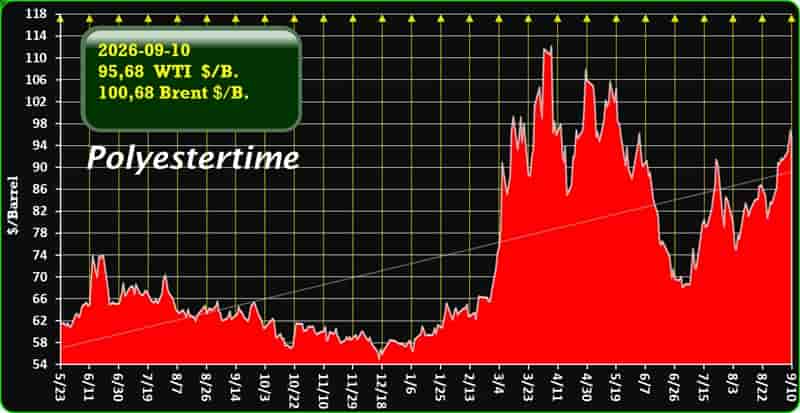
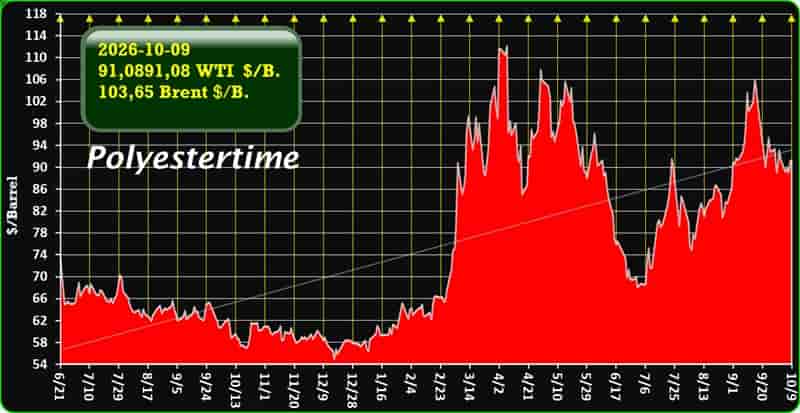
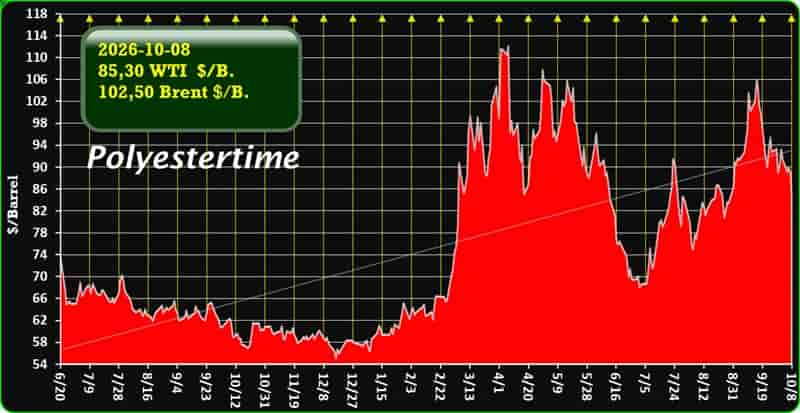
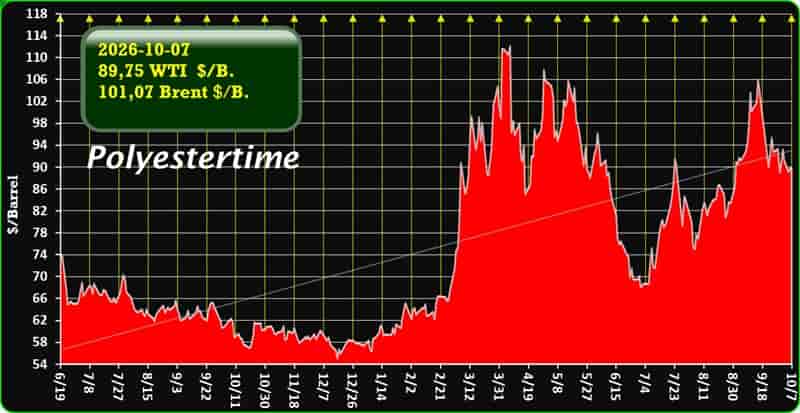
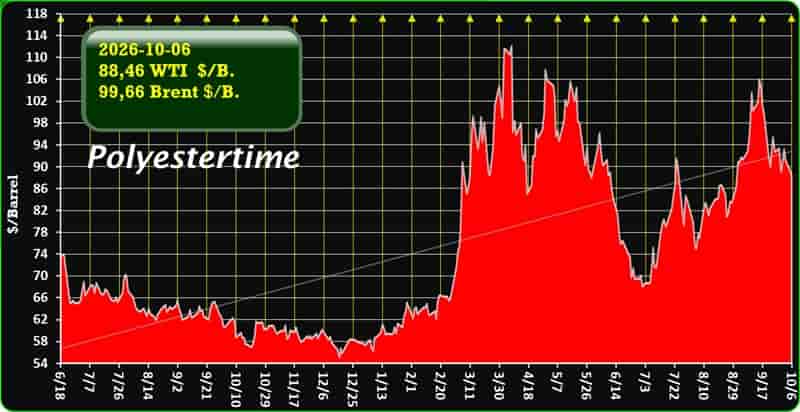
Global energy benchmarks broke key psychological resistance levels this week, propelled by intense direct military strikes between the United States and Iran in the Persian Gulf. Brent crude futures crossed the $100 threshold, trading near $100.50 per barrel, while West Texas Intermediate (WTI) climbed sharply to hover around $96.50 per barrel.
This sudden upward trajectory signals the end of a brief summer period of relative price stability. Commodity traders and global supply chain managers are recalibrating their risk assessments as naval bombardments, tanker sinkings, and proxy attacks threaten to choke off vital crude supplies from the Middle East. US-Iran Oil Prices
What Is Driving the Rapid Surge in US-Iran Oil Prices?
The primary catalyst behind the current price surge is a substantial escalation in maritime engagements between U.S. forces and Iranian units along critical shipping routes.
┌────────────────────────────────────────────────────────────────────────┐
│                        PRIMARY MARKET DRIVERS                          │
├────────────────────────────────────────────────────────────────────────┤
│ 1. US Naval Retaliation    ➔ Destruction of Iranian crude tankers       │
│ 2. IRGC Counterattacks    ➔ Ballistic missile & drone strikes on ships  │
│ 3. Houthi Infrastructure   ➔ Targeted strikes on Red Sea oil facilities │
└────────────────────────────────────────────────────────────────────────┘
The cycle of military engagements escalated after U.S. Central Command confirmed targeted strikes against several Iranian crude oil carriers operating in regional waters. Washington stated the operation was a direct response to ballistic missile strikes launched by Iran’s Islamic Revolutionary Guard Corps (IRGC) targeting American warships operating in the region.
In retaliation, Iranian state forces launched strikes targeting commercial shipping vessels attempting to navigate regional maritime corridors. State media issued explicit warnings that any commercial vessels operating out of ports in neighboring allied countries risk becoming legitimate military targets.
Simultaneously, Iran-aligned Houthi forces expanded their campaign to target energy infrastructure outside the immediate Gulf zone. Drone and missile attacks against key facilities—including Saudi Arabian processing hubs—have raised fears that alternative transit channels, such as Red Sea pipelines, could also face sustained operational outages.
Crisis at the Strait of Hormuz: The Ultimate Supply Bottleneck
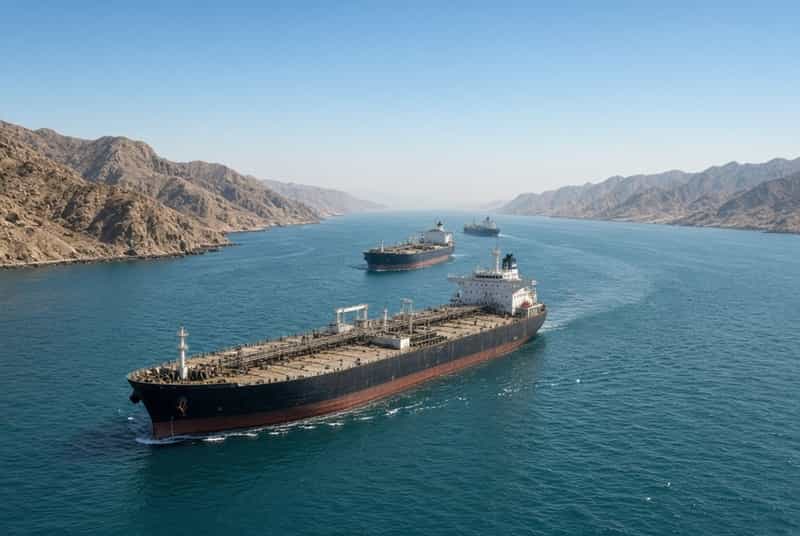
The central systemic concern for global energy security remains the status of the Strait of Hormuz. Historically responsible for transmitting roughly 20% of global petroleum and 25% of liquefied natural gas (LNG) supplies, transit through the narrow waterway has declined significantly under active blockade threats and combat engagements.
| Market / Metric | Pre-Escalation Baseline | Current Market Condition | Impact Projection |
| Brent Crude Benchmark | ~$71.50 / barrel | ~$100.50 / barrel | Target projections extending to $120 |
| WTI Crude Benchmark | ~$68.00 / barrel | ~$96.50 / barrel | Heightened fuel costs across North America |
| Hormuz Daily Transit | ~20 Million bpd | Substantially Restricted | Physical stock draws & refining bottlenecks |
| Shipping Freight Rates | Standard maritime risk | Historic Highs / War Surcharges | Elevated cost-per-barrel transport fees |
Independent satellite tracking shows commercial shipping traffic through the strait has dropped dramatically over recent days. While naval escorts attempt to protect commercial operations, many major shipping lines and independent tanker operators have suspended operations through the region entirely due to uninsurable marine risks.
Physical Crude Markets vs. Paper Futures
Financial energy markets were slow to price in structural long-term deficits throughout the mid-year months, but physical crude markets have reflected underlying tightness for much longer. US-Iran Oil Prices
“The move back above $100 Brent reflects a market that is fundamentally revising its expectations regarding how long the Middle East conflict will disrupt regional supply lines.”
— Commodity Strategy Insights
Refined products like diesel and gasoline have traded at elevated premiums relative to unrefined crude due to global refining capacity constraints and localized regional logistics bottlenecks. With Brent physical contracts clearing above $100 per barrel, European and Asian refiners are bidding up non-Middle Eastern crude grades, pulling inventory directly out of commercial stockpiles in North America and Western Europe. US-Iran Oil Prices
Macroeconomic Consequences: Inflation, Interest Rates, and Growth
The persistent increase in US Iran oil prices poses a direct threat to global macroeconomic stability, complicating central bank monetary policies worldwide.
-
Re-ignited Inflationary Pressures: Energy forms the foundational input cost for transportation, manufacturing, and agricultural production. Sustained $100+ oil prices threaten to reverse recent progress on core inflation figures across major economies.
-
Central Bank Dilemmas: Federal Reserve policymakers and European central bankers face a growing dilemma. Escalating energy costs reduce consumer spending capacity while simultaneously keeping baseline inflation high. This economic environment may force central banks to pause planned interest rate cuts or consider temporary rate hikes to stabilize currency values.
-
Equities Market Volatility: Broad stock indexes have shown increased sensitivity to energy fluctuations. Major market sell-offs have hit transportation, airline, and consumer discretionary sectors, while energy producers and defense defense firms continue to outpace the broader market. US-Iran Oil Prices
Diplomatic Deadlock and Near-Term Market Outlook
Market analysts see limited scope for rapid diplomatic resolution in the near term. Previous cease-fire attempts and regional mediation efforts failed to produce structural agreements regarding maritime access and territorial waters.
Energy research firms warn that if military operations continue to disrupt physical exports from Gulf producers, front-month futures contracts could push toward $120 per barrel before seasonal autumn demand moderates. Until maritime security can be restored through verified diplomatic channels or comprehensive naval guarantees, energy markets will remain vulnerable to geopolitical supply shocks US-Iran Oil Prices
US-Iran War Oil Prices: Brent Hits $99 as Middle East Escalation Drives Energy Market Surge
More…