US-Iran Tensions Push Crude Past $100: Market Dynamics and Global Economic Implications
US-Iran oil price impact
US-Iran Tensions Push Crude Past $100: Market Dynamics and Global Economic Implications
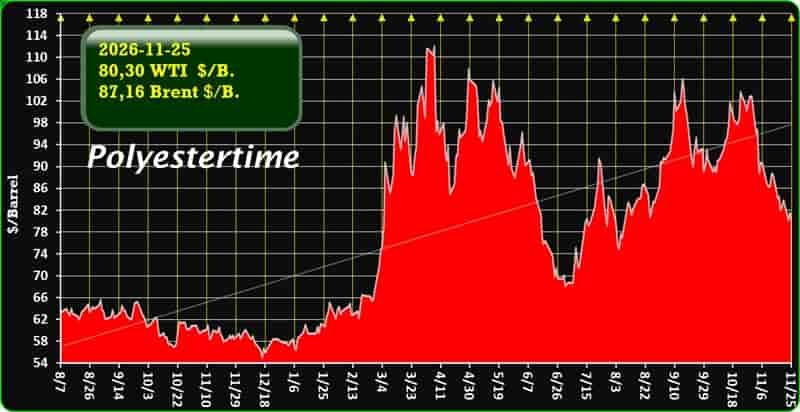
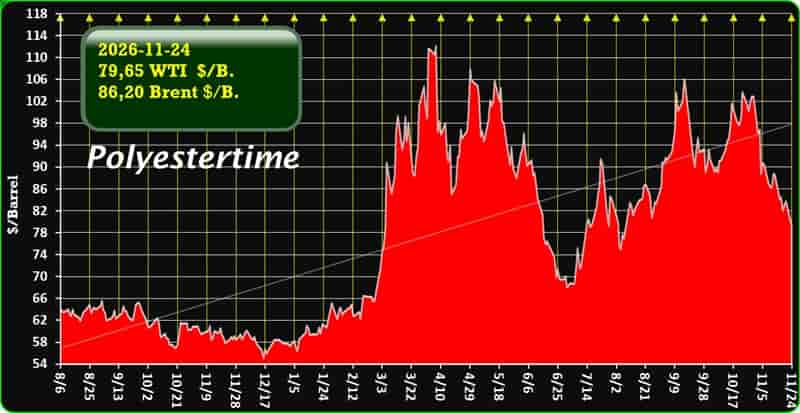
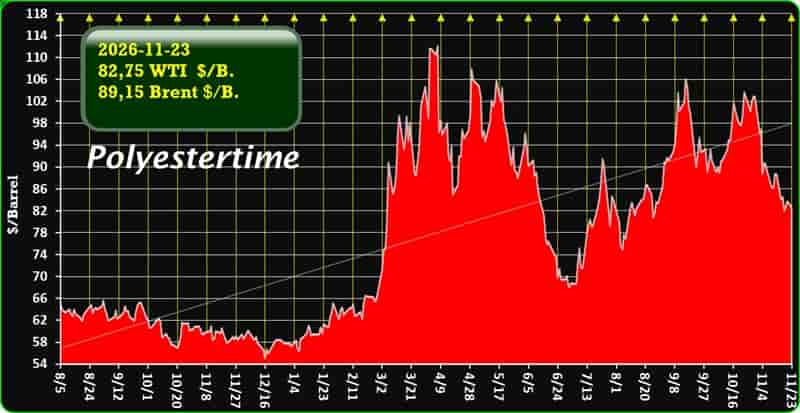
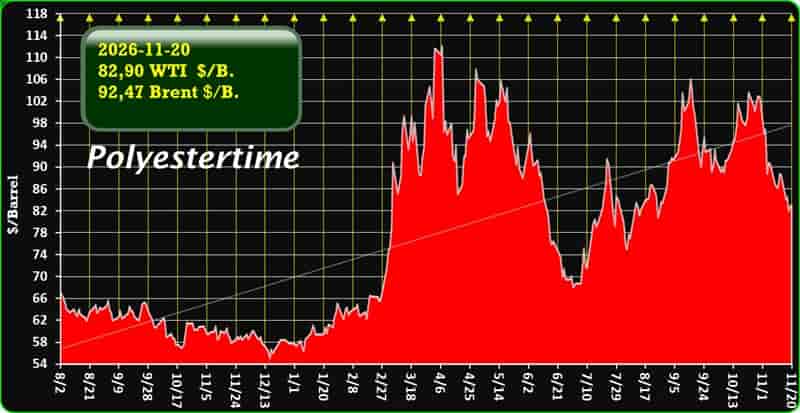
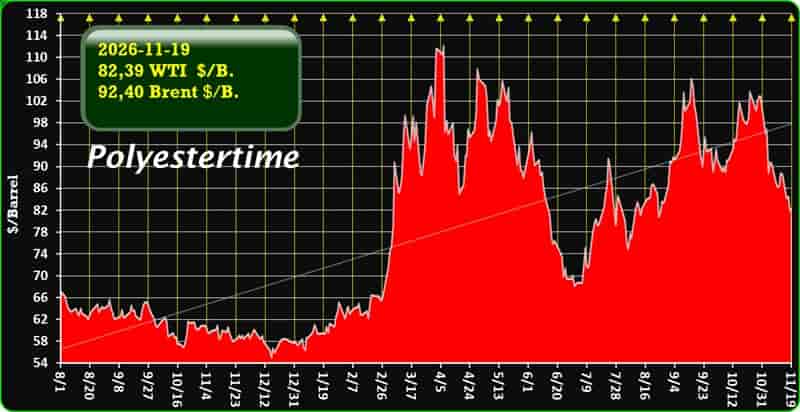
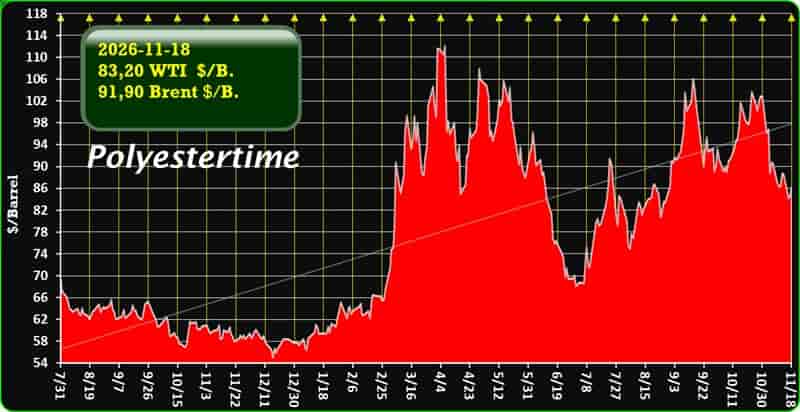
Energy markets worldwide have entered a high-volatility phase as rising geopolitical tensions between the United States and Iran drive benchmark crude prices past critical psychological thresholds. International benchmark Brent crude trades around $104 per barrel, while West Texas Intermediate (WTI), the U.S. standard, hovers near $101 per barrel.
The price surge underscores deep structural anxieties across global supply chains. Financial markets, logistics networks, and central banks are closely calculating the consequences as risk premiums expand across physical commodities.
Escalation in Maritime Trade and Transit Risks
The main driver behind this market movement is the threat to key maritime transit routes in the Middle East. Tanker attacks and military maneuvers in the Strait of Hormuz—the vital maritime passage handling nearly a fifth of global petroleum flows—have significantly slowed commercial throughput.
Maritime insurance operators have responded to the operational risks by raising war-risk insurance premiums for commercial tankers operating in the Persian Gulf and Red Sea corridors. Consequently, cargo operators face steep daily overhead increases, forcing several major fleets to alter navigation routes around Southern Africa.
+-------------------+-----------------+----------------------------------------+
| Benchmark Crude   | Current Price   | Primary Market Drivers                 |
+-------------------+-----------------+----------------------------------------+
| Brent Crude       | ~$104 / barrel  | Hormuz choke point risks & freight costs |
| WTI Crude         | ~$101 / barrel  | Global demand offset & US drawdowns    |
+-------------------+-----------------+----------------------------------------+
As a result, Asian refiners and European energy conglomerates are securing spot-market supplies from non-Gulf producers, including West Africa, South America, and Canada. This reallocation of procurement has raised spot physical premiums worldwide, preventing immediate relief in domestic wholesale prices.
Macroeconomic Fallout: Inflation and Policy Dilemmas
Sustained triple-digit crude prices create complex challenges for global economic stability. Energy serves as a fundamental input across heavy industry, agricultural production, logistics, and consumer services. Persistent elevated oil costs create compounding price inflation across consumer markets.
Geopolitical Conflict -> Maritime Chokepoint Risks -> Higher Freight & Insurance -> $100+ Crude Benchmarks -> Broad Consumer Inflation
Central bank policymakers face difficult choices. Prior efforts to lower baseline interest rates risk stalling if energy-driven inflation feeds into headline consumer prices. Simultaneously, maintaining higher interest rates alongside elevated fuel costs threatens to slow commercial growth in developing and developed import-dependent economies alike.
Strategic Petroleum Reserve Dispatches and Production Shifts
To stabilize energy markets, importing nations are reviewing emergency policy measures. Discussions surrounding coordinated releases from Strategic Petroleum Reserves (SPR) are regaining traction among major energy-consuming countries seeking to cushion consumer markets. US-Iran oil price impact
+-------------------------------+---------------------------------------------------+
| Policy Response Option        | Market Impact Analysis                            |
+-------------------------------+---------------------------------------------------+
| SPR Releases                  | Delivers short-term liquidity; limited long-term  |
| Alternative Sourcing          | Reroutes global trade; drives freight costs up    |
| Production Adjustments        | Depends on spare capacity and regional safety     |
+-------------------------------+---------------------------------------------------+
However, market analysts note that strategic inventory releases offer temporary supply relief rather than a permanent solution. If maritime transit disruptions through primary regional chokepoints persist, emergency inventory buffers may struggle to balance the ongoing physical supply deficit. US-Iran oil price impact
Long-Term Energy Market Scenarios
The forward outlook for global energy prices remains tied to diplomatic, military, and policy developments in the region. Market participants are evaluating two distinct structural scenarios over the coming quarters:
-
Diplomatic De-escalation: A verified ceasefire or safe-transit agreement guaranteeing unhindered passage through international waters would rapidly reduce risk premiums. Under these conditions, Brent crude could drop back toward historical baseline ranges below $90 per barrel as supply routes normalize.
-
Protracted Friction: Continued attacks on maritime logistics corridors could keep Brent above $105/B and WTI firmly above $100/B for an extended period. Prolonged elevated prices would likely accelerate capital investments into renewable energy infrastructure, alternative logistics routes, and domestic production expansion.
+-----------------------+-----------------------+-----------------------------------+
| Scenario              | Estimated Price Range | Structural Market Effect          |
+-----------------------+-----------------------+-----------------------------------+
| Maritime Safe Passage | $80 - $90 / barrel    | Rapid risk premium unwinding      |
| Extended Instability  | $105 - $120+ / barrel | Persistent cost-push inflation    |
+-----------------------+-----------------------+-----------------------------------+
Strategic Considerations for Energy Procurement
Commercial buyers, corporate transport fleets, and industrial users must navigate this volatile environment through disciplined risk management strategies.
Companies are adjusting energy hedges, renegotiating supply agreements, and diversifying procurement channels to mitigate geopolitical exposure. As long as global supply routes face persistent transit risks, energy markets will remain sensitive to geopolitical developments. US-Iran oil price impact
More…