Terrifying Oil Price Surge 2026: Brent Rockets Past $104 as War Threats and Gulf Hurricanes Collide
Terrifying Oil Price Surge 2026: Brent Rockets Past $104 as War Threats and Gulf Hurricanes Collide
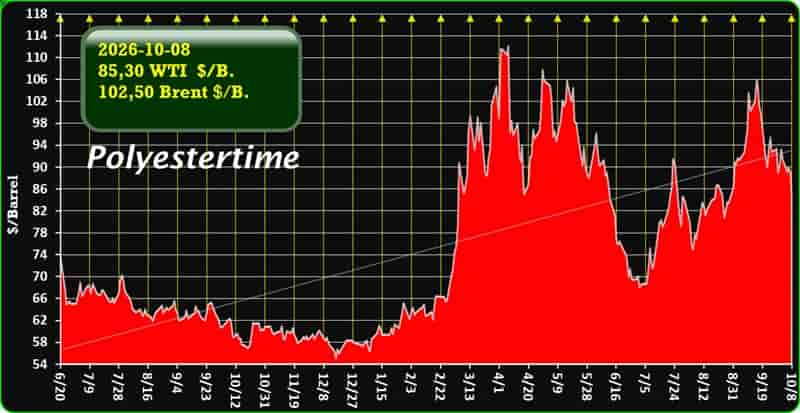
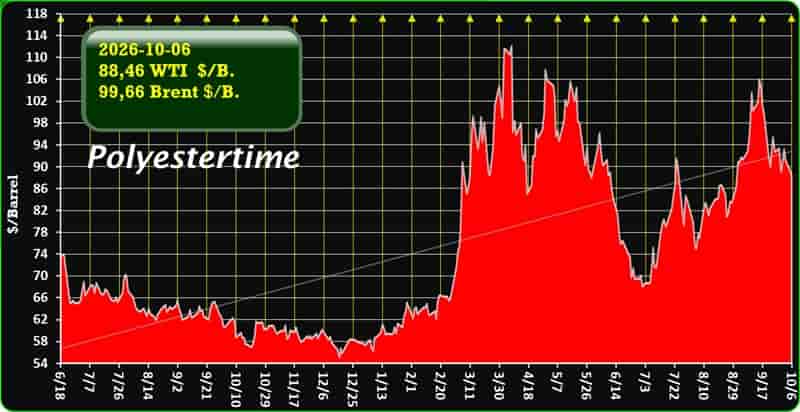
A severe dual-shock crisis has erupted across energy commodity markets, causing a dramatic oil price surge 2026 traders and energy analysts warned was looming. International benchmark Brent crude jumped over 4% to top $104 per barrel, while U.S. West Texas Intermediate (WTI) climbed well past $92 per barrel. oil price surge 2026
The rapid price increase follows military reports that the U.S. Department of Defense directed U.S. Central Command (CENTCOM) to complete operational preparations for potential strikes against Iran’s core energy infrastructure and nuclear sites. Combined with Iranian military warnings regarding the total closure of the strategic Strait of Hormuz, and major offshore shut-ins across the U.S. Gulf of Mexico caused by Hurricane Isaias, global crude distribution faces its tightest squeeze in years. oil price surge 2026
+-------------------------------------------------------------------------+
|                  GEOPOLITICAL & ENVIRONMENTAL DRIVERS                   |
|  (CENTCOM Iran Strike Plans + Hormuz Closure + Hurricane Isaias Halts)  |
+-------------------------------------------------------------------------+
                                     |
                                     v
+-------------------------------------------------------------------------+
|                        ENERGY COMMODITY MARKETS                         |
|   * Brent Crude Benchmark: $104.43 / barrel (+4.2% daily spike)         |
|   * WTI Futures Benchmark:  $92.42 / barrel (+4.6% daily spike)          |
|   * U.S. Gulf Offshore Shut-Ins: ~511,619 barrels/day taken offline     |
+-------------------------------------------------------------------------+
                                     |
                                     v
+-------------------------------------------------------------------------+
|                      GLOBAL MACROECONOMIC FALLOUT                       |
|   * Equity Sell-Offs: Euro Stoxx 50 (-1.1%), S&P 500 under pressure     |
|   * Bond Yield Spikes: US 10-Year yield surges to 5.35%                 |
|   * Commercial Inventories: US stock drops 3.2M barrels below forecasts |
+-------------------------------------------------------------------------+
Geopolitical Escalation: CENTCOM Strike Preparations and Hormuz Warnings
The initial driver of this aggressive upward repricing stems from intensifying military rhetoric surrounding the Persian Gulf. Strategic intel reports from Pentagon sources indicate that U.S. military command has finalized preparations for potential targeted operations against strategic installations within Iran. These potential strikes target key oil export terminals and refining hubs ahead of critical electoral windows in both Washington and Tel Aviv.
In response, Iranian military leadership issued direct warnings regarding key maritime transit routes. Representatives from Iran’s Islamic Revolutionary Guard Corps (IRGC) asserted that forces maintain military oversight over the Strait of Hormuz, cautioning that alternative bypass routes will be forcibly blocked. oil price surge 2026
| Market Metric / Event Parameter | Baseline / Previous Value | Updated High Benchmark | Primary Industry Mechanism |
| Brent Crude Futures (Dec) | $100.20 / barrel | $104.43 / barrel (+4.2%) | Geopolitical Risk Premium |
| WTI Crude Futures (Nov) | $88.35 / barrel | $92.42 / barrel (+4.6%) | Gulf Supply Disruption |
| U.S. Gulf Crude Shut-Ins | Full Operational Rate | 511,619 bpd (25% offline) | Hurricane Isaias Safeguards |
| U.S. Gulf Gas Shut-Ins | Full Operational Rate | 16.4% output offline | Offshore Facility Evacuations |
| U.S. Commercial Inventories | 427.3M Barrels | 424.1M Barrels (-3.2M drop) | Accelerated Demand Drawdown |
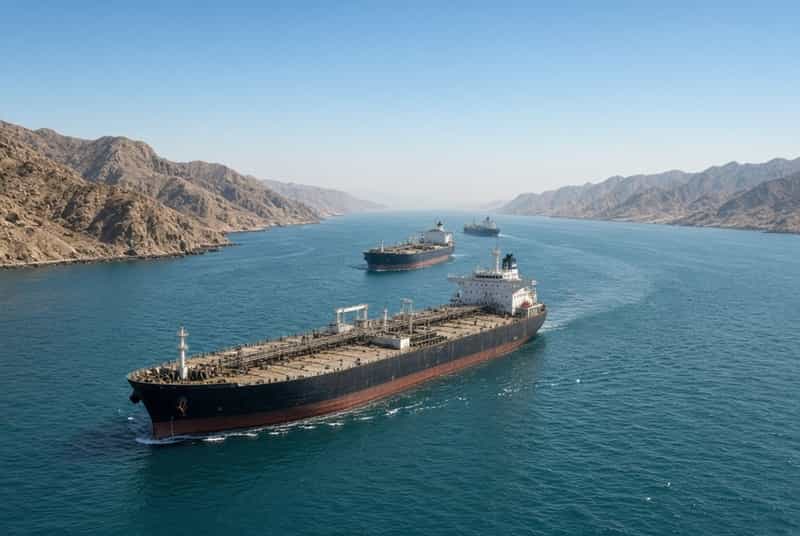
Because roughly 20% of the world’s petroleum consumption passes through the narrow Strait of Hormuz, any military conflict or sea-lane blockade threatens to strand millions of barrels per day. The prospect of physical supply interruption has led commercial refineries and commodity traders to rapidly bid up near-term physical crude contracts. oil price surge 2026
Hurricane Isaias Forces Massive Shut-Ins in the U.S. Gulf of Mexico
Adding severe weather stress to an already unstable international market, Hurricane Isaias has swept into the U.S. Gulf of Mexico, forcing major energy operators to initiate emergency shutdown protocols.
+--------------------------------------------------------------------+
|                  GULF OF MEXICO OPERATIONAL HALTS                  |
|                                                                    |
|   [ Shell Operations ] ------> 5 Offshore Production Hubs Halted   |
|   [ Chevron Operations ] ----> 4 Deepwater Platforms Evacuated     |
|   [ Total Regional Impact ] -> ~25% Crude & 16.4% Gas Taken Offline  |
+--------------------------------------------------------------------+
Data released by the U.S. Marine Minerals Administration confirms that approximately 511,619 barrels per day of crude output—representing roughly a quarter of the region’s overall extraction—has been shut in. Simultaneously, nearly 16.4% of regional natural gas output remains offline as crew evacuations continue across platforms operated by Shell, Chevron, and other major producers.
This physical supply reduction in North America prevents U.S. domestic production from immediately offsetting export deficits created by Middle Eastern shipping delays. oil price surge 2026
Inventory Drawdowns and Broad Economic Consequences
The sudden tightening of crude supplies is further compounded by fundamental domestic balance sheets. The latest U.S. Energy Information Administration (EIA) figures showed commercial crude inventories dropping by 3.2 million barrels to 424.1 million barrels—a far sharper drawdown than the 1.7 million-barrel decline projected by Wall Street forecasts.
U.S. COMMERCIAL CRUDE INVENTORY DRAWDOWN
[ Expected Weekly Reduction (-1.7M Barrels) ]
[ Actual EIA Reported Drawdown (-3.2M Barrels) ] ===> Accelerates Supply Deficit
This sudden energy cost shock is sending ripples through global financial markets:
-
Equity Market Pullbacks: European and American benchmark equity indexes pulled back sharply, with the Euro Stoxx 50 dropping 1.1% and the S&P 500 under pressure from rising input costs.
-
Bond Yield Spikes: U.S. 10-year Treasury yields surged 5 basis points to 5.35% as bond investors priced in renewed inflation risks stemming from elevated fuel and freight expenses.
-
Strategic Petroleum Stock Releases: Although the International Energy Agency (IEA) agreed to fast-track coordinated emergency petroleum inventory distributions to ease market panic, analysts note these releases provide only short-term liquidity without altering fundamental production constraints. oil price surge 2026
Market Outlook: Key Factors to Watch
As the energy sector grapples with simultaneous geopolitical conflicts and natural disruptions, market traders are monitoring three critical factors:
-
Diplomatic vs. Military Escalation: Any formal engagement in the Persian Gulf or physical interference with commercial oil tankers in the Strait of Hormuz could push Brent crude toward multi-year peaks above $110/barrel.
-
Hurricane Trajectory & Infrastructure Recovery: How quickly Gulf of Mexico offshore operators can safely re-staff platforms and restart crude production once Hurricane Isaias clears the area.
-
Refinery Margin Pressures: How downstream industrial processors, aviation fleets, and chemical manufacturers absorb elevated feedstock prices without curtailing operations.
Key Takeaways
The ongoing oil price surge 2026 highlights how fragile global energy supply chains remain when military tension and extreme weather events converge. With Brent crude exceeding $104, WTI above $92, and over 500,000 barrels per day of U.S. Gulf capacity offline, energy markets will stay volatile as geopolitical developments unfold.
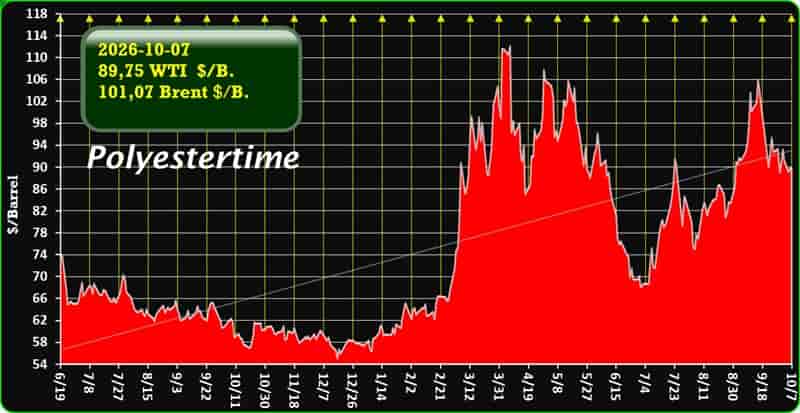
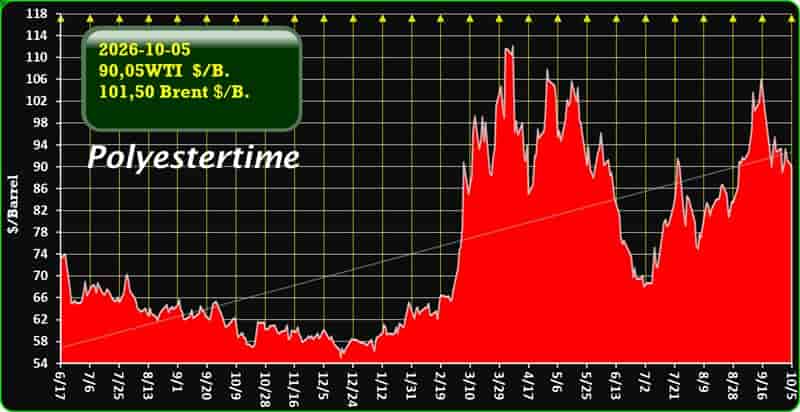
US-Iran Conflict and Global Oil Prices: Brent at $101 and WTI at $90 Signal High Volatility
More…
Explosive Clash: How the Staggering Battle for Strait of Hormuz Control Is Shaking Global Energy Markets
A high-stakes geopolitical narrative is playing out across the Persian Gulf as the United States and Iran deliver sharply conflicting accounts regarding Strait of Hormuz control. During an official diplomatic summit in Athens, U.S. Secretary of State Marco Rubio declared that Tehran has “lost complete control” of the strategic waterway, pointing to tanker tracking data that shows regional oil flows returning toward pre-conflict levels.
Concurrently, commanders within Iran’s Islamic Revolutionary Guard Corps (IRGC) reject Washington’s assessment. Senior military officials assert that Iranian armed forces retain operational supremacy over the sea lanes, threatening to close alternative routes utilized by commercial vessels. As maritime security forces clash with asymmetric threats in the Gulf, global energy traders and international policymakers remain on high alert. oil price surge 2026
+-------------------------------------------------------------------------+
|                  U.S. DIPLOMATIC & MARITIME ASSESSMENT                  |
|  * Oil Exports: Restored to ~18.3M bpd (near pre-war baselines)        |
|  * Economic Status: Iranian economy declared in "total freefall"       |
|  * Security Goal: Ensure zero nuclear enrichment & safe passage         |
+-------------------------------------------------------------------------+
                                     |
                                     v
+-------------------------------------------------------------------------+
|                    STRAIT OF HORMUZ MARITIME ARENA                      |
|  * Location: Chokepoint handling ~20% of global daily petroleum        |
|  * Current Status: Flowing under naval escort; sporadic tanker strikes  |
+-------------------------------------------------------------------------+
                                     |
                                     v
+-------------------------------------------------------------------------+
|                   IRGC MILITARY COUNTER-CLAIM & THREATS                 |
|  * Operational Claim: "Full control" maintained by Iranian forces       |
|  * Warning: Imminent closure of "illegal" alternative bypass routes     |
|  * Leverage Strategy: Mandating compliance with regional political demands|
+-------------------------------------------------------------------------+
Rubio Highlights Restored Tanker Flows and Iranian Economic Crisis
Speaking before international representatives in Athens, U.S. Secretary of State Marco Rubio emphasized that Washington’s diplomatic and military pressure campaigns have systematically dismantled Tehran’s ability to bottleneck international trade. Rubio noted that maritime transit volumes through the Persian Gulf have staged a significant recovery, undermining Iranian threats to shut down global energy supplies.
Data from independent ship-tracking firm Kpler corroborates this rebound. The seven-day moving average for crude exports originating from Gulf exporters rose to 18.3 million barrels per day (bpd), eclipsing the 18.0 million bpd average recorded in the 12 months prior to the recent conflict. oil price surge 2026
| Key Indicator / Parameter | Prior Conflict Baseline | Current Market Benchmark | Strategic Significance |
| Persian Gulf Crude Shipments | 18.0 Million bpd | 18.3 Million bpd | Near full recovery of global oil delivery |
| U.S. CENTCOM Total Transit Volume | Depressed Levels | >1.25 Billion Barrels | Sustained international naval protection |
| Iranian Economic Pressure | High Inflation | “Total Freefall” | Crippling impact of targeted sanctions |
| Global Brent Benchmark | Multi-year Highs | ~$101 / barrel | Volatile risk premium amidst maritime tension |
Rubio tied these operational developments directly to Washington’s sanctions apparatus. He stated that crippling economic restrictions have pushed Iran’s domestic economy into “total and complete freefall,” curtailing Tehran’s ability to project long-term power across the Middle East. Rubio argued that government revenues are being diverted away from civil infrastructure to fund proxy groups such as Hezbollah and Hamas, leaving domestic financial systems severely strained. oil price surge 2026
Iran’s Revolutionary Guard Threatens Alternative Shipping Routes
In direct contrast to the U.S. narrative, military leadership in Tehran insists that Strait of Hormuz control remains under strict Iranian oversight. Brigadier General Mohammad Reza Naqdi, a senior adviser to the IRGC commander-in-chief, declared through state media outlets that the strait remains closed to unauthorized traffic and will stay locked until Iran’s demands are fully honored. oil price surge 2026
+--------------------------------------------------------------------+
|                      IRGC MARITIME DIRECTIVES                      |
|                                                                    |
|   [ Main Transit Lane ] ------> Subject to IRGC Surveillance       |
|   [ Alternative By-Passes ] ---> Deemed "Illegal" / Target Zone     |
|   [ Strategic Demand ] ---------> Complete Cessation of Western Escalation|
+--------------------------------------------------------------------+
Naqdi issued warnings specifically targeting alternative maritime pathways carved out around shallow rocky sectors. Iranian officials characterize these makeshift routes—often utilized by smaller vessels and independent operators—as illegal smuggling corridors. The IRGC warned that armed forces are preparing to forcibly close these channels, raising the immediate threat of military engagement for commercial vessels navigating non-standard routes. oil price surge 2026
The Nuclear Red Line and Conventional Deterrence
Beyond immediate maritime security, the diplomatic clash highlights deeper structural disagreements over non-proliferation and regional force posture. U.S. officials maintain that any future diplomatic resolution requires verifiable guarantees regarding Iran’s nuclear enrichment pipeline. oil price surge 2026
U.S. NON-PROLIFERATION THRESHOLD
[ Current High-Grade Enrichment (60%) ]
                 │
                 ▼
[ Mandatory Capacity Reduction Required ] ===> Verifiable Zero-Nuclear Guarantee
Washington has made clear that high-grade uranium enrichment—specifically processing near 60% purity—is incompatible with peaceful energy development. American diplomats argue that Tehran’s overarching strategic objective has been to assemble a massive conventional arsenal and missile inventory. By building an extensive military buffer, Iran aims to make itself invulnerable to foreign diplomatic and economic leverage. oil price surge 2026
Global Energy Implications and Market Outlook
Despite public statements asserting that commercial traffic has stabilized, the operational reality within the Persian Gulf remains volatile. International energy analysts note that while macro shipping volume has rebounded, individual tankers continue to face tactical threats from regional drone and missile strikes.
Market participants are currently monitoring three critical security variables:
-
Naval Escort Durability: The ongoing ability of U.S. Central Command (CENTCOM) and international coalition naval assets to shield commercial oil tankers from asymmetric attacks.
-
Sanctions Enforcement Dynamics: How effectively Western measures restrict Iranian oil revenue without triggering severe supply shocks in European and Asian energy markets.
-
Alternative Transit Vulnerabilities: Whether IRGC forces act on threats to attack secondary maritime routes and commercial vessels bypassing primary channels. oil price surge 2026
Key Takeaways
The dispute over Strait of Hormuz control illustrates the ongoing friction between Washington and Tehran. While restored oil flow data suggests U.S. naval posture and economic pressure have checked Tehran’s leverage over global shipping, explicit military warnings from the IRGC guarantee that the world’s most critical energy transit chokepoint will remain a high-risk zone. oil price surge 2026