Revolutionary Spandex Innovation Drives Massive Reductions in Apparel Carbon Footprint
Renewable spandex circular textiles
Revolutionary Spandex Innovation Drives Massive Reductions in Apparel Carbon Footprint
As the global fashion industry accelerates its shift from high-level sustainability pledges toward full-scale industrial execution, groundbreaking advancements in bio-derived feedstocks and fiber separation are defining a new milestone for elastic textiles. The sector’s transition away from virgin fossil fuel inputs and linear disposal models has reached a critical juncture.
During the annual Textile Exchange Conference hosted at the Vancouver Convention Centre in British Columbia, Canada, international apparel leaders gathered under the official theme, “The Implementation Era”. The primary focus centered on deploying, scaling, and commercializing circular solutions capable of fundamentally transforming modern supply chains. renewable spandex circular textiles
The Urgency for Circular Solutions in Modern Apparel Sourcing
The global textile sector faces rising pressure from environmental regulators, investors, and consumers to eliminate finite petroleum dependencies while addressing the mounting crisis of post-consumer garment waste. Synthetic elastane fibers—universally prized for delivering essential stretch, shape retention, and comfort across modern wardrobes—have historically posed significant sustainability hurdles.
Historically, elastane manufacturing relied almost exclusively on fossil fuel extraction. Once blended into garments alongside companion yarns like polyester or nylon, the resulting composite fabrics proved nearly impossible to separate using traditional mechanical recycling systems. Consequently, millions of tons of elastane-blended apparel end up incinerated or deposited into landfills annually.
Addressing this structural barrier requires a dual-track strategy: substituting virgin fossil feedstocks at the start of production and developing sophisticated chemical and physical systems to reclaim fibers at end-of-life. renewable spandex circular textiles
Scaling Commercial Bio-Derived Feedstocks: Iowa Dent Corn Replacing Fossil Fuels
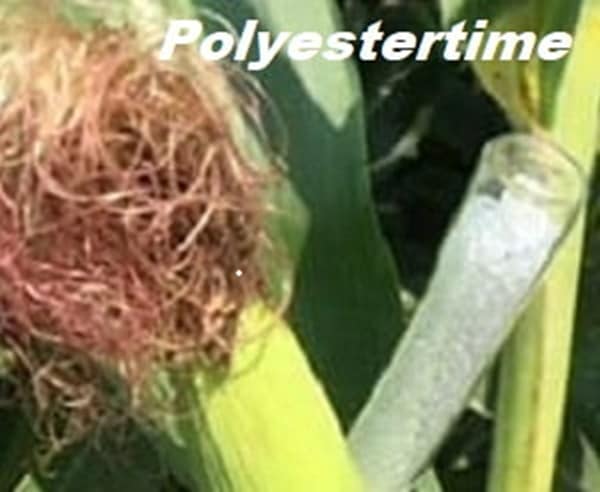
A principal highlight at the conference was the commercial-scale deployment of bio-derived elastane. Developed by synthetic fiber pioneer The LYCRA Company, Renewable LYCRA® fiber incorporates 70% plant-based content derived from U.S.-grown dent corn sourced primarily from agricultural supply networks in Iowa. renewable spandex circular textiles
By replacing conventional petroleum-derived chemical precursor polytetramethylene ether glycol (PTMEG) with bio-based alternatives, this material solution dramatically reduces reliance on finite petroleum resources. According to an independent third-party Life Cycle Assessment (LCA) reviewed by environmental consulting firm Ramboll, replacing traditional fossil-derived inputs with bio-derived dent corn feedstock reduces the fiber’s overall carbon footprint by up to 45%.
Crucially, because dent corn is an industrial crop cultivated primarily for livestock feed and industrial processing, its utilization avoids displacing crops grown for direct human food consumption. Furthermore, the resulting bio-derived fiber achieves identical stretch, recovery performance, and durability metrics compared to conventional spandex, allowing textile mills and apparel brands to adopt the sustainable alternative without modifying standard manufacturing equipment or sacrificing garment performance.
Overcoming the Blend Barrier: Advanced Elastane Separation and Fiber Recovery
While bio-based feedstocks solve the raw input side of the environmental equation, managing end-of-life garment waste remains mandatory for achieving true circularity. Elastane is rarely used alone; it is almost always blended in small percentages with natural or synthetic companion yarns to impart stretch to items such as denim, performance sportswear, intimate apparel, and athleisure.
Historically, these blended constructions presented an insurmountable obstacle for post-consumer textile recycling. To break this technological bottleneck, collaborative initiatives across global textile recyclers and material scientists have developed specialized fiber separation technologies. renewable spandex circular textiles
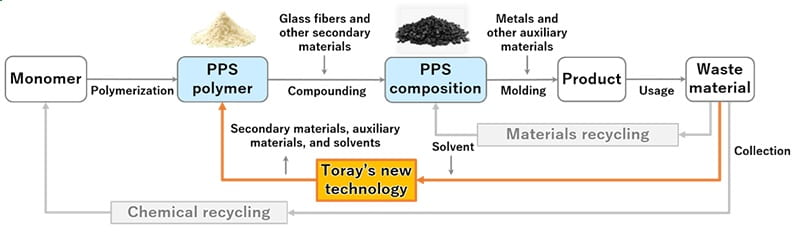
Newly established pilot systems can systematically isolate spandex from pre-consumer textile scrap and companion fibers like nylon or polyester. Once isolated, the reclaimed elastane can be re-spun into high-quality recycled fibers. This technical achievement forms the foundation for scaling full textile-to-textile circularity across the global fashion ecosystem.
Industry Implementation and Strategic Supply Chain Action
Unlocking circularity across global apparel markets demands multi-stakeholder collaboration among agricultural producers, fiber processors, fabric mills, and commercial brands. Alistair Williamson, Vice President of Product Sustainability at The LYCRA Company, emphasized that bringing recycled and renewable materials to commercial scale is vital to turning corporate sustainability ambitions into measurable impact. renewable spandex circular textiles
As international regulatory frameworks—such as Digital Product Passports (DPP) and Extended Producer Responsibility (EPR) laws—tighten across Europe and North America, verified low-carbon raw materials and traceable recycling networks offer apparel brands a concrete path to regulatory compliance. By pairing bio-derived feedstocks with advanced fiber recovery infrastructure, the textile industry is actively proving that high-performance stretch apparel and environmental responsibility can co-exist at scale.
Lycra China Innovation Gains Powerful Momentum
More…