US Iran War and Oil Prices: Why Brent Hits $95 and WTI Trades at $88
US Iran oil prices
US Iran War and Oil Prices: Why Brent Hits $95 and WTI Trades at $88
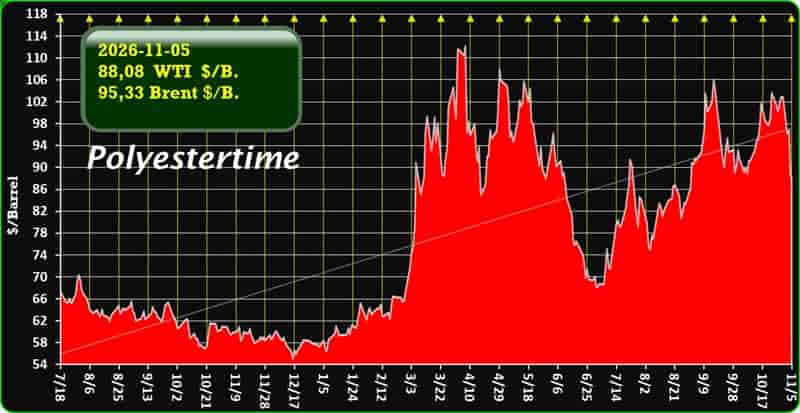
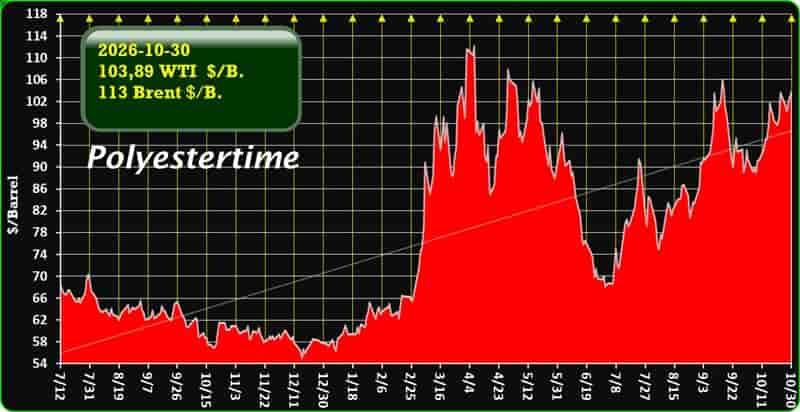
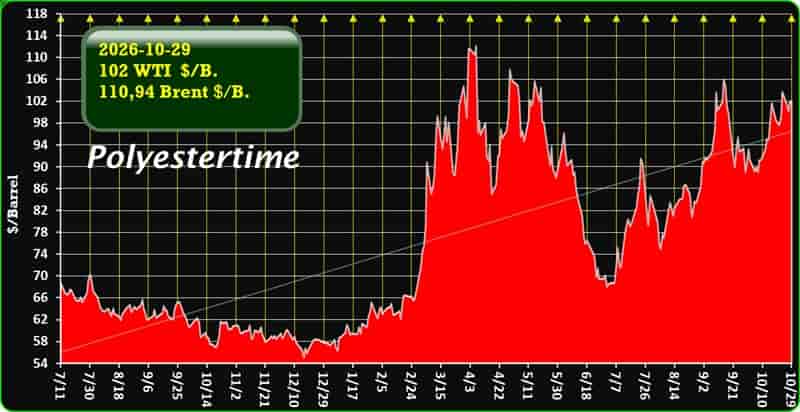
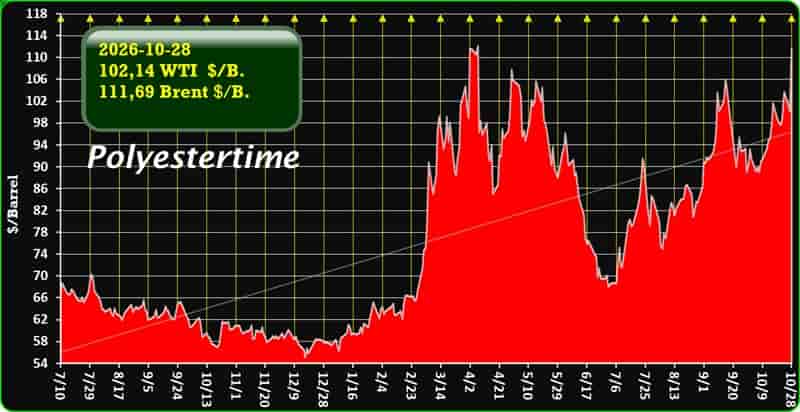
Global energy markets are experiencing a significant shift as international benchmark crude oil prices retreat from recent highs. Brent crude is currently hovering near $95 per barrel, while West Texas Intermediate (WTI) is trading around $88 per barrel. US Iran oil prices
This pricing dynamic comes on the heels of intense geopolitical friction surrounding the ongoing military tension between the United States and Iran. While military friction and supply bottlenecks in the Strait of Hormuz initially pushed crude futures toward historic highs, fresh political developments in Washington and potential diplomatic channels have introduced a wave of downside risk premium to the market.
For energy investors, supply chain managers, and consumers, understanding how these geopolitical conflicts intersect with baseline economic fundamentals is essential for navigating the weeks ahead.
Geopolitical Drivers and the US-Iran Conflict
The primary engine behind recent market movements remains the strategic tension between US military assets and Iranian regional defense networks. Energy corridors across the Persian Gulf carry roughly 20% of global petroleum production, making any escalation an immediate driver of risk premiums in crude futures. US Iran oil prices
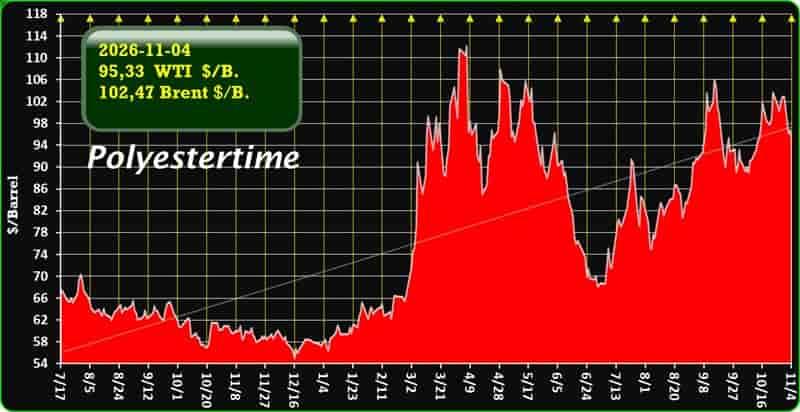
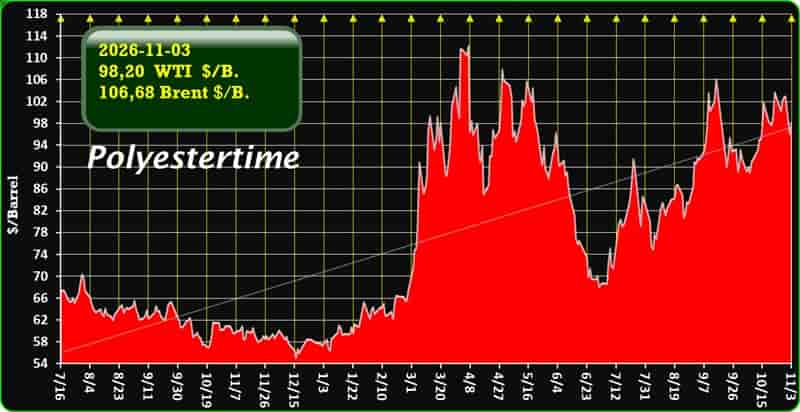
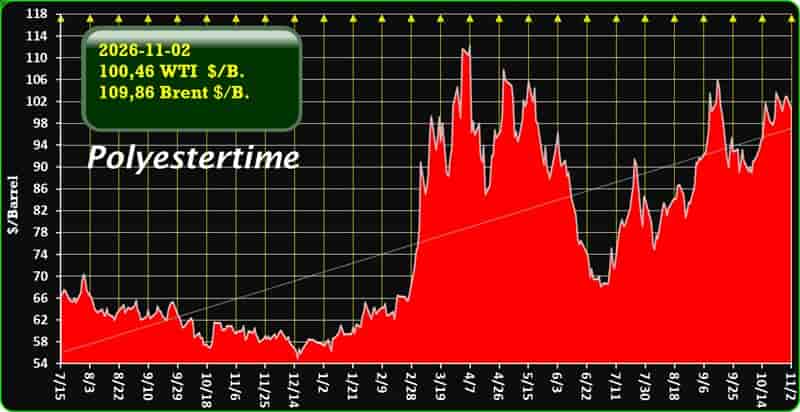
Recent market commentary indicates that while military readiness remains high, explicit statements downplaying immediate direct strikes—alongside emerging diplomatic signals mediated by regional third parties—have temporarily eased panic buying. As a result, traders who had built aggressive risk premiums into long positions have started unwinding them, pushing Brent down from its previous peak above $100 per barrel back toward the $95 threshold. US Iran oil prices
Despite this diplomatic window, structural risks across maritime transport lanes remain elevated. Tanker traffic through vulnerable points continues to face higher insurance premiums and altered routing schedules, preventing crude prices from collapsing back to multi-year lows. US Iran oil prices
Analyzing the Brent-WTI Spread
The price differential between international benchmark Brent ($95/B) and domestic US crude WTI ($88/B) reflects distinct regional fundamentals:
-
Brent Crude Vulnerability: As a global sea-borne crude benchmark, Brent reacts directly to maritime logistics disruptions and Middle Eastern supply security. The $95 level represents a market balancing geopolitical anxiety with potential diplomatic breakthroughs.
-
WTI Domestic Insulation: US domestic crude, trading around $88 per barrel, benefits from robust domestic production in the Permian and Gulf Coast basins. High domestic output provides a buffer against direct supply shortages, keeping WTI at a consistent discount to its international counterpart. US Iran oil prices
Technical analysts point out that WTI is currently testing crucial technical support levels near $87–$88 per barrel. A sustained breakdown below these levels could open the door for further downside momentum toward $80 per barrel, whereas a breakdown in peace talks could quickly send futures testing triple-digit territory once more.
US Midterm Elections and Political Realignments
Domestic US politics have taken center stage in shaping market expectations. Shifted political balances following recent midterm election outcomes have altered perceptions of long-term foreign policy and military engagement abroad.
Market participants often adjust energy sector expectations following election cycles based on anticipated changes in foreign policy, sanction enforcement, and national strategic petroleum reserves management. The prospect of renewed diplomatic engagement or scaled-back escalation has led hedge funds and institutional desk traders to trim net-long energy exposure.
Additionally, fiscal policy debates surrounding energy transition spending and domestic drilling permits in the US legislature continue to influence medium-term supply expectations, further complicating the trajectory for WTI prices. US Iran oil prices
Physical Inventories vs. Paper Market Expectations
A key paradox in current energy markets lies in the disconnect between short-term financial trading and real-world crude stockpiles:
-
Commercial Stockpiles: Official inventory data shows drawdowns in commercial crude and distillate stocks, pointing to tight operational buffers across major refining hubs.
-
Physical Barrel Premiums: Regional physical crude grades, such as Murban crude, continue to trade at notable premiums over futures contracts. This physical tightness indicates that actual refinery demand for real barrels remains firm. US Iran oil prices
-
Paper Futures Sells: Financial derivatives markets are pricing in future peace dividends and macroeconomic demand cooling, leading to sharp day-to-day selloffs despite lean inventories.
This divergence means that while paper markets drop on news headlines, any unexpected physical shock—such as a localized supply interruption or tanker incident—could trigger rapid upward re-pricings.
Macroeconomic Outlook and Demand Factors
Beyond geopolitical headlines, global economic health exerts strong influence over energy demand. Central bank monetary policies, persistent inflation pressures, and industrial manufacturing outputs across major economies shape how much fuel the world consumes.
While supply fears pushed prices higher earlier in the quarter, high borrowing costs and slowing industrial growth in key global regions have acted as a counterweight. If economic growth continues to decelerate globally, energy consumption could fall, naturally putting a ceiling on crude prices even during times of geopolitical tension. US Iran oil prices
Conversely, should central banks shift toward rate cuts to stimulate economic activity, demand growth could re-accelerate, providing a firm floor under Brent and WTI futures.
What to Watch Next
As the energy market navigates this high-volatility environment, key indicators will determine whether Brent stabilizes around $95/B or resumes an upward trajectory:
-
Diplomatic Progress: Official updates from mediator nations regarding US-Iran negotiations.
-
Shipping Security: Incident reports and maritime security bulletins along critical Middle Eastern trade corridors.
-
Weekly Inventory Reports: US Energy Information Administration (EIA) data on crude stockpiles and refining capacity utilization.
-
OPEC+ Policy Announcements: Any potential production quota adjustments by key exporting nations intended to balance supply against fluctuating market prices.
Energy markets remain caught between real geopolitical risk and changing market sentiment. Investors and industry stakeholders must stay focused on both headline geopolitics and underlying supply data in the coming months. US Iran oil prices
US-Iran War Oil Prices: Market Volatility and Strategic Energy Risks
More…