Revolutionary Upcycling Method Converts Waste Polyethylene directly into High-Value Nylon Feedstock
Breakthrough Chemical Upcycling Transforms Waste Polyethylene into Nylon Feedstock Without Energy-Intensive Pyrolysis
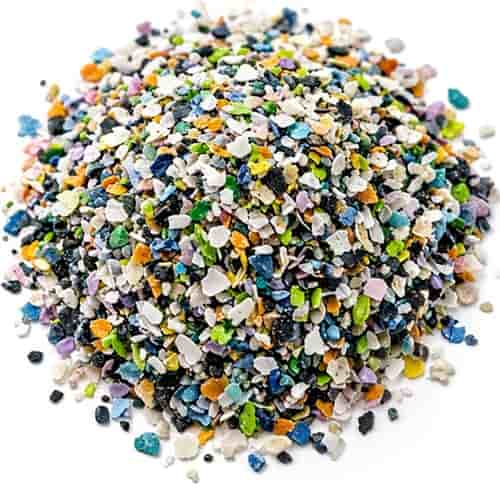
The global plastics crisis demands a fundamental shift from downcycling to chemical upcycling. Polyolefins—predominantly polyethylene (PE) and polypropylene (PP)—comprise roughly four-fifths of global plastic waste, generating over 400 million metric tons of municipal refuse each year. While traditional mechanical recycling downgrades these polymers into low-value items like paving slabs or garden furniture, chemical upcycling aims to rebuild premium monomers for virgin-quality applications. Upcycling Polyethylene to Nylon
At the Leibniz Institute for Catalysis (LIKAT) in Rostock, Germany, chemists have developed a transformative approach to upcycling polyethylene to nylon. By using mild, non-catalytic oxidative conditions, the team selectively converts post-consumer polyethylene into dicarboxylic acids—the exact chemical building blocks required for industrial polyamide synthesis. This process bypasses the extreme energy footprint and regulatory hurdles facing conventional thermal recycling, establishing a scalable blueprint for sustainable synthetic polymer manufacturing. Upcycling Polyethylene to Nylon
The Downfall of Pyrolysis and the Urgent Search for Low-Energy Alternatives
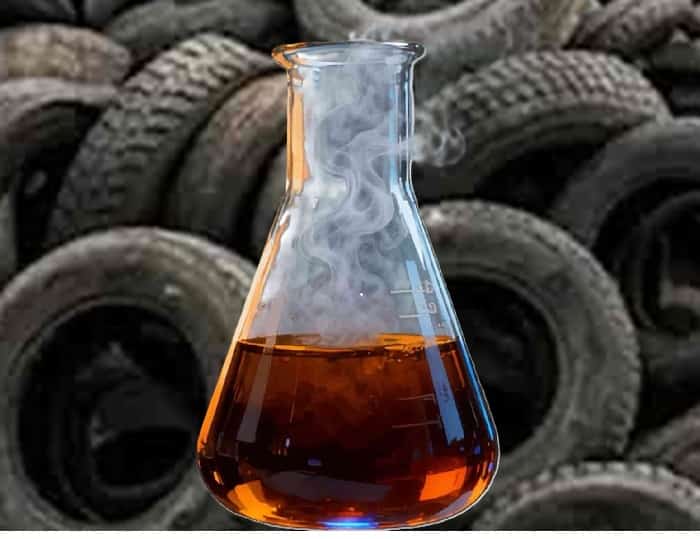
For years, thermal pyrolysis was hailed as the standard solution for chemically processing mixed polyolefin waste stream fractions. In typical industrial pyrolysis setups, plastic waste is subjected to thermal degradation at temperatures reaching up to 600 degrees Celsius in an oxygen-deprived atmosphere. While this yields liquid hydrocarbons suitable for re-refining, the massive energy input generates a heavy carbon footprint that counteracts decarbonization goals.
Environmental regulatory agencies worldwide are increasingly re-evaluating thermal operations. In North America and Europe, stringent emission limits and shifting waste management directives are forcing facilities to shut down or pivot toward lower-impact routes. Furthermore, standard pyrolysis randomly cleaves carbon-carbon bonds, creating a broad mixture of low-value oils that demand expensive secondary refining before they can serve as chemical feedstocks. Upcycling Polyethylene to Nylon
The fundamental challenge with polyolefins lies in their chemical architecture. Composed exclusively of saturated carbon-hydrogen bonds, PE molecules lack polar functional groups, heteroatoms, or reactive sites where chemical reagents can easily cleave the polymer chain. Breaking these inert backbones in a controlled, energy-efficient manner requires a precise chemical lever rather than brute thermal force.
Harnessing Reactive Oxygen Species Under Mild Liquid-Phase Conditions
To overcome the inert nature of polyolefins, oxidative chemical strategies rely on Reactive Oxygen Species (ROS). When activated on the polymer surface, ROS attack the stable carbon-hydrogen bonds, fragmenting the continuous hydrocarbon chains into functionalized intermediates. Historical attempts to leverage ROS required specialized precious metal catalysts and ultra-high pressure reactors. However, these systems introduced severe operational hazards, high raw material costs, and extreme volatility risk linked to precious metal pricing.
The breakthrough achieved by the research group led by Dr. Esteban Mejía at LIKAT centers on eliminating expensive catalysts entirely. Building upon legacy literature that utilized concentrated nitric acid under harsh conditions, the Rostock team optimized a streamlined, diluted liquid system. The reaction relies on a balanced mixture of diluted nitric acid and hydrogen peroxide H2O2 operating at a modest maximum temperature of 120 degrees Celsius. Upcycling Polyethylene to Nylon
Under these optimized mild conditions, post-consumer polyethylene flakes dissolve smoothly in test-tube conditions. The reaction proceeds through a controlled liquid-phase oxidative mechanism:
-
Activation: Hydrogen peroxide generates reactive oxygen species under mild thermal input, initiating radical cleavage on the inert polyethylene backbone.
-
Chain Degradation: Diluted nitric acid works synergistically to functionalize the cleaved carbon terminals without causing runaway degradation to single-carbon gases.
-
Selective Termination: The oxidative cleavage terminates cleanly to yield dicarboxylic acid chain segments.
Controlling the thermal regime and reaction timing is critical. If the intermediate products remain in the reaction mixture too long, secondary side reactions occur, producing a complex mixture of degraded compounds rather than uniform monomer precursors. Upcycling Polyethylene to Nylon
Precision Selectivity: Targeting C6 Building Blocks for Industrial Polyamide 6,6
Dicarboxylic acids are versatile chemical compounds consisting of carbon chains terminated at both ends by carboxyl groups (-COOH). Previous academic literature targeting polyethylene oxidation produced wide distributions of dicarboxylic acids, spanning chain lengths from two to over forty carbon atoms (C2 to C40). While such broad carbon distributions function adequately as industrial surfactants or soap additives, high-performance synthetic fiber production requires tight molecular selectivity. Upcycling Polyethylene to Nylon
Global nylon production consumes roughly eight million metric tons of raw precursors annually, almost entirely derived from fossil-based crude oil refining. Synthesis of Nylon 6,6 requires adipic acid—a specific dicarboxylic acid containing exactly six carbon atoms (C6).
Polyethylene Waste ---> [ Diluted HNO3 + H2O2 / 120°C ] ---> C6 Dicarboxylic Acid ---> Polyamide (Nylon)
In initial experimental runs, the LIKAT research team successfully narrowed the product distribution to dicarboxylic acids ranging between four and ten carbon atoms (C4 to C10). In collaboration with process engineering specialists at the University of Rostock, the team is designing separation protocols and catalytic micro-tuning to isolate pure C6 adipic acid streams. Achieving tight C6 selectivity allows waste polyolefin streams to directly feed the synthetic textile and engineering plastics supply chains, closing the circular loop for high-value nylon manufacturing.
Reaction Kinetics, Photochemical Enhancements, and Pilot-Scale Horizon
To transition this chemistry from laboratory glassware to commercial pilot plants, LIKAT researchers are mapping the underlying reaction kinetics. Identifying intermediate species, tracking radical concentration profiles, and measuring conversion velocity will allow process engineers to design continuous-flow reactors with exact residence times. Upcycling Polyethylene to Nylon
To further reduce thermal energy consumption, LIKAT is collaborating with photochemical specialists at the University of Guayaquil. By introducing light energy into photochemical reactor vessels, light-assisted activation of reactive oxygen species can accelerate polymer backbone cleavage at ambient or near-ambient temperatures.
As the group prepares its findings for publication in The Journal of the American Chemical Society and presents at major global catalysis summits, the process represents a major step forward for chemical upcycling. Converting high-volume plastic waste into premium polyamide precursors offers a direct pathway to decouple synthetic fiber production from fossil fuels, lowering industrial emissions while offering a practical solution to global plastic accumulation. Upcycling Polyethylene to Nylon
Evonik Advances Plastic Chemical Recycling with New Pyrolysis Oil Purification Technologies
More…