European Recycled Polyethylene Price Forecast: Market Shifts and Regulatory Drivers Ahead
European recycled polyethylene price
European Recycled Polyethylene Price Forecast: Market Shifts and Regulatory Drivers Ahead
The European plastics recycling sector is navigating one of the most consequential turning points in its history. As regulatory deadlines converge with shifting feedstock dynamics and volatile virgin resin markets, tracking the European recycled polyethylene price has become essential for packaging converters, brand owners, and polymer producers across the continent.
On November 19, 2026, global commodity intelligence provider ICIS underscored the urgency of forward-looking visibility by launching a dedicated 18-month price forecast for European recycled polyethylene (rPE). Covering the current month and the subsequent 17 months—with fortnightly reviews—the new outlook tracks key grades of recycled high-density polyethylene (rHDPE) and recycled low-density polyethylene (rLDPE), signaling that market participants require sharper pricing tools to manage mounting volatility. European recycled polyethylene price
What Is Behind the New rPE Pricing Outlook?
Historically, recycled polymer markets relied heavily on spot assessments and short-term sentiment. However, long-term supply contracts and compliance budgets now demand structured visibility across both post-consumer and post-industrial streams.
The benchmark grades defining current European market intelligence highlight where industrial demand and pricing divergence are sharpest:
-
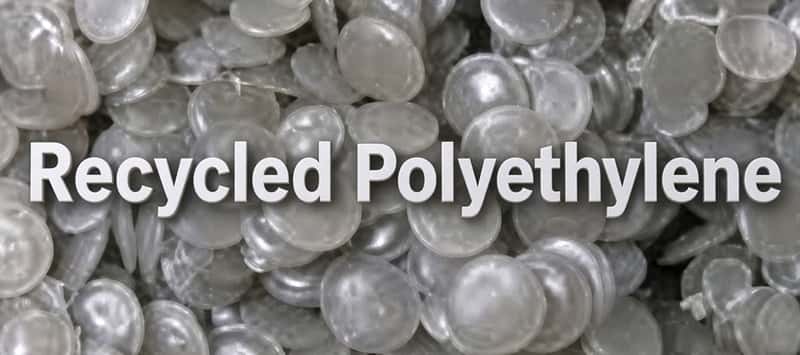
rHDPE Natural Blow Moulding Pellets: High-value resin prized for rigid consumer packaging, where color purity and consistent melt flow command substantial premiums over darker grades.
-
rHDPE Pipe Grade Black Pellets: Driven largely by European construction and infrastructure activity, offering a barometer for industrial recovery.
-
rHDPE Mixed-Coloured Post-Consumer Bales: The foundational raw material indicator reflecting municipal collection rates and sorting efficiency.
-
rLDPE Flexible Natural Transparent Pellets (MFI 0.8–1.5): Critical for collation shrink films and commercial packaging films.
-
rLDPE Flexible Post-Commercial Natural Bales: A vital feedstock benchmark tied closely to retail and logistics waste recovery.
Understanding how these five distinct tiers move independently—and how they interact with virgin polyethylene benchmarks—is central to forecasting European recycled polyethylene price movements through 2027 and early 2028. European recycled polyethylene price
Five Forces Shaping European rPE Prices
Several structural and regulatory catalysts are actively reshaping supply, demand, and conversion economics across Europe.
1. The EU Plastic Waste Export Ban Under the revised EU Waste Shipment Regulation (Regulation (EU) 2024/1157), a comprehensive ban on exporting plastic waste from the European Union to non-OECD countries takes full effect on November 21, 2026. By keeping secondary plastic waste within European borders, the policy aims to prevent environmental dumping abroad while securing domestic feedstock for European recyclers. In the short to medium term, higher domestic bale availability could ease raw material bottlenecks for European reprocessors, though sorting infrastructure and washing capacity will determine how quickly that waste translates into high-grade pellets.
2. Implementation of the Packaging and Packaging Waste Regulation (PPWR)Europe’s Packaging and Packaging Waste Regulation is transitioning from legislative text to operational reality. With mandatory recycled content targets approaching for 2030 and strict recyclability grading (Grades A, B, and C) set to govern market access and eco-modulated Extended Producer Responsibility (EPR) fees, brand owners are under growing pressure to lock in reliable rPE supply. Demand is especially concentrated in natural and food-contact compliant grades, creating a two-tier market where high-purity pellets trade at wide premiums over mixed or dark recyclates. European recycled polyethylene price
3. Virgin Polymer Volatility and Cost Competition Recycled polyethylene does not trade in a vacuum. When virgin HDPE and LDPE prices soften due to global oversupply or sluggish manufacturing demand, converters face intense financial pressure to scale back voluntary recycled content. Conversely, geopolitical disruptions or upstream feedstock spikes in virgin ethylene can quickly restore the cost competitiveness of rPE. Currently, European recyclers are caught between cautious buyer procurement and persistently high operational expenses.
4. Elevated European Recycling and Energy Costs Operating mechanical recycling plants in Europe remains expensive. High industrial electricity prices, strict environmental compliance, labor costs, and the technical expense of advanced sorting and deodorization squeeze recycler margins. Over the past year and a half, challenging economics forced roughly one million tonnes of European recycling capacity offline. Even when bale prices soften, recyclers face firm cost floors below which pellet production becomes unviable.
5. Import Scrutiny and Trade SafeguardsInexpensive recycled polymer imports from outside the bloc have frequently undercut European producers, prompting Brussels to step up border surveillance, facility audit requirements, and third-party verification rules. Tighter customs classification and stricter proof-of-origin standards are expected to gradually level the playing field, supporting domestic European rPE pricing integrity over the forecast horizon. European recycled polyethylene price
Regional Market Nuances Across Europe
Price dynamics also vary notably by region. In Central and Western Europe, mature deposit and collection systems provide steady post-consumer feedstock, yet converters remain conservative, purchasing largely on a hand-to-mouth basis rather than committing to large forward volumes. Meanwhile, Southern and Eastern European markets continue expanding mechanical sorting and regranulation capacity, increasingly competing for quality post-commercial film bales.
Across all sub-regions, quality differentiation remains the defining theme. Natural rHDPE and transparent rLDPE pellets consistently outperform darker, mixed-color grades in both demand resilience and margin stability. European recycled polyethylene price
Strategic Takeaways for Buyers and Producers
Navigating the European recycled polyethylene price landscape over the next 18 months requires moving away from reactive spot buying. Packaging buyers should segment their procurement strategies—securing multi-quarter agreements for scarce natural and high-spec film grades while maintaining flexible index-linked contracts for standard industrial resins.
For recyclers and waste management operators, the convergence of the November 2026 non-OECD export ban and tightening PPWR compliance rules offers a long-awaited structural tailwind. Success, however, will depend on investing in optical sorting, odor removal, and traceable certification to meet the exact technical specifications European converters now demand.
WordPress Technical & AI-Readiness Guide (Zero-HTML Checklist)
Because you requested no HTML in the output while ensuring your WordPress site meets strict accessibility, Core Web Vitals, and Large Language Model (LLM) citation standards, apply these settings directly within your WordPress dashboard and theme options:
-
Semantic Landmarks & Content-First DOM Order (
<main>):-
Choose a lightweight, accessibility-ready block theme (such as GeneratePress, Kadence, Blocksy, or Ollie). These themes automatically wrap your article in a semantic
<main>landmark tag and place a “Skip to content” link at the top of the document. -
Configure your theme layout so the primary content column appears first in the underlying page structure, using modern CSS Grid or Flexbox to visually position any right-hand sidebars. This ensures screen readers, search crawlers, and AI bots read your core article immediately after the main navigation without wading through sidebar widgets first.
-
-
Mobile-Friendliness & Google Core Web Vitals (LCP, INP, CLS):
-
Largest Contentful Paint (LCP under 2.5s): Upload your featured image in WebP or AVIF format (kept under 100 KB), set explicit width and height attributes in the WordPress Image block, and enable featured image preloading in your caching plugin (e.g., WP Rocket, LiteSpeed Cache, or Perfmatters).
-
Interaction to Next Paint (INP under 200ms): Defer non-essential third-party JavaScript, delay analytics scripts until user interaction, and avoid heavy popup builders or slider plugins.
-
Cumulative Layout Shift (CLS under 0.1): Host Google Fonts locally through your theme customizer with
font-display: swapenabled, and reserve fixed container heights for any ad units or newsletter embeds. European recycled polyethylene price
-
More…