Oil Prices and the US–Iran War: Why Crude Is Hovering Near $90 for Brent and $83 for WTI
0il prices Iran war
Oil Prices and the US–Iran War: Why Crude Is Hovering Near $90 for Brent and $83 for WTI
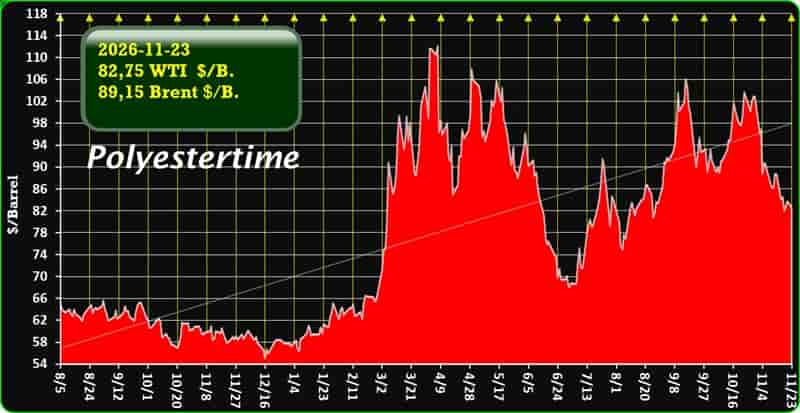
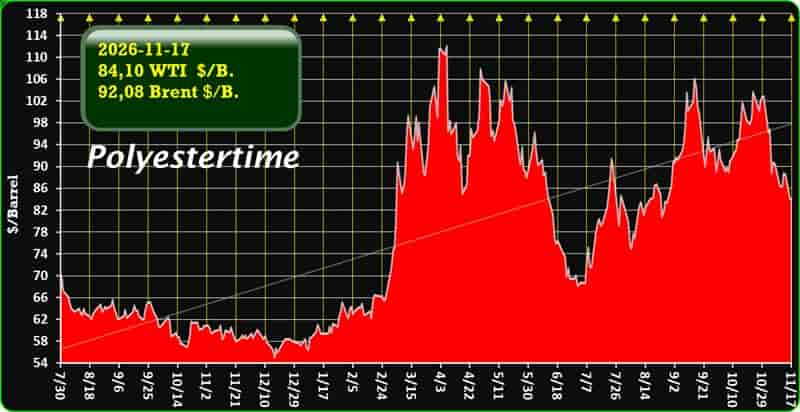
Global energy markets are caught in a high-stakes tug-of-war between geopolitical danger and physical supply. Even as the conflict involving the United States, Israel, and Iran continues to rattle Persian Gulf shipping lanes, crude benchmarks have retreated from their late-October highs, settling into a zone where Brent crude trades around $90 per barrel and West Texas Intermediate (WTI) hovers near $83 per barrel.
For traders, policymakers, and everyday fuel buyers, that price range captures a crucial shift in market psychology. Rather than pricing in an immediate, total shutdown of Middle Eastern oil exports, energy markets are weighing growing supply projections and broader financial volatility against persistent maritime attacks and diplomatic gridlock. oil prices Iran war
A Market Pulled Between Supply Relief and War Risk
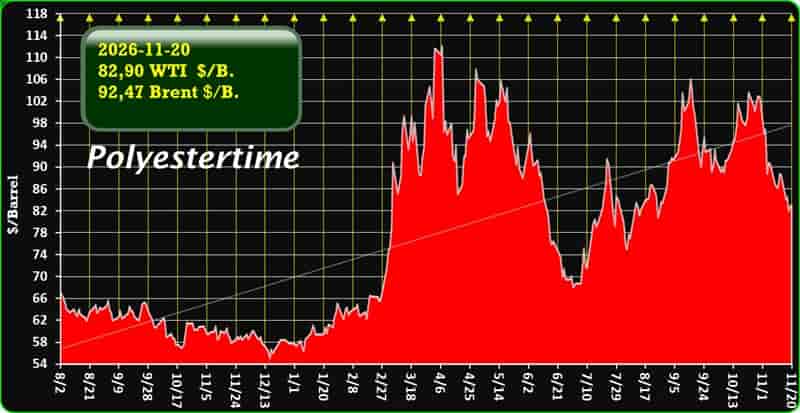
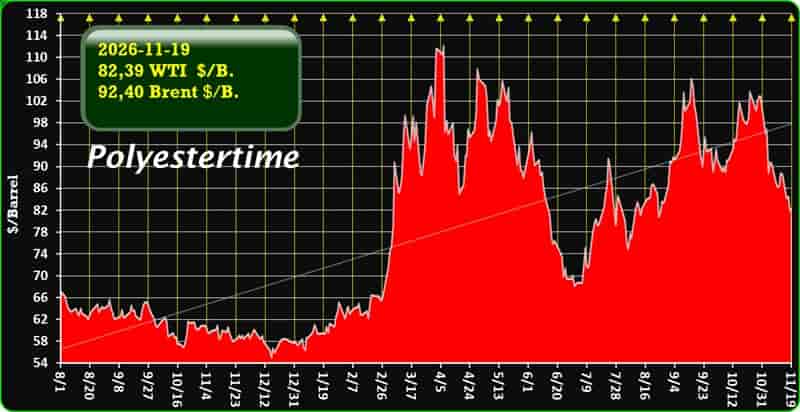
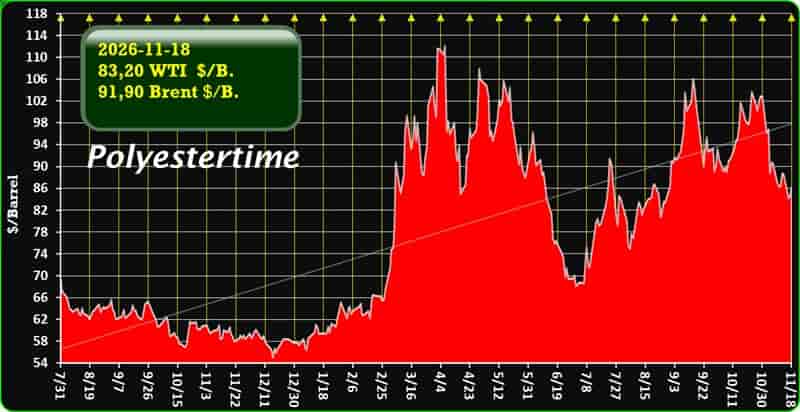
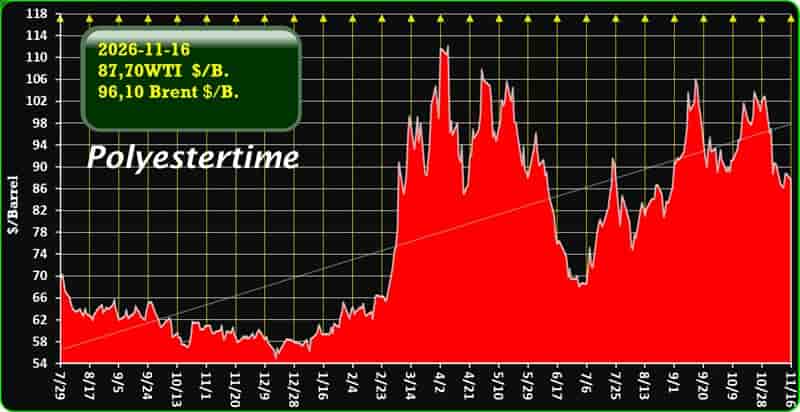
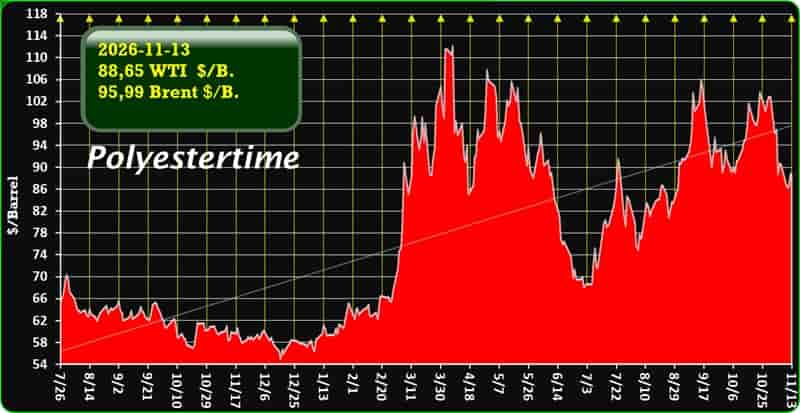
Through late October, fears over escalations and attacks on energy sites pushed Brent crude above $113 and into the mid-$110s per barrel. Since then, momentum has turned lower across multiple weeks. Market reports on November 23 show Brent trading in the low-$90s—near the $90 to $93 per barrel band—while WTI sits right around $83 per barrel, leaving a wide spread between the two benchmarks.
Why has crude cooled when headlines from the Gulf remain alarming? Analysts point first to physical barrels moving despite the danger. Higher output from major Gulf producers and resilient exports—aided by ship-to-ship transfers, southern routing near Oman, and night transits—have eased fears of an acute near-term physical shortage.
At the same time, broader financial market stress has spilled into commodities. A sharp pullback in global equities, including steep declines in technology and AI-linked stocks, has weighed on risk sentiment and reinforced downward pressure on crude prices. oil prices Iran war
The Strait of Hormuz and Blockade Standoff
While supply data has given bears room to push prices down, the oil prices Iran war dynamic remains fragile because the Strait of Hormuz is one of the world’s most critical energy chokepoints. Maritime monitors and energy analysts continue to report attacks on commercial vessels in the Gulf and near the strait, alongside strikes targeting regional infrastructure and military assets.
The standoff is complicated by dueling maritime pressures. Washington has maintained a naval blockade targeting Iranian ports and warned against attempts to breach it, while Tehran has pressed tanker attacks and signaled readiness to test the blockade with escorted vessels. Even when tankers manage to move through southern corridors, higher war-risk insurance, routing adjustments, and vessel delays keep a floor under crude prices.
Analysts warn that shipping disruptions can reprice quickly if empty ballast vessels accumulate or if a direct clash occurs over blockade enforcement. Until a durable diplomatic settlement resolves navigation and security guarantees, geopolitical risk has not disappeared—it is simply competing with heavier supply signals. oil prices Iran war
Surplus Forecasts, OPEC+, and Diverging Outlooks
A major reason crude has struggled to hold triple-digit levels is a noticeable pivot in global balance forecasts. The International Energy Agency (IEA) has pointed toward a global supply surplus in the fourth quarter of 2026, noting that rebounding Middle East flows and inventory builds are loosening physical tightness. Rising U.S. crude production and commercial stock builds have reinforced that message.
Not every institution sees the same demand trajectory. OPEC maintains a more constructive view of global oil demand growth heading into 2027, creating an active debate between agencies expecting looser balances and producers arguing that consumption remains durable.
All eyes now turn to the upcoming OPEC+ policy meeting scheduled for November 29. With Brent around $90 per barrel and WTI near $83 per barrel, producers face a delicate balancing act: curbing output too aggressively risks inviting criticism or ceding market share, while allowing excess supply to build could press prices lower if Middle East tensions ease. oil prices Iran war
Downstream Effects on Fuel, Inflation, and Long-Term Energy
Lower crude prices from late-October peaks have begun offering modest relief downstream, including softer U.S. retail gasoline averages compared with earlier spikes and narrowing refining margins on diesel in key regions. Because energy costs feed directly into freight, manufacturing, and consumer prices, cooling crude has also helped temper some immediate inflation anxiety.
Looking further ahead, the IEA and energy economists emphasize that prolonged conflict leaves structural marks on the energy system. Drawdowns of strategic reserves, rerouted trade flows, and heightened shipping risks encourage governments and buyers to diversify suppliers, strengthen domestic energy security, and accelerate alternatives over the long run. oil prices Iran war
What to Watch Next
In the near term, traders watching oil prices Iran war developments are focused on three triggers:
-
Maritime security in the Gulf: Any escalation around the Strait of Hormuz, tanker attacks, or blockade enforcement can spark rapid spikes even inside a broader downtrend.
-
Diplomatic signals: Statements from Washington, Tehran, and regional mediators regarding negotiations or potential renewed military action continue to move headlines and intraday sentiment.
-
The November 29 OPEC+ meeting and inventory data: Official production decisions and weekly inventory reports will test whether the market’s shift toward surplus holds or reverses.
With Brent hovering near $90 per barrel and WTI around $83 per barrel, crude sits at a crossroads. Supply recovery and financial headwinds are currently setting the pace, yet in a war zone vital to global energy transit, one unexpected escalation can quickly rewrite the chart. oil prices Iran war
US Iran War Oil Prices: Why Brent Holds Near $92 and WTI Around $83
More….