Revolutionary Plastic Recycling Breakthroughs
Advanced Plastic Recycling Technologies: From Sorting to Chemical and AI-Driven Solutions
Introduction
The global plastic waste crisis has reached critical levels, with over 400 million tonnes of plastic produced annually, according to the OECD. A significant share of this waste is landfilled, incinerated, or leaks into ecosystems, generating long-term environmental damage and economic inefficiencies.
Recycling is a central pillar of the circular economy, yet current systems face major limitations, including contamination, material degradation, and inefficient processing. At the foundation of every recycling pathway lies one essential step: sorting. Without effective sorting, even the most advanced recycling technologies cannot deliver high-quality outputs.
The Role of Sorting in Plastic Recycling
Mechanical and AI-Powered Sorting Systems
Sorting is the backbone of plastic recycling systems. Traditional methods rely on physical properties such as density and size, while modern facilities increasingly deploy artificial intelligence and automation. advanced plastic recycling technologies
Key technologies include:
- Near-Infrared (NIR) spectroscopy to identify polymer types
- Optical sorting systems for color and composition detection
- Robotic arms for high-speed, precise separation
- Machine learning algorithms that improve sorting accuracy over time
Why Sorting Efficiency Matters
According to the Ellen MacArthur Foundation, contamination remains one of the main barriers to effective recycling. Poor sorting leads to:
- Reduced material quality
- Lower recycling yields
- Increased operational costs
- Higher rejection rates
Efficient sorting is therefore critical to enabling both mechanical and advanced recycling processes.
Mechanical Recycling (Baseline Technology)
Process Overview
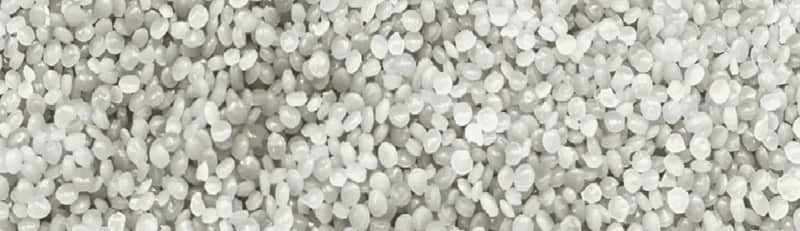
Mechanical recycling involves collecting, sorting, cleaning, shredding, and remelting plastic waste into new materials. It is currently the most widely used recycling method globally. advanced plastic recycling technologies
Advantages
- Lower energy consumption compared to chemical processes
- Established infrastructure and scalability
- Cost-effective for clean and homogeneous plastic streams
Limitations
- Polymer degradation over multiple cycles advanced plastic recycling technologies
- Limited ability to process mixed or contaminated plastics
- Frequent downcycling into lower-value applications
Downcycling vs Closed-Loop Recycling
Closed-loop recycling maintains material quality, such as bottle-to-bottle PET recycling. In contrast, downcycling produces lower-grade materials, reducing long-term circularity. advanced plastic recycling technologies
Chemical Recycling Technologies
Depolymerization & Solvolysis
These processes break polymers into their original building blocks, enabling high-quality material recovery.
Key approaches include:
- Microwave-assisted depolymerization, which accelerates reactions through targeted energy input
- Hydrolysis, commonly used for PET breakdown
- Chemolysis, including glycolysis and methanolysis
- Enzymatic depolymerization using biological catalysts
- Hydrochemolytic technology combining hydrogen and catalytic processes
- Direct PET conversion using advanced catalysts
Thermal Processes
Thermal technologies convert plastic waste into fuels or chemical feedstocks. advanced plastic recycling technologies
These include:
- Pyrolysis, which decomposes plastics in the absence of oxygen
- Advanced pyrolysis for plastic-to-plastic feedstock recovery
- Gasification, producing synthesis gas (syngas)
- Thermolysis at high temperatures
- Plasma pyrolysis using ionized gases
- Hydrogen plasma torch technology capable of extremely rapid conversion
Emerging Chemical Techniques
New approaches are expanding the capabilities of chemical recycling:
- Photocatalytic recycling using light-activated catalysts
- Mechanochemistry, where mechanical forces drive reactions
- Supercritical CO₂ processing under high pressure
- Electrochemical recycling powered by electricity
Biological and Enzymatic Recycling
Biological recycling methods offer low-energy alternatives, though they are still developing.
Main approaches include:
- Enzymatic recycling for selective polymer breakdown (notably PET)
- Microbial decomposition using bacteria and fungi
- Controlled biodegradation processes
Challenges
- Slow reaction rates
- Limited industrial scalability
- Sensitivity to environmental conditions
Solvent-Based and Dissolution Recycling
Process Overview
This method dissolves polymers using selective solvents, separating them from contaminants without breaking their molecular structure. advanced plastic recycling technologies
Applications
- Multilayer plastics
- Complex and mixed packaging materials
Advantages
- Preserves polymer integrity
- Removes additives, dyes, and impurities
- Suitable for complex waste streams
AI and Digital Innovations
Digital technologies are transforming recycling systems:
- AI-powered sorting increases accuracy and throughput
- Blockchain enables traceability and transparency in recycling chains
- Smart waste management systems optimize logistics and collection
European Commission initiatives highlight digitalization as a key enabler of circular economy targets.
Emerging Concepts and Innovations
Several innovative concepts are gaining attention:
- Reactive recycling, integrating chemical reactions during processing
- Newcycling, converting waste into higher-value materials advanced plastic recycling technologies
- Pyrowave technology using microwave-based depolymerization
- Microwave-assisted recycling to reduce energy use and processing time
Bioplastics and Bio-Based Alternatives
Biodegradable Plastics
These materials are designed to break down under specific conditions, typically industrial composting.
Bio-Based Materials
Produced from renewable resources such as biomass, these materials aim to reduce fossil fuel dependency.
Limitations
- Not always compatible with existing recycling systems
- Require specific disposal conditions
- Can contaminate traditional recycling streams advanced plastic recycling technologies
Comparative Analysis
Efficiency
- Mechanical recycling is highly efficient for clean streams
- Chemical recycling offers flexibility for mixed plastics
- Biological methods remain less efficient but promising
Environmental Impact
- Mechanical recycling has the lowest emissions advanced plastic recycling technologies
- Chemical processes are energy-intensive but improving
- Thermal methods typically have higher carbon footprints
Scalability
- Mechanical recycling is mature and widely deployed
- Chemical recycling is scaling rapidly
- Biological solutions remain limited in industrial use
Economic Feasibility
- Mechanical recycling is currently the most cost-effective
- Chemical recycling requires significant capital investment
- Emerging technologies are still in development phases
Conclusion
The future of plastic recycling will depend on integrating multiple technologies rather than relying on a single solution. Sorting remains the essential foundation, enabling all downstream processes to function effectively.
Advancements in chemical recycling, AI-driven systems, and biological approaches are reshaping the industry, supported by frameworks from organizations such as the OECD and the European Union. advanced plastic recycling technologies
Achieving a circular plastic economy will require coordinated efforts across policy, industry, and innovation ecosystems, alongside continued investment in scalable and sustainable technologies.
CEDO Polimero acquisition strengthens circular plastic recycling growth with 8 strategic benefits
More…