Aliplast Acquires 70% of Kronos Polymer Polska
Aliplast Kronos Polymer
Aliplast to Acquire 70% of Kronos Polymer Polska in Recycling Expansion
Aliplast is preparing to strengthen its polyethylene recycling operations in Poland through an agreement that will give the Hera Group subsidiary control of a newly established Polish recycling company.
The company’s Polish subsidiary, Aliplast Polska, has signed a binding agreement to acquire a 70% stake in Kronos Polymer Polska. The new business will be created through the separation of selected operations from Kronos Polymer, a Polish company specialising in polyethylene processing and recycling.
The transaction is intended to expand Aliplast’s local production capabilities while reducing the distance travelled by some plastic-waste and recycled-material flows.
A new recycling base in northern Poland
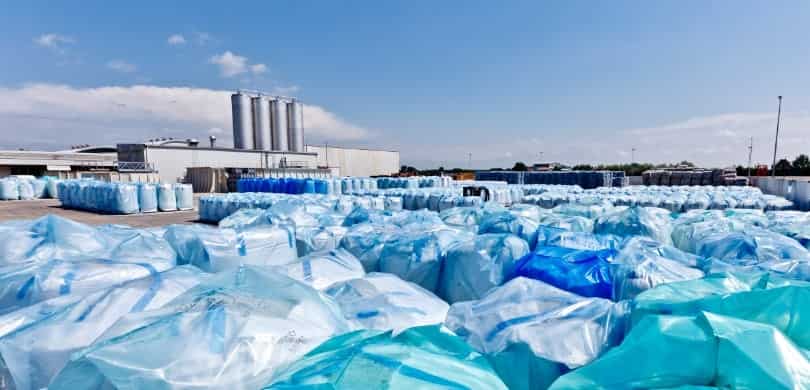
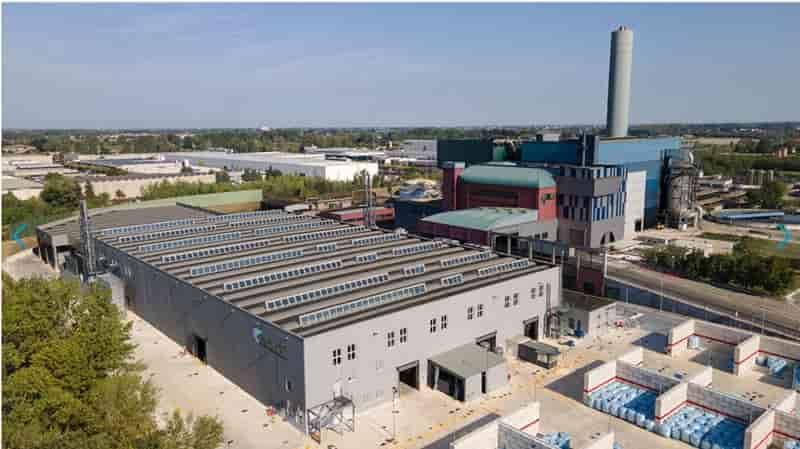
At the centre of the agreement is a recently developed industrial facility in Gniew, in Poland’s Pomeranian region.
Completed at the end of 2022 and operating since the first quarter of 2023, the site includes equipment for sorting, grinding and washing polyethylene. Its installed processing capacity is approximately 12,000 tonnes per year.
The plant is around 300 kilometres from Aliplast Polska’s existing operation in Tuszyn. Bringing recycling and material regeneration closer to the Polish market should help the company simplify logistics, manage local material flows more efficiently and improve control over its recycled feedstock.
The transaction therefore represents more than an increase in nominal capacity. It gives Aliplast a platform from which to develop a more integrated recycling operation in a market where it already has an established commercial and industrial presence.
Aliplast’s recycling capacity set to exceed 210,000 tonnes
Once the Polish investment and other projects under development are included, Aliplast expects its overall recycling capacity to more than double and exceed 210,000 tonnes annually.
The expansion also involves projects in Italy, including a rigid-plastics recycling facility in Modena and a new plant dedicated to low-density polyethylene, or LDPE, in Borgolavezzaro, in the province of Novara.
Together, these facilities are designed to give the company greater flexibility in handling different forms of plastic waste and producing recycled materials suitable for industrial applications.
The additional capacity could also strengthen cooperation among Aliplast’s European operations. The company already has activities in France, Spain and Poland, alongside its Italian production network.
Why Poland matters to Hera Group
The acquisition supports Hera Group’s strategy of expanding its environmental-services business beyond its traditional Italian market.
For Aliplast, Poland offers both an existing operational base and potential growth in demand for recycled plastics. Local processing capacity can become particularly important when manufacturers require reliable information about a material’s origin, treatment and technical characteristics.
Michele Petrone, chief executive of Aliplast, said the transaction would expand the company’s production capacity while supporting Hera Group’s focus on resource regeneration.
According to Petrone, a stronger position in Poland should also allow Aliplast to respond to the country’s developing demand for recycled plastic.
The deal is consistent with Hera Group’s 2029 business plan, which identifies resource regeneration and growth in environmental markets as strategic priorities.
Traceability and quality become more important
European recycling companies are no longer competing exclusively on the volume of material they can process.
Quality, traceability and consistency are becoming increasingly important, particularly when recycled polymers are intended to replace virgin raw materials in packaging or other demanding applications.
A local sorting and washing operation can give a recycler greater oversight of incoming waste streams and the processes used to prepare them. This can make it easier to document the origin and characteristics of the resulting material.
Such capabilities are becoming strategically relevant as packaging producers prepare for stricter European requirements covering recyclability, waste prevention and the use of recycled content. Aliplast Kronos Polymer
The PPWR changes the European packaging market
The expansion comes shortly before the general application of the EU Packaging and Packaging Waste Regulation, commonly known as the PPWR.
Regulation (EU) 2025/40 entered into force on February 11, 2025, and will generally apply from August 12, 2026. It covers packaging placed on the European market and introduces requirements relating to composition, recyclability, waste prevention and the use of resources.
The regulation is intended to reduce packaging waste and dependence on primary raw materials while supporting a more circular European economy.
Not all PPWR obligations or recycled-content targets take effect immediately in August 2026. Different provisions have separate implementation dates. Nevertheless, its general application is already encouraging packaging manufacturers and their suppliers to examine material choices, product design and access to traceable recycled polymers.
For recyclers, this transition creates an opportunity but also raises expectations. Producers will need material that is not merely recycled, but sufficiently consistent and documented for use in regulated supply chains.
An agreement still subject to closing conditions
The announcement does not mean that the acquisition has already been completed.
Closing remains subject to customary conditions. These include completing the corporate separation that will create Kronos Polymer Polska and transferring the necessary environmental permits to the new company.
Aliplast expects these steps to be completed by the end of 2026. Until the conditions are satisfied and the transaction closes, the 70% interest has not formally transferred to Aliplast Polska.
A broader European recycling strategy
The proposed acquisition illustrates how European recycling groups are positioning themselves for a market shaped by tighter regulation, demand for better-quality secondary materials and pressure to shorten industrial supply chains.
For Hera Group, the Polish facility would add capacity in a market where Aliplast already operates. For Kronos Polymer, the partnership offers access to a larger industrial network and Aliplast’s experience in recovering and transforming plastic waste.
The long-term value of the transaction will depend on the successful completion of the deal, the integration of the Gniew facility and the development of demand for recycled polyethylene.
However, the strategic direction is clear: Aliplast is building a broader European recycling network in which local processing, material traceability and production quality are as important as total capacity.
AI Recycling Sorting Upgrades France’s Firminy Facility
More…