Japan Lithium Recycling Reaches 90% Recovery
Japan lithium recycling
Japan’s Lithium Recycling Process Recovers More Than 90% From Used EV Batteries
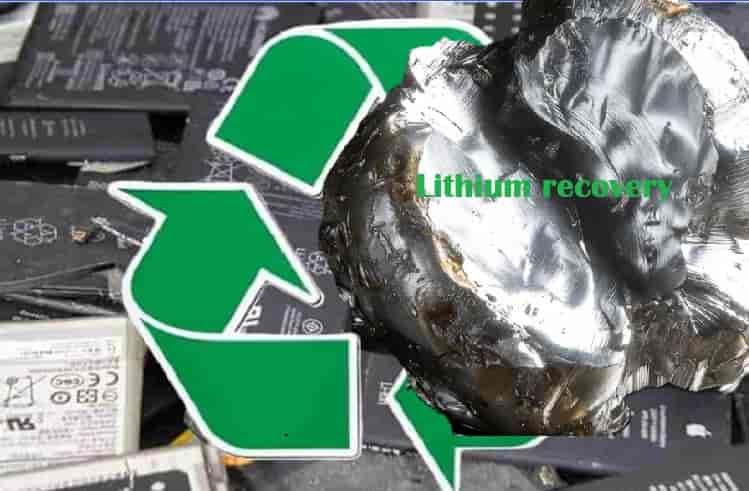
Japan is advancing a battery-recycling process capable of recovering more than 90% of the lithium contained in end-of-life electric-vehicle batteries.
Developed by JX Metals Circular Solutions, the process is intended to return lithium, nickel and cobalt to the battery supply chain rather than treating used batteries simply as hazardous waste.
The recovery figure is significant because lithium has traditionally been more difficult to extract efficiently than nickel or cobalt. JX Metals says its previous process recovered less than half of the available lithium.
The company also estimates that its improved method can reduce the process’s carbon footprint by approximately 40% compared with its conventional recycling system.
Key facts
-
The process recovers more than 90% of the lithium in used automotive batteries.
-
Recovered lithium is reused within the refining process.
-
Chemical consumption is reduced by replacing part of the newly supplied reagent.
-
JX Metals estimates a carbon-footprint reduction of about 40%.
-
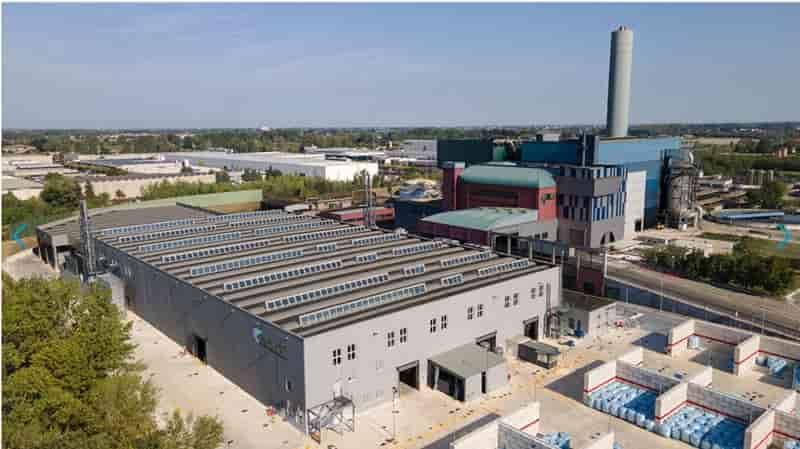
New equipment is being added at the company’s Tsuruga operation in Fukui Prefecture.
-
Demonstration operations are scheduled to begin during the second half of fiscal 2026.
Why Japan lithium recycling matters
The importance of the project extends beyond waste management.
Lithium, nickel and cobalt are essential inputs for many electric-vehicle batteries. Recovering these materials domestically can reduce the amount of newly mined material required and make battery supply chains less vulnerable to disruptions.
JX Metals has been working on lithium-ion battery recycling since 2009. Its Tsuruga operation forms part of a broader closed-loop strategy in which metals recovered from old automotive batteries are refined to a quality suitable for manufacturing new batteries.
This distinction is important. Producing a mixed material known as black mass is only an intermediate step. A genuinely circular battery supply chain also requires the extracted metals to be purified, tested and accepted again as battery-grade raw materials.
How the recovery process works
End-of-life batteries must first be collected, made electrically safe and prepared for processing.
Mechanical and thermal treatment can then separate casings and other components from the metal-bearing material. The resulting concentrated powder is commonly called black mass because of its dark appearance.
Black mass may contain lithium, nickel, cobalt, manganese, copper and graphite. Hydrometallurgical processing uses liquid chemical solutions to dissolve and separate these materials according to their chemical properties.
JX Metals’ improvement concerns the lithium-separation stage.
Instead of relying entirely on newly supplied chemicals, the company uses recovered lithium compounds during processing. More specifically, recovered lithium hydroxide can perform a role that would otherwise require another alkaline reagent.
This recirculation helps prevent lithium from being lost in secondary waste streams. It also reduces the quantity of additional chemicals entering the system.
JX Metals says the resulting process raises lithium recovery from below 50% to more than 90%. The company describes that result as being among the highest recovery levels currently achieved for this type of recycling.
The 40% carbon reduction needs context
The reported 40% reduction does not mean that every battery made with recycled lithium automatically has a 40% smaller total carbon footprint.
JX Metals calculated the reduction for its recycling process using the combined mass of the recovered lithium, nickel and cobalt. The comparison is with the company’s previous process, rather than with the complete lifecycle of a new EV battery.
Even with that qualification, lowering chemical use and improving material recovery can deliver two benefits at the same time.
The plant can obtain more usable material from each processed battery while reducing the environmental burden associated with producing that material.
Independent lifecycle studies are still needed to compare the process consistently with alternative recycling technologies and with lithium obtained from primary mining.
A proven process must still be scaled
The 90% figure represents a technological result, not yet proof that the same performance can be maintained across every battery chemistry and at unlimited industrial volume.
Battery packs vary considerably. They may use nickel-manganese-cobalt cathodes, lithium iron phosphate chemistry or other formulations. Their condition also differs according to age, manufacturer, accident damage and previous use.
These differences affect dismantling, safety procedures, processing costs and the commercial value of the recovered material.
JX Metals is therefore installing the new process at the existing Tsuruga facility for further demonstration. According to the company’s published schedule, operations using the additional equipment are expected to begin in the second half of fiscal 2026.
The project is supported by Japan’s New Energy and Industrial Technology Development Organization through the Green Innovation Fund.
Collection may be harder than chemistry
High recovery efficiency only creates meaningful supply if sufficient numbers of batteries reach approved recycling facilities.
Collecting EV batteries is more complicated than collecting ordinary household waste. Packs are large, heavy and capable of retaining dangerous electrical energy. Damaged lithium-ion batteries can also create fire risks during storage and transportation.
Before recycling, operators must identify the battery, assess its condition, discharge it safely and determine whether it should be reused, repaired or processed for material recovery.
Standardised battery information, traceable ownership and clear producer responsibilities can therefore be as important as the extraction technology itself.
Japan is expanding its wider resource-circulation activities through JX Metals Circular Solutions, a joint venture established by JX Metals and Mitsubishi Corporation. The business covers end-of-life automotive batteries as well as metals recovered from discarded appliances and electronic equipment.
How the process compares with other recycling claims
Recovery percentages should be compared carefully.
Some recycling companies publish combined recovery rates for several battery materials. Others provide separate figures for lithium, cobalt and nickel. Results may also refer to laboratory trials, demonstration plants or full commercial operations.
A claim of 95% recovery for valuable battery metals is not necessarily equivalent to recovering 95% of the lithium alone.
The significance of the JX Metals process is that it specifically addresses lithium losses while reducing reagent consumption. Its broader importance will depend on whether the technology maintains its performance at commercial scale and produces material that battery manufacturers can repeatedly use.
Recycling can strengthen mineral security
Battery recycling will not eliminate the need for mining in the near term. The number of electric vehicles and energy-storage installations is still increasing, while many batteries will remain in service for years before becoming available for recycling.
Recycled material can nevertheless become an increasingly valuable secondary supply.
Unlike fossil fuels, metals are not consumed when a battery delivers energy. Lithium, nickel and cobalt can be extracted, purified and used again, provided that the recovery process is technically effective and economically sustainable.
For countries that rely heavily on imported battery materials, domestic recycling can function as a form of strategic resource infrastructure.
It can also reduce exposure to concentrated refining markets, volatile commodity prices and international transport disruptions. Japan lithium recycling
What happens next
The most important milestone will be the operation of the upgraded equipment in Tsuruga.
The industry will need evidence showing that the process can:
-
maintain lithium recovery above 90% under continuous operation;
-
process batteries with different chemistries and conditions;
-
consistently produce high-purity, battery-grade materials;
-
reduce emissions across the complete recycling lifecycle;
-
operate at a commercially sustainable cost;
-
secure a reliable supply of end-of-life batteries.
If those conditions are met, the project could help move battery recycling away from basic waste treatment and toward genuine closed-loop manufacturing.
Japan’s achievement is therefore best viewed as a major process improvement rather than a complete solution to the battery-waste problem.
The chemistry is becoming more efficient. The next challenge is building the collection networks, industrial capacity and market demand needed to make that efficiency matter.
Frequently asked questions
What is Japan’s lithium recovery rate from used EV batteries?
JX Metals Circular Solutions says its new process can recover more than 90% of the lithium contained in end-of-life automotive lithium-ion batteries.
Where is the recycling process being installed?
The new equipment is being added to the existing JX Metals Circular Solutions operation in Tsuruga, Fukui Prefecture, Japan.
When will the upgraded recycling equipment begin operating?
JX Metals plans to begin operating the additional process equipment during the second half of fiscal 2026.
How does the process reduce chemical use?
The system recirculates recovered lithium compounds, including lithium hydroxide, within the extraction process. This reduces the need for newly supplied reagents and limits lithium losses.
Does the process reduce carbon emissions?
JX Metals estimates that the process reduces its carbon footprint by approximately 40% compared with the company’s conventional recycling method. This estimate applies to the recovery process for lithium, nickel and cobalt, not to the complete lifecycle of an electric vehicle.
Can recovered lithium be used in new EV batteries?
That is the objective of closed-loop battery recycling. The recovered material must first meet strict purity and performance requirements before battery manufacturers can use it in new cells.
Sources and methodology
This article was prepared using JX Metals’ official technical announcement, company information about the Tsuruga recycling operation and current reporting published on July 15, 2026. Claims that could not be confirmed through primary or dependable supporting sources were excluded or qualified.
ReCAM Project Secures £3 Million to Revolutionise UK Lithium-Ion Battery Recycling
More…