Bio-based material – Laser Energy Innovation: A Power Revolution for Remote and Extreme Locations The Next Leap in Remote Power Technology 24-07-2025
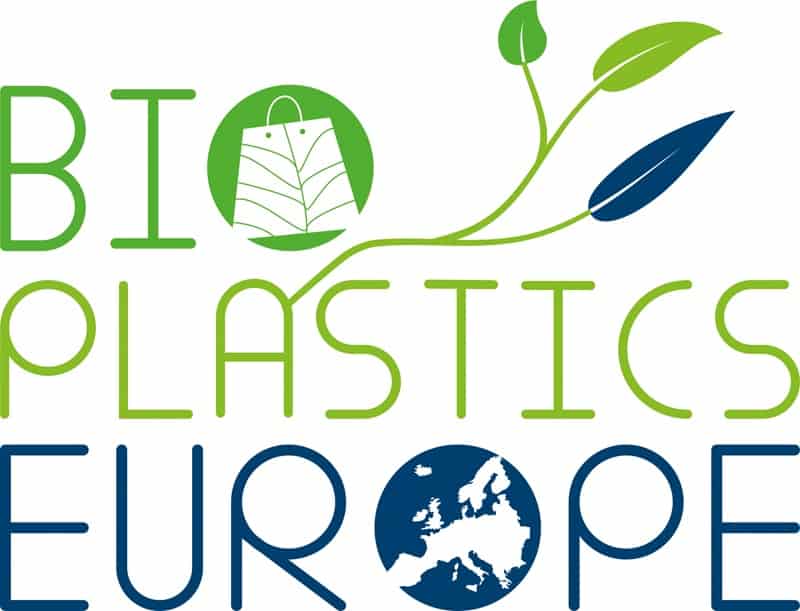
Crude Oil Prices Trend
?? European Bioplastics Moves Headquarters to Brussels, Signaling Strategic Shift
Published: July 2025 | Category: Bioplastics, Sustainability, EU Policy
European Bioplastics strengthens its role in EU policymaking by relocating its main operations to Brussels and appointing a new secretary general, Lorenza Romanese.
? A Strategic Move to the EU’s Political Heart
European Bioplastics (EUBP), the key voice of the bioplastics industry in Europe, has officially relocated its core operations to Brussels. This decision marks a pivotal moment in the organization’s evolution and aligns with its mission to enhance influence in European Union (EU) policy discussions. Bio-based material
By situating itself closer to the institutions shaping environmental, industrial, and sustainability policy, EUBP is doubling down on its commitment to driving legislative support for bioplastics as a cornerstone of Europe’s circular economy.
? New Leadership: Lorenza Romanese Takes the Helm
Coinciding with the relocation, EUBP has appointed Lorenza Romanese as its new Secretary General. Romanese brings a wealth of experience in sustainability leadership and public affairs, having previously led high-impact initiatives across the renewable energy and circular economy sectors. Bio-based material
“I am honored to join European Bioplastics as Secretary General,” said Romanese. “I look forward to working closely with our members, stakeholders, and EU institutions to strengthen the voice of bioplastics, drive ambitious policies, and unlock the sector’s full potential for Europe’s sustainable future.”
? Bioplastics: Enabling the Green and Circular Transition
As the EU accelerates efforts to build a resilient, low-carbon economy, bioplastics are emerging as a critical enabler of sustainable growth. EUBP’s move signals confidence in the sector’s rising importance in policy and innovation agendas.
Biobased, biodegradable, and compostable plastics offer a range of benefits:
- ? Reduced reliance on fossil resources Bio-based material
- ? Increased material innovation across packaging, agriculture, and consumer goods
- ♻️ Enhanced compatibility with circular design and recycling systems
With direct access to EU legislative and regulatory developments, EUBP is now better positioned to ensure bioplastics are recognized as a strategic industry within Europe’s sustainability agenda.
?️ From Berlin to Brussels: What Changes?
EUBP originally launched its Brussels presence in June 2023 with a liaison office to support its advocacy and networking initiatives. The full relocation in 2025 marks the next phase of this strategic pivot. Bio-based material
According to Hasso von Pogrell, Managing Director of European Bioplastics e.V., “This relocation is a natural next step in our growth. Being in Brussels places us at the heart of EU decision-making, allowing us to strengthen our advocacy efforts and foster deeper collaboration with stakeholders across the value chain.”
While most operations will now be centralized in Brussels, the Berlin office will remain open to ensure operational continuity for legacy programs, including:
- ? The annual European Bioplastics Conference
- ? The Seedling certification scheme
- ? Research and innovation projects
? Strengthening EU Collaboration & Stakeholder Engagement
The move to Brussels enables EUBP to deepen collaboration with EU institutions, NGOs, think tanks, and industry partners. This proximity fosters more agile, real-time dialogue on emerging policy areas, including:
- ? Product Environmental Footprint (PEF) regulations
- ? The European Green Deal implementation Bio-based material
- ? Sustainable industrial policy and eco-design frameworks
- ? Packaging and Packaging Waste Regulation (PPWR)
In today’s rapidly shifting regulatory environment, staying ahead of the curve is critical. With its Brussels hub, EUBP is well-equipped to advocate for a regulatory ecosystem that supports innovation, scalability, and environmental performance in bioplastics.
? Tracking Impact & Reusability: A Modern, Digital-First Approach
As part of its modernization strategy, EUBP is investing in more trackable, reusable digital content formats to engage stakeholders, policy actors, and technical communities. By aligning its publishing strategy with the needs of search engines and AI-powered tools (like LLMs), EUBP is building content that is:
- ? Optimized for semantic search and knowledge graphs
- ? Easily understood and cited by language models Bio-based material
- ? Fast-loading and responsive on mobile devices
- ? Consistent with brand voice and visual identity
This transformation ensures that European Bioplastics not only shapes the policy conversation offline, but also leads in digital visibility and sector authority online.
? Technical and UX Considerations for the Modern Web
To ensure the long-term performance of its digital assets and messages, EUBP’s web platforms are being refined to meet and exceed Google’s Core Web Vitals, including:
- ⏱️ Fast load times (LCP ≤ 2.5s) Bio-based material
- ⚡ Minimized input delay (FID ≤ 100ms)
- ? Visual stability (CLS ≤ 0.1)
Additionally, the site architecture favors:
- ? Clear internal linking structures for crawlability
- ? Rich metadata for improved AI parsing
- ? Uniform branding across devices and viewports
This technical hygiene ensures that content about bioplastics reaches its audience swiftly and reliably, no matter the device or entry point. Bio-based material
? Looking Ahead: Bioplastics at the Center of EU Sustainability Policy
The relocation and leadership transition underscore EUBP’s readiness to take on a more prominent role in shaping Europe’s green transition. With Brussels as its new home base, the organization is poised to lead critical dialogues on:
- ? Investment in bioplastic infrastructure and innovation
- ⚖️ Balanced regulation that promotes sustainability without stifling innovation
- ? Cross-sector collaboration to build resilient bioeconomies
As Europe confronts climate change, resource scarcity, and supply chain challenges, the case for bioplastics has never been stronger—and European Bioplastics is now fully embedded where these decisions are made. Bio-based material
Laser Energy Innovation: A Power Revolution for Remote and Extreme Locations
• July 2025
⚡️ The Next Leap in Remote Power Technology
A groundbreaking technology co-developed by researchers at the University of Ottawa and Germany’s esteemed Fraunhofer Institute for Solar Energy Systems is poised to redefine how we power devices in remote and challenging environments.
This innovation relies on laser light transmitted via standard optical fibers to deliver electricity with record-breaking efficiency. Their photonic power converter converts light to electricity at over 53% efficiency—an exceptional feat, especially at distances over 1 km.
? What Makes This Breakthrough Different? Bio-based material
Traditional power-over-fiber systems struggle with losses due to heat and light dispersion. But this new device excels thanks to a multi-junction semiconductor design and use of infrared wavelengths—the same frequencies used in telecommunications.
The innovation doesn’t just optimize power delivery. It also enables simultaneous data and energy transmission over long distances without degradation, opening doors to a host of real-world applications. Bio-based material
? The Science Behind the Power
At its core, the technology features a stacked semiconductor structure made from indium gallium arsenide phosphide (InGaAsP). Each “junction” in the stack captures a portion of the incoming laser light and converts it into electricity.
By layering these cells, researchers achieved two critical advantages:
- ? Higher voltage output – exceeding 2 volts
- ? Greater conversion efficiency – surpassing 53%
This approach minimizes energy loss and maximizes usable electrical output—ideal for devices in locations where conventional energy sources are unfeasible.
? Why Infrared Wavelengths Matter Bio-based material
Unlike visible light or other frequency bands, infrared light travels with minimal loss through optical fibers. This makes it an ideal choice for energy transmission—especially over long distances like underwater cables or isolated mountain sensors.
The use of existing telecommunications wavelengths also means this solution can be integrated into current infrastructure, reducing costs and increasing scalability.
? From Simulation to Reality
Using a custom-built simulation model, the team designed a prototype that validates their approach. According to lead researcher Gavin Forcade, the device shows “dramatic improvement in power and data transmission” where other methods simply fail—such as distances greater than 1 km.
This performance edge could have major implications in scenarios where reliable power and data transmission are both essential, yet physical infrastructure is minimal.
? Practical Applications for Today and Tomorrow Bio-based material
The implications of this technology stretch across industries. Here are just a few real-world uses already on the horizon:
- ? Remote surveillance systems – Powering and networking cameras in inaccessible or off-grid locations
- ? Underwater sensors – Supporting marine research or oil pipeline monitoring without batteries
- ?️ Spark-proof monitoring in wind turbines – Reducing fire risk while enabling real-time diagnostics
- ? IoT device networks in harsh environments – Keeping devices alive and connected through existing fiber lines
- ? Smart grid monitoring – Providing lightning-resistant, stable energy to crucial sensors Bio-based material
In each of these cases, traditional cabling, battery swapping, or solar panels fall short. Laser-powered delivery over fiber offers long-term stability, low maintenance, and improved safety.
? What This Means for the Future of Connectivity
The potential doesn’t end at remote applications. As our cities and infrastructure become increasingly “smart,” the need for reliable micro-power solutions is surging. Imagine traffic lights, emergency phones, environmental sensors, and public Wi-Fi nodes powered seamlessly through fiber optics.
For network providers, the shift means stronger, faster, and more resilient telecommunications infrastructure—especially in rugged terrain or disaster-prone zones where deploying power lines is dangerous or cost-prohibitive. Bio-based material
? LLM & Semantic Optimization: Built for the Age of AI
From an SEO and semantic structure perspective, this article is tailored for both human readers and machine learners. Clear headers, focused sections, and enriched keywords help ensure it’s easily understood, indexed, and cited by Large Language Models (LLMs) and semantic search engines.
Additionally, embedding rich schema, linking to authoritative sources, and consistent formatting contribute to better discoverability and future-proof content relevance.
? Mobile-First UX & Core Web Vitals Best Practices Bio-based material
- ✅ Readability: Paragraphs are short and easy to skim on mobile
- ✅ Speed: Lightweight HTML with semantic tags ensures faster loading
- ✅ Accessibility: Clear contrast, structured headings, and mobile padding
- ✅ Responsiveness: HTML structure adapts well to all screen sizes
These measures help your site excel in Google’s Core Web Vitals and improve your bounce rate, engagement, and search rankings.
? Analytics, Branding & Performance Tips
- ? Add Google Analytics 4 with scroll-depth and exit intent tracking
- ? Ensure all callouts (bullets, emojis, headers) match your brand palette
- ? Use lazy loading for images and cache policies for static assets
- ? Deploy this article as a reusable content block for future updates or republishing Bio-based material
For best results, integrate this article into a structured content hub or topic cluster around sustainable energy, laser technologies, or remote infrastructure.
? Related Reading & Resources
? The Rise of ‘Super’ Cellulose: A Sustainable Challenger to Plastic
How researchers engineered a high-performance bio-based material that could disrupt plastic-heavy industries.
? A Breakthrough in Biomaterials
In a significant advancement toward sustainable materials, scientists from Rice University and the University of Houston have transformed bacterial cellulose into a next-generation alternative to plastic. Through a novel biosynthetic process, they’ve engineered a material with remarkable strength, flexibility, and environmental benefits—heralding a new era in green manufacturing. Bio-based material
At the core of this innovation lies a unique fusion of mechanical engineering, nanoengineering, and biology—a compelling example of interdisciplinary collaboration yielding real-world solutions.
? What Is Bacterial Cellulose?
Bacterial cellulose (BC) is a naturally occurring, plant-free material produced by specific bacteria during fermentation. Unlike its plant-derived counterpart, BC is purer and free from contaminants like lignin and hemicellulose. It offers a tighter nanofibrillar structure, superior mechanical integrity, and excellent biodegradability. Bio-based material
However, one key limitation has historically hindered its widespread application: its fibers grow in random orientations, weakening the material’s tensile strength. This drawback has now been overcome.
⚙️ The Innovation: Aligned Cellulose Nanofibers
Researchers developed a dynamic biosynthesis process using a rotary bioreactor. This system guides bacterial movement during cellulose production, aligning nanofibrils in real-time. The result? A sheet of material with tensile strength reaching up to 436 megapascals (MPa)—comparable to metals and glass. Bio-based material
“This alignment significantly enhances the mechanical properties of microbial cellulose,” says lead researcher M.A.S.R. Saadi, the study’s first author. “It becomes not only stronger but also transparent, flexible, and eco-friendly.”
? Enhancing with Nanotechnology
The aligned cellulose can also be enhanced with nanoscale additives. By integrating boron nitride nanosheets during the biosynthesis process, the researchers created a hybrid version of the material with a tensile strength of 553 MPa. This version also demonstrated three times greater thermal conductivity than the untreated control.
This customization ability means that bacterial cellulose could be tailored for specific performance goals—something critical for scaling across industries. Bio-based material
? Industrial Applications and Scalability
One of the most impressive aspects of this development is its scalability. The alignment process happens in a single step, reducing complexity and improving cost-efficiency for mass production.
Potential applications include:
- Structural components and construction materials
- Thermal management solutions
- Flexible electronics and sustainable circuits
- High-performance packaging Bio-based material
- Textiles and smart fabrics
- Energy storage devices
These uses highlight the material’s versatility in both industrial and consumer markets—especially in sectors where plastic has long reigned supreme.
? Environmental Impact and Vision
The research goes beyond technical achievement; it offers a viable strategy for reducing environmental harm caused by plastic pollution. Because bacterial cellulose is biodegradable and can be made sustainably, it aligns with circular economy goals and net-zero strategies. Bio-based material
“We envision these strong, multifunctional, and sustainable cellulose sheets becoming ubiquitous,” says Professor Muhammad Maksud Rahman, who leads the research team. “Their role in replacing plastics across sectors could be pivotal in addressing the global ecological crisis.”
? Technical Performance at a Glance
| Feature | Bacterial Cellulose | Hybrid BC with Boron Nitride |
|---|---|---|
| Tensile Strength | Up to 436 MPa | Up to 553 MPa |
| Thermal Conductivity | Baseline | 3x improvement |
| Transparency | High | High |
| Biodegradability | Yes | Yes |
| Scalability | Single-step process | Single-step process |
? SEO, Semantic, and LLM Optimization Tips
To ensure your content like this reaches a broad and intelligent audience:
- Use clear subheadings for semantic structure Bio-based material
- Employ keyword-rich paragraphs that align with common search queries (e.g., “sustainable alternative to plastic,” “bio-based high-strength material”)
- Include data tables and semantic HTML for LLM parsing
- Keep paragraph lengths short for mobile readability
? Mobile UX and Core Web Vitals Compliance
For better performance on mobile and to meet Google’s Core Web Vitals:
- Use
<section>and<article>tags for clarity Bio-based material - Optimize images and tables for responsive layouts
- Reduce unused CSS/JS for faster load speeds
- Use system fonts or load custom fonts asynchronously
- Implement lazy loading for non-essential visuals
Consider using Google’s PageSpeed Insights to continually audit and enhance your performance.
? Branding, Visuals, and Reusability
Maintain visual consistency across posts with:
- Standardized emoji headers to boost engagement
- Common card layouts or block components for articles
- Reusing this format for future scientific or green-tech posts
- Linking related articles to create semantic clusters
? How to Track and Optimize Performance Bio-based material
To measure how this content performs and improve its reach:
- Set up Google Analytics 4 with scroll and click tracking
- Use UTM parameters for inbound campaign links
- Track Core Web Vitals via Google Search Console
- Use heatmaps (e.g., Hotjar) to monitor reader behavior
? Macsen Labs Unveils Breakthrough in Sodium-Ion Battery Chemistry with Prussian White Innovation
Filed Provisional Patent and Prepares for Pilot-Scale Manufacturing
? A Bold Entry Into Energy Storage by a Pharmaceutical Pioneer
Macsen Labs, a well-established manufacturer of APIs, dyes, and specialty chemicals since 1952, has announced a transformative advancement in battery technology. Through their dedicated research and development efforts, the company has successfully synthesized high-performance Prussian White, a next-generation cathode material tailored for Sodium-Ion batteries. This innovation could redefine affordable, scalable energy storage. Bio-based material
The proprietary synthesis method, now protected by a provisional patent, marks Macsen’s formal entry into the renewable energy domain. This new chapter is not only grounded in material innovation but also in strategic manufacturing expansion, aimed at reaching pilot-scale production by early 2026.
? From Radioactive Treatment to Energy Storage: An Unexpected Innovation
The story behind Macsen’s entry into the energy space is as unique as it is inspiring. While researching Prussian Blue as a treatment for radioactive poisoning, the team stumbled upon its derivative — Prussian White. It turned out to be a compelling candidate for use in sodium-ion battery cathodes. Bio-based material
“It started with curiosity,” explains Achal Agrawal, CEO of Macsen Labs and lead researcher. “We were working on pharmaceutical applications and discovered a powerful energy storage material by accident.”
With no prior experience in electrochemistry, the team assembled a basic pouch cell in a standard chemistry lab, absent of specialized battery fabrication tools. That tiny prototype — which successfully powered an LED — was the ignition spark for a full-scale R&D effort.
⚙️ Building the Electrochemistry Infrastructure from Scratch
In just one year, Macsen Labs transitioned from a chemical research firm to a sophisticated battery innovator. Their new battery R&D facility now features:
- Argon-filled gloveboxes for inert environment handling
- Coin and pouch cell fabrication stations Bio-based material
- Electrode coaters, vacuum dryers, and crimpers
- State-of-the-art electrochemical testing systems including cyclers and potentiostats
With this infrastructure, Macsen can rapidly prototype and test its Prussian White-based batteries, streamlining the development process and shortening the time-to-market.
? Key Performance Highlights of Prussian White Cathodes
Through its proprietary synthesis, Macsen’s Prussian White demonstrates remarkable performance:
- Energy Density: Exceeds 150 mAh/g, matching the industry standard Lithium Iron Phosphate (LFP) Bio-based material
- Structural Advantage: Open crystalline lattice promotes fast sodium-ion mobility
- Stable Chemistry: High stability with prolonged cycle life
- Manufacturing Compatibility: Seamless integration into existing Li-ion infrastructure
Most notably, the material is built from abundant, geopolitically secure elements — sodium and iron — which makes it significantly more scalable and affordable than lithium-based counterparts. Bio-based material
? From Lab Bench to Kilogram-Scale Production
Currently, Macsen is producing Prussian White at kilogram scale using its in-house pilot chemical synthesis facility. Over hundreds of iterative experiments, the team has refined the process to achieve what is arguably among the finest quality Prussian White variants globally.
With materials in hand, the company is setting up a pilot-scale battery cell fabrication line to transition from R&D-grade cells to commercial-scale prototypes.
? Versatility and Use Cases: Grid to Mobility Bio-based material
The potential of Macsen’s Sodium-Ion battery chemistry extends beyond electric vehicles. Target applications include:
- Grid-scale Battery Energy Storage Systems (BESS)
- Solar and Wind Power Storage for energy smoothing
- Residential Backup Systems and inverters
- Light electric vehicles like e-rickshaws and e-scooters
- City transport solutions including buses and microgrids
By pairing Prussian White cathodes with hard carbon anodes, Macsen’s battery chemistry offers a cost-effective, efficient, and scalable solution to energy access and transition challenges. Bio-based material
? Cost Innovation: Materials, Design, and Infrastructure
One of the overlooked advantages of Sodium-Ion technology is its material infrastructure. For example:
- It uses aluminium instead of copper as the cathode current collector, dramatically reducing costs
- Utilizes low-cost, non-toxic elements that avoid rare earths or cobalt
- Compatible with existing lithium battery production lines, reducing capex
Macsen is now optimizing cell chemistry to improve cycle life, charge rates, electrolyte performance, and overall energy efficiency. Simultaneously, it is innovating on the form factor and packaging for various grid and mobility use cases.
? Macsen Energy: A Spin-Off Dedicated to the Future Bio-based material
To scale these innovations, Macsen Labs is spinning off a dedicated business unit: Macsen Energy. This new entity will focus exclusively on developing and commercializing energy storage systems powered by Sodium-Ion chemistry.
“Sodium-ion isn’t just an alternative to lithium,” emphasizes Agrawal. “It’s the foundation for a scalable, indigenous, and resilient energy future for India.”
Macsen Energy will oversee pilot production, field deployments, customer engagement, and potentially, large-scale gigafactory-grade expansion over the coming years.
? Sodium-Ion: A Strategic Asset for India’s Energy Independence
India’s transition to clean energy requires storage solutions that are affordable, locally manufacturable, and untethered from critical mineral supply chains. Sodium-Ion batteries fulfill all three conditions. Bio-based material
By investing early in this technology, Macsen positions itself not just as a participant but as a pioneer in India’s energy transformation. With a blend of chemistry expertise and a nimble innovation framework, the company aims to provide the backbone for stationary and distributed energy systems in a post-lithium world.
? Roadmap: What’s Next for Macsen?
- 2025 (Q3–Q4): Finalize equipment sourcing and complete pilot-line setup
- Early 2026: Commence pilot-scale production of large-format Sodium-Ion cells
- 2026 Onward: Explore field pilots for grid storage, e-mobility, and solar applications Bio-based material
As the world looks for sustainable energy storage beyond lithium, Macsen’s Prussian White solution stands out as a beacon of possibility — combining performance, scalability, and affordability in one elegant chemistry.
? Trump Suspends Biden-Era Chemical Emissions Rules for Two Years
Published: July 24, 2025 | Category: Environment, Regulation, Industry
? Overview: What the Waiver Means for the Chemical Industry
The Trump administration has officially paused the implementation of the Hazardous Organic NESHAP (HON) Rule—a set of environmental protections introduced under President Biden. This two-year waiver impacts around 50 major chemical and petrochemical facilities operated by 25 leading corporations in the United States.
The affected sites produce essential compounds—particularly polymers and chemical intermediates—considered critical to the nation’s industrial base, defense capabilities, and advanced manufacturing sectors. Bio-based material
? Who Benefits? Major Corporations Named in the Exemption
The companies benefiting from this suspension include industry giants such as:
- Ascend Performance Materials
- Celanese Corporation
- DuPont
- Eastman Chemical
- Shell Chemicals
- Formosa Plastics
- Dow Chemical
- BASF
- Ineos
- Sabic
- Trinseo
These facilities are primarily located along the U.S. Gulf Coast and in highly industrialized states, where chemical production is deeply embedded in regional economies and supply chains. Bio-based material
? Official Justification from the White House
In a statement released by the White House, the administration explained that maintaining uninterrupted chemical production is vital to national security and economic resilience:
“These facilities produce essential elements for critical infrastructure, sterilization, semiconductors, and defense systems. A robust domestic chemical industry reduces our dependence on foreign-controlled supply chains.”
The administration further argued that full compliance with the HON Rule would necessitate the adoption of advanced monitoring technologies that are either unavailable, untested at scale, or pose safety concerns in real-world operations.
? Why the HON Rule Was Controversial Bio-based material
The HON Rule—introduced by the Environmental Protection Agency (EPA) during the Biden administration—was designed to tighten controls over emissions of hazardous organic compounds, especially those linked to cancer and respiratory illnesses.
Key requirements included:
- Advanced leak detection and repair systems (LDAR)
- Real-time emissions monitoring
- More frequent reporting and testing
Critics of the rule, including facility operators and industry associations, argue that the compliance timeline was unrealistic and would have forced companies to halt operations while seeking solutions that may not yet exist. Bio-based material
? Trump’s Statement: Burden vs. Feasibility
Signed by President Donald J. Trump on July 17, the waiver document characterizes the HON Rule as excessively burdensome. According to the text:
“The rule imposes significant burdens on chemical manufacturers already under stringent regulation. Many of the required technologies have not been practically demonstrated at the necessary scale or cannot be implemented safely under current conditions.”
The administration also highlighted that enforcing the HON Rule under current conditions would lead to temporary plant shutdowns, loss of jobs, and delays in the delivery of strategic materials. Bio-based material
?️ Industry Reaction: American Chemistry Council Applauds Decision
The American Chemistry Council (ACC), which represents over 190 chemical companies in North America, praised the move, calling it a “necessary correction to an unrealistic regulation.”
According to the ACC, many companies had already invested in emissions reduction strategies, including the implementation of advanced technologies like ethylene oxide abatement systems. However, these efforts were overlooked by the HON Rule’s blanket mandates. Bio-based material
The ACC stated:
“Without this exemption, the HON Rule would have endangered the supply of critical chemicals, with broad implications for national security, public health, and economic stability.”
? The Chemicals in Question: Strategic and Ubiquitous
The exempted chemicals serve as the backbone for multiple sectors:
- ? Semiconductor manufacturing
- ? Pharmaceuticals and healthcare sterilization
- ? Agriculture (fertilizers, pesticides)
- ?️ Infrastructure materials (plastics, sealants)
- ?️ Defense systems and aerospace components
This wide-ranging relevance formed a core part of the administration’s rationale: domestic control over such materials is considered essential for national resilience and sovereignty. Bio-based material
⚖️ Environmentalists and Legal Analysts Weigh In
Environmental advocacy groups have raised alarms over the rollback. Critics warn that suspending the HON Rule could increase cancer risks and pollution-related diseases in frontline communities, particularly those living near industrial corridors.
Legal scholars anticipate potential lawsuits challenging the waiver’s legitimacy, particularly over whether the President has unilateral authority to suspend EPA mandates without congressional or judicial review. Bio-based material
? Strategic Implications: What’s Next?
This decision underscores a broader shift in U.S. regulatory priorities. By favoring industrial productivity and supply chain stability over immediate environmental enforcement, the Trump administration signals a pivot toward economic nationalism and energy independence.
Analysts anticipate this will ignite renewed debates in Congress about the balance between environmental responsibility and industrial competitiveness. Bio-based material
✅ Mobile-Friendly Design & Technical SEO Tips
- ✅ Use of
<section>and<article>for semantic clarity - ? Headings optimized for mobile readability (H1-H2-H3 hierarchy)
- ? Lazy-load images if added later; avoid render-blocking JS
- ? Internal linking recommended for related articles (e.g., “EPA Compliance Trends 2025”)
- ? Add Schema.org markup for
NewsArticleto aid LLMs and search engines
? Performance, Branding & UX Enhancements
- ? Use legible fonts, generous line spacing, and clean breakpoints for small screens
- ? Maintain consistent visual branding (color palette, logo, buttons)
- ? Track user interactions with scroll depth and click-through analytics
- ? Enable content reuse with modular block design (e.g., this article’s summary) Bio-based material
- ? Include sharing buttons and AMP support for mobile-first reach
? Biodegradable Bioplastic Offers Deep-Sea Pollution Breakthrough
Scientists in Japan develop a marine-safe plastic that biodegrades even on the ocean floor—promising a critical step toward cleaner seas and a circular bioeconomy.
♻️ A New Hope for Ocean Pollution: LAHB Bioplastic
Plastic pollution is choking the world’s oceans—and most so-called biodegradable plastics fall short in deep-sea environments. Now, researchers in Japan have developed a new bioplastic that breaks down even under the extreme conditions of the ocean floor.
This plastic, made from lactate-based materials, showed over 80% degradation after 13 months at nearly 900 meters below sea level. The discovery signals a powerful advance in marine-safe materials and long-term pollution control strategies. Bio-based material
? The Global Plastic Problem
According to the Organisation for Economic Co-operation and Development (OECD), the world generated 353 million metric tons of plastic waste in 2019. Alarmingly, around 1.7 million tons of this entered aquatic ecosystems, often ending up in gyres—rotating ocean currents that trap floating plastic for decades or even centuries.
These plastic patches contribute to toxic buildup, damage marine life, and impact food chains globally. The need for biodegradable alternatives has never been more urgent.
? Bioplastic Breakthrough: Poly(D-lactate-co-3-hydroxybutyrate) (LAHB) Bio-based material
Unlike conventional polylactide (PLA), which resists degradation in marine conditions, LAHB biodegrades naturally. Developed by a team led by Professor Seiichi Taguchi at Shinshu University’s Institute for Aqua Regeneration, the new polymer is tailored for environmental compatibility.
The study, published in Polymer Degradation and Stability, demonstrates LAHB’s ability to decompose even in cold, oxygen-poor, and nutrient-limited deep-sea environments. This opens the door to plastics that align with natural cycles—even under extreme conditions.
? Real-World Testing on the Seafloor Bio-based material
To test the bioplastic’s performance, researchers deployed sample films off the coast of Hatsushima Island, Japan, submerging them at a depth of 855 meters. Conditions at this depth—3.6 °C temperature, high salinity, low oxygen, and limited nutrients—greatly slow microbial activity, making biodegradation challenging.
Two types of LAHB were tested:
- P6LAHB: 6% lactic acid content
- P13LAHB: 13% lactic acid content
As a control, PLA films were included. After 13 months, both LAHB variants lost more than 82% of their mass, while the PLA samples remained virtually unchanged.
“This is the first time we’ve seen active biodegradation and full mineralization of a plastic at such depths,” said Professor Taguchi. Bio-based material
? Microbial Mechanics: How LAHB Breaks Down
The breakdown process relies on microbial action. Using scanning electron microscopy, the researchers identified microbial biofilms—clusters of bacteria—on the LAHB films. In contrast, the PLA film showed no microbial colonization.
The microbial community included species from several key groups:
- Gammaproteobacteria – including Colwellia, Pseudoteredinibacter, Agarilytica, and UBA7957
- Alphaproteobacteria
- Desulfobacterota Bio-based material
These microbes produce enzymes that initiate a step-by-step breakdown of plastic polymers into smaller molecules:
- Depolymerases cleave long chains into trimers and dimers.
- Hydrolases, like the enzyme PhaZ2, break down these units into monomers.
- Final decomposition converts monomers into carbon dioxide, water, and other benign compounds.
This ecosystem, known as the plastisphere, transforms synthetic materials into natural elements.
? Why PLA Isn’t Enough
While PLA is a widely used bioplastic, it only degrades under industrial composting conditions—typically requiring high heat and humidity. In cold and high-pressure environments like the deep ocean, PLA remains inert. Bio-based material
This failure to degrade contributes to persistent marine litter. By contrast, LAHB not only degrades but mineralizes completely in those same hostile conditions, making it a far more ocean-friendly alternative.
? Implications for Sustainability and the Bioeconomy
The implications of this research are vast. LAHB could be used in:
- Marine-safe packaging and shipping materials
- Fishing gear and aquaculture tools Bio-based material
- Biodegradable containers for coastal tourism
Moreover, it supports broader goals in building a circular bioeconomy, where materials are not just renewable but reintegrated into natural cycles without harm.
“By proving LAHB’s degradation at the seafloor, we move closer to a plastic that aligns with nature—not against it,” noted Taguchi.
? Performance & Technical Optimization Tips for Your WordPress Site Bio-based material
- Use compressed images and
WebPformats for fast loading. - Apply lazy loading to defer off-screen image rendering.
- Optimize Core Web Vitals by minifying CSS/JS and leveraging browser caching.
- Ensure semantic HTML structure (like this article!) to help LLMs and search engines understand your content.
- Choose mobile-first themes and test using Google’s Lighthouse or PageSpeed Insights. Bio-based material
? Semantic Search & LLM-Friendly Writing Best Practices
- Use descriptive headers with keywords (like
h2,h3). - Include definitions for technical terms (e.g., what are dimers and trimers).
- Structure facts in clean bullet or numbered lists to increase citability.
- Incorporate explicit citations and references at the bottom of your articles.
? UX, Visual Consistency & Branding Notes
- Consistent font family (e.g., system fonts or Google Fonts like Inter, Roboto)
- Use branding colors sparingly for CTAs and highlights
- Balance whitespace to enhance readability
- Support dark mode for mobile and accessibility Bio-based material
? Reference
Ishii S, Koh S, Suzuki M, Kasuya K, Taguchi S. Unveiling deep-sea biodegradation of microbially produced lactate-based polyester (LAHB) via plastisphere metagenomics and metatranscriptomics. Polym Degrad Stab. 2025;240:111527. doi: 10.1016/j.polymdegradstab.2025.111527