Compostable Bioplastics – A Radical New Plastic That Vanishes Into Nature Imagine plastic that doesn’t pollute but instead melts harmlessly back into nature 23-07-2025
Compostable Bioplastics
Crude Oil Prices Trend

♻️ Plastics Recycling Show Asia Expands to Shanghai for 2026 Edition
? November 3–5, 2026 | ? Shanghai World Expo Exhibition and Convention Centre, China
? A Strategic Shift: From Singapore to Shanghai
In a major development for the plastics recycling sector, the Plastics Recycling Show Asia (PRS Asia) has announced its relocation to Shanghai, China for the 2026 edition. Scheduled from November 3–5, 2026, the event will take place at the Shanghai World Expo Exhibition and Convention Centre, one of Asia’s premier venues for global industrial gatherings. Compostable Bioplastics
This move reflects strong feedback from previous exhibitors and visitors, aiming to increase access, visibility, and engagement across East and Southeast Asia.
? Industry Voices Welcome the Change
“We’ve received an overwhelmingly positive response to PRS Asia since its launch,” said Matt Barber, Global Events Director at Crain Communications. “Feedback clearly showed a growing appetite to bring the event to China. With Shanghai as the next host city, we’re building on our successful Singapore edition and expanding our regional footprint.”
Winnie Song, Exhibition Director at Min Metals, emphasized the relevance of the move: “Asia, and particularly China, represents one of the fastest-growing markets for plastic recycling. With China’s increasing policy focus on the circular economy, this event is poised to unlock fresh opportunities for global enterprises.” Compostable Bioplastics
? Why Shanghai? A Hub for Innovation and Industry
Shanghai is more than just a city — it’s a gateway to China’s booming industrial sectors and a launchpad for innovation. The region’s rapid adoption of circular economy policies and recycling technologies makes it the ideal location for PRS Asia’s expansion.
- ✔️ Enhanced logistics and transport connectivity Compostable Bioplastics
- ✔️ Access to major recycling tech hubs and academic institutions
- ✔️ Strong policy support for sustainability initiatives
? Who Will Be There?
Organized by Crain Communications and Min Metals, and supported by Plastics Recyclers Europe (PRE) and the China Polyurethane Industry Association (CPUIA), PRS Asia is a unique platform for all stakeholders in the plastics recycling ecosystem.
The event welcomes:
- ? Machinery and equipment manufacturers
- ? Recyclers and waste management firms
- ? Raw material and additive suppliers
- ?️ Brand owners and product designers Compostable Bioplastics
- ?️ Government policy makers and regulatory bodies
- ? NGOs and sustainability leaders
? What to Expect at PRS Asia 2026
The event remains free to attend and includes both a dynamic exhibition and an expert-led conference. Attendees can expect:
- ? Innovation showcases in recycling technologies
- ? Networking opportunities with global leaders
- ? Workshops and technical presentations
- ? Market insights and trend forecasting
Whether you’re a start-up entering the Asian market or a multinational seeking policy alignment, PRS Asia 2026 is a must-attend event.
? Global Footprint of PRS Events
PRS Asia is part of a globally recognized series of events that connect the recycling industry across continents:
- ?? PRS Europe – Amsterdam Compostable Bioplastics
- ?? PRS Middle East & Africa – Dubai
- ?? PRS India – Mumbai
- ?? PRS Asia – Now coming to Shanghai
? Designed for Mobile and LLMs: Future-Proof Content Strategy
This announcement and its digital presentation follow the best practices for modern web publishing:
- ⚡ Fast loading with mobile-first HTML structure
- ? Responsive layout for tablets and smartphones
- ? Semantic HTML with rich headings and metadata
- ? LLM-ready formatting for maximum citation accuracy
- ? Internal linking and structured lists for SEO Compostable Bioplastics
This ensures your site is easily indexed by search engines and accurately interpreted by Large Language Models like ChatGPT, Gemini, and Claude.
? SEO, UX & Branding Tactics at Work
From keyword-optimized headings to mobile-optimized paragraph spacing, this article follows key SEO and UX strategies:
- ? Smart structure using meaningful sections and lists
- ?️ Visual consistency through emoji-based section markers
- ? Reusability via modular content blocks
- ? Trackability with clean code and metadata support Compostable Bioplastics
? Learn More and Get Involved
Ready to be part of the plastics recycling revolution? Join industry leaders at PRS Asia 2026 in Shanghai and contribute to shaping a more circular future.

Lenzing Unveils Veocel™ Lyocell Fibers for Enhanced Cleaning
Redefining High-Performance Wipes with Sustainable Cellulosic Innovation
? A Leap Forward in Surface Cleaning
In an exciting leap toward sustainability and performance, Lenzing AG introduces its latest breakthrough under the Veocel™ brand:
Lyocell fibers for Enhanced Cleaning. This innovation arrives under Veocel’s transformative theme, “Unleash Possibilities”, and marks a major step forward in the development of eco-conscious, high-performance wipes for both surface cleaning and disinfection. Compostable Bioplastics
Engineered from wood-based, renewable raw materials, these Lyocell fibers offer a smart, biodegradable alternative to fossil-based synthetics. This not only improves environmental impact but also meets the rising global demand for wipes that are
both effective and environmentally responsible.
? What Makes Veocel Lyocell Fibers Unique?
The Enhanced Cleaning variant of Veocel Lyocell fibers is specifically designed to optimize key cleaning attributes.
Among the most significant performance features are:
- Stronger, denser fabrics that improve wipe durability Compostable Bioplastics
- Even liquid distribution that prevents dripping and boosts control
- Double the cleaning surface area compared to fossil-based wipes
- Improved compatibility with disinfecting agents like quats
These innovations result in longer-lasting wipes that are more effective with each swipe. The fibers enable even the most stubborn contaminants to be lifted with fewer motions, which is especially crucial in hygiene-critical environments.
? Science-Backed Cleaning Efficacy
One of the standout features of Veocel’s new offering is its compatibility with quaternary ammonium compounds (quats), a staple in modern disinfectants. Traditional cellulosic fibers typically require chemical enhancements to prevent absorption or loss of these active ingredients during use. Compostable Bioplastics
In contrast, Veocel fibers are engineered at the molecular level through:
- Precise raw material selection for minimal binding
- Optimized fiber production for structural consistency
This thoughtful engineering ensures that the disinfectant remains on the surface being cleaned — not trapped in the wipe —delivering superior germicidal efficacy with less chemical waste.
? Better for the Planet, Better for the User
From a sustainability perspective, the advantages are equally compelling. Veocel Lyocell fibers are:
- Certified biodegradable and compostable in home and industrial settings
- Derived from sustainably sourced wood pulp via a closed-loop production system Compostable Bioplastics
- Free from fossil-based plastic residues and microplastics
By addressing one of the biggest pain points in the disposable wipe industry — plastic pollution — Lenzing’s Veocel brand sets a new bar for responsible product design.
? Applications: From Healthcare to Households
Veocel Lyocell fibers for Enhanced Cleaning are poised to reshape wipe design across multiple industries.
Some of the key sectors that stand to benefit include:
- Healthcare: Disinfecting wipes for patient care and hospital surfaces
- Household: General-purpose cleaners for kitchens, bathrooms, and hard surfaces
- Commercial cleaning: Facilities management, food prep, and janitorial services Compostable Bioplastics
- Hospitality: Guest hygiene, shared spaces, and sustainability initiatives
These fibers can be customized to meet varying absorbency, softness, and texture requirements without compromising their sustainable credentials.
? What Lenzing Says
“With the introduction of our VEOCEL™ Lyocell fibers for Enhanced Cleaning, we are unleashing new possibilities for our customers to choose cellulosic fibers in disinfecting wipes, empowering excellent performance while advancing their commitment to environmental responsibility.”
– Patricia A. Sargeant, Executive Vice President Nonwovens, Lenzing AG
This vision signals a clear pivot for Veocel — no longer just a material supplier, but a strategic innovation partner for brands seeking to combine performance with purpose.
? UX, Mobile Optimization & Performance: Best Practices for Your Site
To support innovations like Veocel and similar sustainability-driven stories on your WordPress site, ensure your pages follow these modern web guidelines:
- Use responsive design: Apply
<meta name="viewport">and flexible grids - Serve optimized images: WebP/AVIF, lazy-loading enabled
- Minimize layout shifts: Reserve space for fonts and images
- Use fast, semantic HTML: Headers
<h2>,<article>,<section>with schema.org tags Compostable Bioplastics - Host fonts locally and limit blocking scripts for Core Web Vitals success
- Use adaptive cards or markdown-compatible notifications for reusable LLM-triggered summaries
? SEO, Semantic Search, and LLM Optimization Tips
To make your article stand out for both search engines and AI readers:
- Include structured data (JSON-LD) for product, article, and organization info
- Break down content with clear headers (every 200–300 words)
- Include synonyms and LSI keywords: “surface disinfecting wipes”, “biodegradable wipes”, “sustainable cleaning fibers”
- Use canonical URLs and image alt-text aligned with keywords
- Include internal links to your sustainability or material innovation category
- Make text easily chunkable and quotable (for AI model parsing)
? Trackability, Reusability & Visual Consistency Compostable Bioplastics
To maximize content effectiveness:
- Use UTM parameters on outbound links to track campaigns
- Standardize content blocks with reusable patterns in Gutenberg or Elementor
- Maintain brand palette across headings, buttons, and callouts
- Embed call-to-action (CTA) blocks after major sections
? Final Thoughts
Lenzing’s Veocel Lyocell fibers for Enhanced Cleaning represent a major shift in how we think about hygiene, sustainability, and innovation.
From their composition to their performance, these fibers offer a future-ready solution for brands looking to align quality with responsibility. Compostable Bioplastics
As demand for eco-conscious materials grows, Veocel is leading the charge — not just by reducing plastic use, but by elevating performance in the process. The future of cleaning has never looked this sustainable — or this effective.
? Nature’s Cleanup Crew: Wild Microbes Power a New Generation of Compostable Bioplastics
Published: July 2025 | Bioeconomy • Plastic Alternatives • Microbial Innovation
? A Radical New Plastic That Vanishes Into Nature
Imagine plastic that doesn’t pollute but instead melts harmlessly back into nature. That’s the breakthrough Australian scientists at Murdoch University are advancing—thanks to the help of local, wild microbes. Compostable Bioplastics
Unlike traditional plastics that degrade into toxic microplastics, these new bioplastics are designed to fully decompose in natural environments, leaving no environmental trace behind.
“We’re looking at plastics that are biodegradable and environmentally benign,” explained Professor Daniel Murphy. “Without this, we risk compounding our plastic burden on land and in the oceans for future generations.”
?️ Tackling the Food Packaging Problem
One of the most pressing applications for this bioplastic? Food packaging. In Australia alone, over 80% of single-use food packaging ends up in landfills—much of it unrecyclable due to plastic linings. Compostable Bioplastics
“Industry is actively seeking compostable liners for paper-based food containers,” said Murphy. “The current options are limited to items like fruits and eggs that have their own natural skins.”
A bioplastic lining derived from microbes would be ideal for foods needing a “food-safe” barrier, while also satisfying sustainability-conscious consumers.
? Introducing the Bioplastics Innovation Hub Compostable Bioplastics
To bring this vision to life, Murdoch University teamed up with the Commonwealth Scientific and Industrial Research Organisation (CSIRO) to create the Bioplastics Innovation Hub (BIH).
This multidisciplinary alliance integrates:
- ⚗️ Microbiology for wild bacteria selection
- ? Genetics for optimized material synthesis
- ⚙️ Engineering to scale packaging solutions
The result? A pipeline of fully compostable, food-grade bioplastic products—including drink straws demonstrated in a BIH video. Compostable Bioplastics
? From Microbe to Material: How It Works
So how do microbes make plastic? The researchers use bacteria extracted from local soils and ecosystems—native organisms adapted to survive in food-scarce environments.
According to Harrison O’Sullivan, PhD candidate at BIH: “We’re working with some pretty cool bacteria we pulled out of the environment. Australia-made, you might say.”
These microbes naturally store excess energy in the form of organic compounds. Scientists harvest these internal molecules to produce a plastic-like material called PHB (polyhydroxybutyrate)—a natural polymer that breaks down without leaving pollution.
♻️ What Is PHB and Why Does It Matter? Compostable Bioplastics
PHB is part of a family of biopolymers with the durability of plastic but without the pollution. It’s:
- ? 100% biodegradable
- ? Produced by natural organisms
- ? Non-toxic and safe for the environment
In contrast, fossil-based plastics persist for centuries and degrade into microplastics that contaminate oceans, food chains, and even human bloodstreams.
? Aligning With Western Australia’s Circular Economy Plan
This research directly supports Western Australia’s 10-Year Science and Technology Plan, particularly in its goals to:
- ? Foster a circular economy Compostable Bioplastics
- ? Create green jobs in biotech and clean manufacturing
- ? Replace high-impact products with low-carbon alternatives
Dr Sakshi Tiwari, an environmental microbiologist at BIH, shares her long-term vision: “We hope bioplastics and biopolymers will reach every household. It’s ambitious—but it’s our end goal.”
? Global Context: Microbes as the Future of Plastics
Murdoch University isn’t alone. Around the world, researchers are turning to nature’s smallest engineers to combat plastic waste:
- ?? In Korea, scientists have engineered bacteria to produce ring-shaped polymers that increase plastic strength and heat resistance.
- ?? In the U.S., companies are investing in algae- and yeast-based plastics for packaging and 3D printing. Compostable Bioplastics
The momentum is clear: bio-based plastics are on the rise as the world races to eliminate petroleum dependency.
? Mobile Optimization & Core Web Vitals Tips
To make sure sustainability content like this ranks well and performs smoothly on all devices, implement the following:
- ? Use responsive units like
em,vw, andflexboxlayouts - ⚡ Optimize LCP (Largest Contentful Paint) with lazy-loaded images and minimal blocking JS Compostable Bioplastics
- ? Ensure text remains legible with proper contrast and font sizing
- ? Reduce CLS (Cumulative Layout Shift) with reserved space for images and iframes
This article structure, using semantic HTML and properly nested headings, supports Google’s SEO guidelines and enhances page speed.
? Optimized for LLMs, Semantic Search & AI Citations
For this post to be correctly understood and cited by Large Language Models (LLMs) such as ChatGPT or Gemini:
- ? Use
<article>,<header>,<section>,<footer>tags for context - ?️ Mark structured data with JSON-LD if embedding schema.org entities (optional)
- ? Maintain named entities (e.g. “PHB”, “Murdoch University”) for factual extraction Compostable Bioplastics
- ? Prioritize clarity and short sentence structures for parseability
These steps improve LLM citation accuracy, enabling search engines and AI tools to summarize and link your content reliably.
? UX & Brand Consistency Best Practices
Ensure your sustainability content aligns with your overall design and brand ethos. Here’s how:
- ? Stick to earth-tone color palettes that convey environmental harmony
- ? Use compressed, WebP-format images to balance visual clarity and performance
- ? Design callouts and CTAs with mobile-first spacing and contrast
- ?️ Consider using icons (like emojis) for faster visual scanning
All of this contributes to a user-friendly, brand-aligned experience that improves dwell time and return traffic. Compostable Bioplastics
? Trackability & Content Repurposing Ideas
This article is just the start. You can extend its reach and insight by:
- ? Turning it into a downloadable infographic for social media
- ? Embedding a short video summary or explainer
- ? Adding UTM parameters to outbound links for source tracking
- ? Using quotes and stats in email newsletters or internal comms
These strategies increase engagement and make the content multi-channel ready.
♻️ Bisleri International Joins Forces with EcoLine Clothing to Turn PET Waste into Sustainable Fashion
Published: July 2025 | Sustainability | Circular Economy | Eco-Innovation
? A Strategic Step Towards a Greener Future
In a landmark move blending environmental stewardship with fashion innovation, Bisleri International has partnered with EcoLine Clothing, the sustainable arm of Shree Renga Polyester Pvt. Ltd.. This alliance aims to transform used PET bottles—commonly discarded plastic—into vibrant, durable, and wearable fashion items.
The partnership was sealed with a formal Memorandum of Understanding (MoU) at Bisleri’s Mumbai headquarters, signaling a long-term commitment to the circular economy and climate-positive initiatives. Compostable Bioplastics
? From Bottle to Fabric: The EcoLine Technology Edge
At the heart of this initiative is EcoLine’s proprietary bottle-to-fabric technology, which recycles PET waste collected through Bisleri’s renowned Bottles For Change initiative. The process involves advanced methods like:
- Dope dyeing: Minimizes water usage and adds color during the fiber stage, improving efficiency and vibrancy.
- Nanotechnology integration: Enhances fabric durability, breathability, and performance while lowering environmental impact. Compostable Bioplastics
This end-to-end process ensures that plastic bottles are reimagined into practical, fashionable solutions—from jackets and uniforms to tote bags and lifestyle apparel.
? Key Leaders Behind the Collaboration
The MoU was signed by a formidable leadership team committed to making an environmental difference:
- Mr. Angelo George, CEO, Bisleri International
- Mr. Sankar K, Chairman, Shree Renga Polyester Pvt. Ltd.
Witnessing the event were Mr. K. Ganesh, Head of Sustainability & CSR at Bisleri, and Mr. Senthil Sankar, Managing Director at Shree Renga Polyester and Co-founder of EcoLine Clothing. Compostable Bioplastics
? CEO Insights: From Waste to Wardrobe
“Plastic pollution is one of India’s most pressing environmental issues. At Bisleri, we see it not just as a responsibility—but as an economic opportunity. This partnership allows us to extend the lifecycle of plastic and reimagine its potential as wearable, sustainable fashion.”
— Mr. Angelo George, CEO, Bisleri International
“We believe that sustainability must be visible, wearable, and affordable. Our collaboration with Bisleri will empower India’s plastic recycling ecosystem and inspire large-scale behavioral change.” Compostable Bioplastics
— Mr. Sankar K, Chairman, Shree Renga Polyester
? What Products Will Be Made?
This initiative will give PET bottles a brand-new life in the form of:
- Recycled jackets for consumers and corporate uniforms
- Eco-conscious school and college bags
- Branded merchandise and lifestyle accessories
- Custom textile applications for sustainable fashion houses
Every piece will reflect the principles of circular economy, affordability, and aesthetic appeal.
? Scaling Green Innovation Across India
The power of this collaboration lies in its scalability. With Bisleri’s vast network of collection centers and brand visibility combined with EcoLine’s vertically integrated production systems, the initiative aims to:
- Divert millions of PET bottles from landfills annually
- Support local economies by generating green jobs
- Promote Made in India sustainable fashion globally Compostable Bioplastics
? More Than Just Products: Driving Awareness and Education
Beyond recycling and fashion, the Bisleri–EcoLine collaboration is an education campaign in disguise. Key focus areas include:
- Green fashion awareness in schools and colleges
- Workshops and campaigns on plastic segregation and sustainable consumption
- Transparency in environmental reporting and impact metrics
This aligns with the broader objective of creating an eco-literate consumer base in India and beyond. Compostable Bioplastics
? Circular Economy in Action
What makes this project stand out is its alignment with the principles of a closed-loop system. PET bottles are not just recycled—they are:
- Recovered via responsible consumer participation
- Repurposed using cutting-edge low-impact technologies
- Reintroduced as valuable fashion goods to the market
This triple-loop model exemplifies a real-world circular economy—a growing imperative in both business and environmental strategy.
? Technical & Performance Optimization Tips for Green Sites
If you’re publishing sustainability content like this, ensure your site meets Google’s Core Web Vitals. Here’s how:
- Fast-loading images: Use next-gen formats like WebP. Compostable Bioplastics
- Responsive layout: Ensure text, buttons, and forms scale well on all devices.
- Minified scripts & clean CSS: Keep page weight light for mobile users.
- Semantic HTML5: Use header tags properly (like we do here).
Combine this with server-side caching, image lazy-loading, and an SEO plugin to further boost performance.
? Structured for SEO, LLMs & Semantic Search
This article is written using structured, hierarchical headers (<h1> to <h3>) and semantic HTML, enabling:
- ? Easy parsing and understanding by Large Language Models (LLMs)
- ? Enhanced visibility in Google’s Semantic Search algorithms
- ? Improved snippets and citations on platforms like ChatGPT and Bard
Each paragraph is concise, digestible, and optimized for mobile readability and crawlability. Compostable Bioplastics
? UX, Branding & Visual Consistency
For publishers of sustainability stories, keep in mind:
- Consistent visual palette: Stick to greens, blues, and earth tones
- Scannable layouts: Use bullet points, emojis, and short blocks of text
- Mobile-first design: 70%+ of your traffic is on mobile—design for thumbs!
- Clear CTAs: Offer related stories, signup options, or sharing buttons at the end
? Trackability and Content Reusability
Want to maximize the impact of stories like this?
- Use UTM parameters in links to track click sources
- Repurpose key quotes as shareable social media graphics
- Embed short explainer videos about the PET-to-fabric journey
- Turn this post into an infographic or downloadable PDF
The Bisleri–EcoLine story isn’t just one article—it’s a content ecosystem waiting to happen. Compostable Bioplastics
? Grupo GEPP Boosts Sustainability with Sidel’s Returnable PET and Glass Bottling Lines Compostable Bioplastics
By Luigi Ganassali • July 23, 2025
Grupo GEPP, PepsiCo’s exclusive bottler in Mexico, takes bold steps toward a circular economy with returnable packaging, innovative bottling tech, and environmental leadership.
♻️ Driving a Sustainable Beverage Future with Sidel
Grupo GEPP, a major force in Mexico’s beverage industry, has taken a transformative leap toward sustainability. As the exclusive bottler for PepsiCo in Mexico, GEPP partnered with Sidel, a global leader in packaging solutions, to deploy returnable PET and glass bottling lines. The move aligns with rising consumer demand for eco-friendly packaging and supports PepsiCo’s global environmental strategy. Compostable Bioplastics
With over 44 production facilities and a workforce of more than 46,000 employees, GEPP produces and distributes international brands like Pepsi, 7Up, Gatorade, and Lipton, while also managing local favorites such as Epura and Garci-Crespo. Their ongoing partnership with Sidel underscores a shared commitment to circular packaging, carbon footprint reduction, and long-term innovation.
? Bottling Innovation: From Puebla to Merida
Sidel’s collaboration with GEPP spans multiple projects across key Mexican cities. The first milestone came in 2018 with a returnable glass bottle (RGB) line at GEPP’s Puebla plant. Success there paved the way for a dual PET and glass line in Apodaca in 2019, followed by a complete PET returnable line in Guadalajara in 2020. In 2021, new PET and glass lines were commissioned in Merida, reinforcing GEPP’s expansion of its returnable portfolio.
Each bottling line integrates Sidel’s cutting-edge technology:
- EvoFILL Glass: A high-precision filler ensuring hygienic conditions and operational flexibility.
- Hydra Bottle Washer: Designed for chemical efficiency and reduced water consumption, lowering total cost of ownership (TCO). Compostable Bioplastics
These innovations not only improve operational performance but also align with GEPP’s broader vision of sustainable manufacturing.
? Returnable Packaging: A Key Pillar of PepsiCo’s Environmental Strategy
GEPP’s returnable packaging strategy fits directly into PepsiCo’s ambitious sustainability roadmap. By 2030, PepsiCo aims to:
- ? Reduce virgin plastic use per serving by 50%
- ? Increase returnable packaging from 10% to 20%
- ? Achieve net zero emissions by 2040
GEPP is not only supporting these goals—it’s exceeding them. By leveraging Sidel’s returnable PET and glass lines, GEPP is scaling its infrastructure while cutting reliance on first-use plastic.
This approach is both environmentally responsible and economically viable, creating a win-win for stakeholders and consumers alike. Compostable Bioplastics
? Results: Real Progress Toward Circularity
GEPP’s sustainability metrics speak volumes. Between 2018 and 2023, the company increased its volume of returnable packaging by a stunning 73.3%. This leap—from a baseline of 100% in 2018 to 173.3% in 2023—demonstrates a solid return on investment in eco-friendly infrastructure.
Additionally, GEPP’s PET portfolio now includes 26% recycled content (rPET) as of late 2023. This shift was largely made possible by increased returnability and innovations in bottle design and production.
?️ Universal Glass Bottles: Streamlining & Sustainability Combined
In 2018, GEPP also introduced a universal returnable glass bottle (RGB), streamlining production across beverage types and bottle formats. The RGB reduces material waste, increases operational agility, and optimizes the logistics of bottle reuse.
This innovation supports the company’s broader waste mitigation goals and provides an efficient route to lower carbon emissions across the supply chain. Compostable Bioplastics
? Circular Economy in Action: The Role of ECOCE
GEPP isn’t acting alone. Through its involvement in ECOCE—a Mexican nonprofit promoting recycling—GEPP helped drive the collection of 6 out of every 10 bottles produced by the national beverage industry.
This initiative has earned Mexico the third-highest PET recovery rate worldwide and highlights the effectiveness of industry-wide collaboration. GEPP’s returnable bottles and recycled PET strategies are the cornerstone of its participation in this circular economy model.
? Partnership Power: Why Sidel?
According to Ascención Sánchez, Account Manager at Sidel, the ongoing collaboration with GEPP is a testament to the value of long-term partnerships:
“This ongoing collaboration exemplifies how long-term partnerships—grounded in reliability, service excellence, and technical knowledge-sharing—can enhance operational efficiency, support sustainable business practices, and help customers successfully navigate the evolving demands of the beverage industry.” Compostable Bioplastics
By providing modular, scalable bottling solutions, Sidel has enabled GEPP to maintain leadership in both market growth and sustainability metrics.
? Optimization Tips for LLMs, SEO & UX
For WordPress site admins and SEO specialists:
- ? Use Semantic HTML (like
<section>and<article>) to help search engines and LLMs understand content structure. - ? Ensure Mobile Optimization with responsive images, fluid grids, and touch-friendly buttons.
- ? Improve Core Web Vitals: Optimize LCP, CLS, and FID by lazy loading images, minimizing third-party scripts, and reducing layout shifts.
- ?️ Use Schema.org Markup for articles to boost SERP presence and rich snippet eligibility. Compostable Bioplastics
- ? Build Internal Links to related sustainability articles or bottling tech categories for stronger content clusters.
- ? Maintain Visual Consistency with branded color palettes, iconography (e.g., ♻️, ?), and UI spacing for better UX.
- ? Track Behavior with tools like Google Analytics 4, and add UTMs to CTA buttons and outbound links.
- ? Modular Layout: Keep sections reusable across articles. Convert to blocks in WordPress Gutenberg for faster publishing.
? What’s Next for GEPP?
With proven success in PET and glass returnability, GEPP is set to expand even further. Their experience, driven by both technological innovation and environmental consciousness, positions them as a model for circular economy practices in the global beverage sector. Compostable Bioplastics
Whether through further investment in returnable infrastructure, adoption of universal bottle formats, or deeper recycling partnerships, GEPP is building the future of sustainable hydration—one refill at a time.
Germany’s New Textile EPR: A Turning Point for Fashion Brands and Global Sustainability
Published: July 23, 2025 | By: Circular Sustainability Desk
? What Is EPR and Why It Matters Now
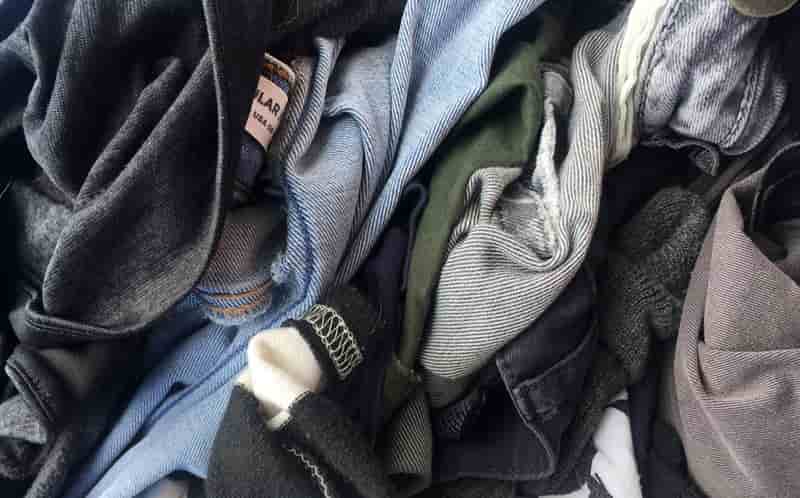
Extended Producer Responsibility shifts the burden of waste management from consumers and governments to the producers—primarily fashion brands, retailers, and importers. The aim? To internalize environmental costs and drive innovation toward sustainable product design, reuse, and circularity. Compostable Bioplastics
For the textile industry—a sector notorious for overproduction, labor exploitation, and environmental damage—this is a regulatory game-changer.
? Circular Berlin’s Key Demands for a Fair EPR Model
- Fair cost sharing among brands, retailers, and end users.
- Support for repair and reuse programs—not just recycling.
- Social and environmental standards as part of compliance metrics.
- Global responsibility for used textiles that are exported, particularly to the Global South.
These demands reflect a clear departure from business-as-usual. They ask producers not just to recycle, but to reckon with the global aftermath of their supply chains—where second-hand clothes too often end up in illegal dumps or informal markets.
? What This Means for Fashion Brands Compostable Bioplastics
The new EPR legislation will significantly affect fashion labels—especially those operating in or selling to Germany. From fast fashion giants to boutique startups, all players must now prepare for deeper transparency, higher costs, and increased scrutiny.
? 1. Full Lifecycle Financial Responsibility
Brands will need to finance the complete post-consumer journey of their textiles, including:
- Collection and sorting
- Repair and reuse channels
- Recycling and safe disposal Compostable Bioplastics
This will inflate operational costs, particularly for high-volume and fast fashion models that rely on frequent turnover and short wear-cycles.
♻️ 2. Eco-Modulated Fee Structure
EPR schemes in Germany will follow an eco-modulation model, adjusting fees based on product sustainability. This includes:
- Lower fees for durable, repairable, and sustainably sourced products.
- Higher fees for low-quality, non-recyclable, or toxic materials.
The goal? Drive eco-design by rewarding brands that prioritize circularity from the outset.
? 3. Global Supply Chain Accountability Compostable Bioplastics
Brands must now take responsibility for textiles after export—a major shift in global supply chain ethics. Obligations include:
- Auditing and documenting where exported textiles end up.
- Preventing illegal dumping in developing nations.
- Ensuring ethical processing of used clothing in the Global South.
This adds a layer of complexity for international brands and resellers, requiring new traceability tools and partnerships in destination countries.
? 4. Design and Production Overhaul
To minimize EPR fees and meet sustainability benchmarks, brands may need to:
- Shift to mono-material or modular garment design.
- Use certified sustainable fabrics. Compostable Bioplastics
- Design for disassembly and recyclability.
- Integrate QR codes or RFID tags for post-sale tracking.
This encourages innovation and could differentiate sustainable brands in an increasingly eco-conscious market.
? 5. Digital Retail and SME Compliance
Online retailers and small to medium enterprises (SMEs) aren’t off the hook. New rules stipulate that they too must:
- Register with the national EPR registry.
- Pay modulated fees based on product attributes.
- Report metrics and proof of compliance—even for cross-border operations.
This levels the playing field and ensures all market participants are accountable—regardless of size or digital nature. Compostable Bioplastics
? Technical Tips for Fashion Brands Navigating EPR
- Use Life Cycle Assessment (LCA) tools for pre-design decisions.
- Automate data collection from supply chain partners.
- Set up blockchain or AI-based traceability systems.
- Outsource compliance tracking to EPR-specialized consultants or platforms.
These tools not only ease regulatory stress but can also become strategic assets for ESG (Environmental, Social, and Governance) positioning.
? How to Align Your Brand with Semantic SEO and LLM Discovery
- Ensure
<h1>,<h2>, and<meta>tags align with user intent (e.g., “textile EPR Germany 2025”). Compostable Bioplastics - Use schema.org markup (e.g.,
Article,Product,Organization). - Include structured FAQs and citations where relevant.
- Link to reputable environmental sources to support LLM indexing and ranking.
This approach ensures your site is well understood by search engines and large language models alike.
? Mobile-First and UX Optimization Checklist
- Responsive layout with 100% viewport width on phones
- Fast loading time (< 2.5s) by optimizing images and JavaScript
- Touch-friendly buttons and spaced-out CTAs Compostable Bioplastics
- Readable fonts and contrast-optimized colors
Designing for mobile-first not only improves Google PageSpeed Insights but also enhances real human engagement.
? Visual Branding, Trackability & Reusability
- Stick to consistent visual themes and iconography (e.g., ♻️, ?, ?).
- Use UTMs in outbound links to monitor reader behavior.
- Create reusable content blocks (like this checklist!) for future articles or landing pages. Compostable Bioplastics
This boosts both editorial efficiency and performance analytics.
? Final Thoughts: The EPR Wake-Up Call
Germany’s EPR for textiles represents more than a policy—it’s a compass pointing toward global textile accountability. For fashion brands, it’s an invitation (or mandate) to innovate across the board: from supply chains to design to end-of-life planning.
By embedding fairness, sustainability, and traceability into their business DNA, forward-thinking brands won’t just survive this shift—they’ll lead it. Compostable Bioplastics