Chemical recycling – Italian-Finnish collaboration boosts chemical recycling with Made in Italy continuous pyrolysis plant poised for Finland’s petrochemical hub ambitions 11-11-2025 - Archive
Chemical recycling – Introduction
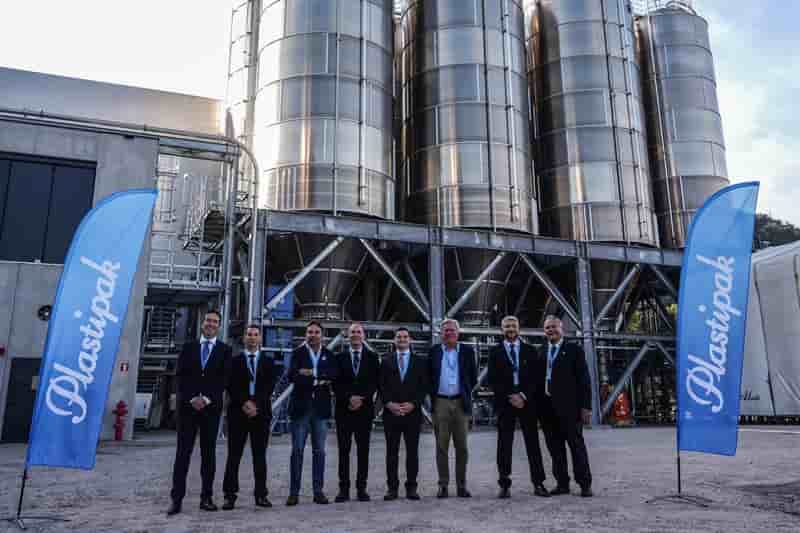
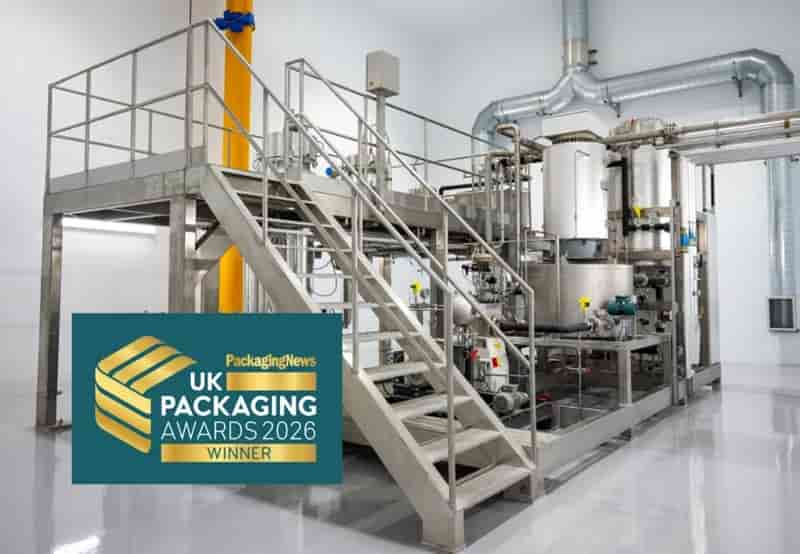
In a major step forward for sustainable plastics recycling, the Italian company Promeco has built and supplied the central section of the continuous chemical recycling pilot plant which Lamor is commissioning in Kilpilahti, Porvoo (Finland). This collaboration highlights how “chemical recycling” is emerging as a key component in the circular economy for plastics, rather than solely relying on mechanical methods. The pilot plant is designed to transform plastic waste into pyrolysis oil — a raw material feedstock akin to fossil naphtha — and sets the stage for scaling up to higher volumes in future phases.
Made in Italy meets Finland’s industrial ecosystem
Promeco’s equipment – proudly Made in Italy – will be installed at Lamor’s facility near Finland’s major petrochemical hub in Porvoo. The installation is scheduled for completion by the end of the year. Through its subsidiary Lamor Recycling, Lamor aims initially to process up to 10 000 tons of plastic waste per year into pyrolysis oil. The plant is housed in an industrial warehouse configured to allow subsequent expansion: additional process lines will enable a progressive increase in conversion capacity. Ultimately, Lamor’s goal is to exceed 100 000 tons per year of plastic waste treatment, using Kilpilahti as a model for replicating two additional units.
How the chemical recycling process works
The core of this initiative lies in Promeco’s continuous chemical recycling technology. Unlike traditional mechanical recycling (which struggles with mixed, contaminated or multilayer plastics), chemical recycling breaks down polymeric waste streams at the molecular level. As described by industry sources, chemical recycling encompasses technologies such as pyrolysis, gasification and depolymerisation. Plastics Europe+2Promeco SPA+2
In this project the process is two-fold:
-
Shredding: Plastic waste is first shredded into smaller fragments, providing a consistent feedstock.
-
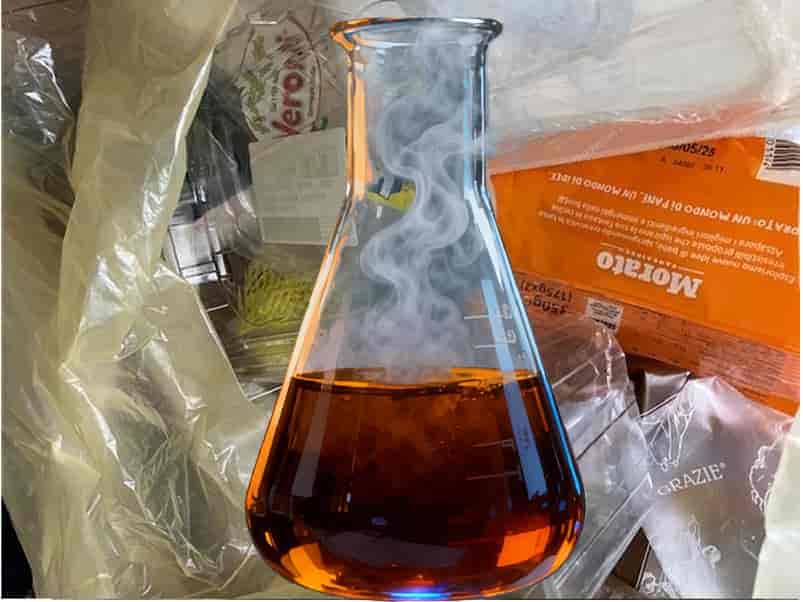
Pyrolysis (oxygen-free thermochemical process): The shredded material is subjected to high temperature in an oxygen-deficient environment; the result is a crude “pyrolysis oil” that can then be refined to meet cracker feedstock specifications, ready for producing new polymers or other derivatives.
The continuous nature of Promeco’s system optimises labour requirements, energy consumption, operational reliability and safety — features that are vital for industrial scaling. Promeco SPA+2Beston Group+2
Why this matters for the circular economy
Chemical recycling is increasingly recognised as a complement to mechanical recycling — especially for complex plastic waste streams that cannot be easily handled by conventional methods. It enables the conversion of post-consumer plastics into high-quality raw materials suitable for demanding applications. Plastics Europe+1
In this case:
-
The Finnish pilot plant demonstrates practical industrial deployment of “chemical recycling” technology.
-
The process reduces dependence on virgin fossil feedstock by producing a reusable liquid raw material.
-
It aligns with broader trends and regulatory frameworks in Europe which call for increased recycling rates, less plastic waste landfilling and growth of circular feedstocks.
Technical and strategic highlights
-
Promeco’s central section is modular and designed for integration into an industrial warehouse facility that allows further expansion.
-
The continuous operating model ensures stable throughput, enhanced safety, reduced downtime and improved product quality. Continuous pyrolysis plants are referenced in industry literature as a scalable, efficient approach. Beston Group+1
-
For Lamor, Kilpilahti is not just a one-off pilot: the site is a template for the rollout of further units, enabling a treatment capacity well beyond the initial 10 000 tons/year.
-
From an investment and industrial perspective, this project signals a shift: Italian engineering meets Finnish real-world execution in the advanced recycling sector.
Outlook and implications
The pilot phase will be closely watched by stakeholders across the plastics value chain: waste feedstock suppliers, chemical producers, polymer manufacturers and regulators. If the system runs as intended, it may unlock new business models and expedite the transition to “chemical recycling” as a viable industrial scale alternative to both mechanical recycling and incineration.
For the plastics industry, the ability to utilise pyrolysis oil as a drop-in feedstock for crackers opens new supply opportunities and supports ambitions for circular polymers. For policymakers, the project supports regional ambitions for decarbonisation, waste minimisation and circular economy development.
Conclusion
The collaboration between Promeco and Lamor in Finland is a compelling case study of how chemical recycling — and specifically continuous pyrolysis technology — can be industrialised. By supplying Made in Italy equipment for a pilot plant designed to treat thousands of tonnes of plastic waste, this initiative underscores the practical shift from concept to execution. As scaling continues, the term “chemical recycling” will gain even greater significance in discussions of sustainable plastics management and circular feedstocks.