Chinese automotive crisis – China’s Automotive Sector Faces a Deepening Crisis as Overproduction, Fierce Competition, and Collapsing Profits Threaten the Future of Major Domestic Car Manufacturers 19-01-2026
The Chinese automotive industry, once celebrated as a global powerhouse of innovation and rapid expansion, is now facing one of the most severe downturns in its history
What was previously viewed as an unstoppable engine of growth has become a sector weighed down by overproduction, shrinking margins, and a competitive environment that is pushing many companies to the brink. This silent but escalating disruption is now widely recognized as the Chinese automotive crisis, a structural challenge reshaping the entire market.
A Market Losing Its Shine
China remains the world’s largest market for electric and hybrid vehicles, yet this impressive scale is no longer translating into healthy profits. Automakers are struggling to maintain financial stability as production levels continue to exceed both domestic and international demand. The result is a wave of price cuts, discount campaigns, and aggressive sales tactics that are eroding profitability across the industry. Chinese automotive crisis
In 2025, the average profit margin per vehicle fell to just 4.4%, one of the lowest levels recorded in recent years. This decline occurred despite an 11% increase in total production, according to data from the China Passenger Car Association. Retailers are also feeling the pressure, with many reporting losses driven by relentless discounting and shrinking consumer demand, particularly in the electric vehicle segment.
Overproduction at the Core of the Crisis
The root of the Chinese automotive crisis lies in years of industrial policies that prioritized production volume over sustainable market growth. Factories expanded rapidly, encouraged by government incentives and the global enthusiasm for electric mobility. However, this expansion created a mismatch between capacity and real demand. Chinese automotive crisis
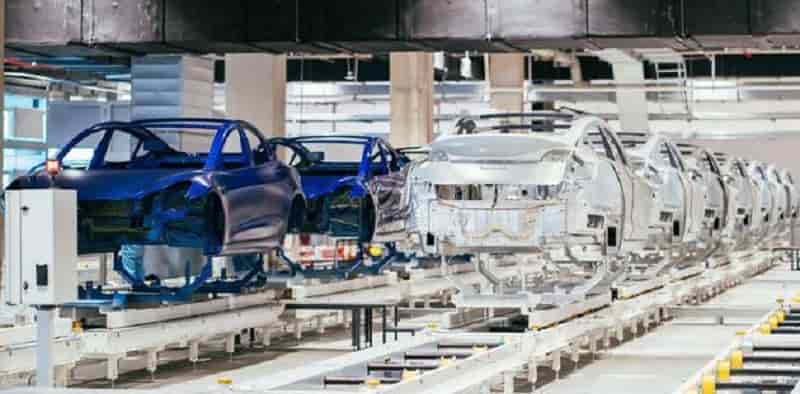
Many plants now operate far below their potential output, while inventory levels continue to rise. Reuters reports that the push for higher production numbers has triggered a chain reaction of harmful practices across the supply chain. Manufacturers, suppliers, and dealers are all caught in a cycle of falling prices and diminishing margins, creating a lose‑lose scenario for nearly every participant in the market. C
A Price War With No Winners
The consequences of overproduction have sparked a full‑scale price war. Some models are being sold at discounts of up to 40% compared to their original list prices. While these reductions may attract buyers in the short term, they are devastating for long‑term profitability.
Le Monde reported that only 39% of Chinese car dealers were profitable in 2024. Many dealerships are now forced to sell vehicles at a loss simply to clear inventory and maintain cash flow. This internal competition has become so intense that it is often described using the term neijuan, or involution, referring to a self‑destructive spiral of competition that benefits no one.
This phenomenon is not only damaging the domestic market but also influencing global trade relations. The European Union and the United States have responded by imposing tariffs and regulatory barriers to limit the influx of low‑cost Chinese electric vehicles, further complicating the export strategies of Chinese manufacturers.
Systemic Risks and Long‑Term Consequences
The Chinese automotive crisis is more than a temporary downturn. It represents a structural imbalance that threatens the long‑term sustainability of the sector. Analysts warn that only a small fraction of the 120 to 130 automotive brands currently operating in China will survive the next decade. Forecasts suggest that by 2030, perhaps only fifteen brands will remain competitive enough to withstand the pressure of shrinking margins and relentless competition. Chinese automotive crisis
This looming consolidation could reshape the entire industry. Companies that fail to innovate or differentiate themselves risk being absorbed or disappearing entirely. The survivors will likely be those with strong technological capabilities, efficient production systems, or successful international expansion strategies.
A Turning Point for China’s Automotive Future
Many automakers are now attempting to reposition themselves in response to the crisis. Some are investing heavily in proprietary technologies, such as advanced battery systems or autonomous driving platforms. Others are focusing on cost optimization, streamlining operations, or exploring new markets abroad to offset domestic stagnation. Chinese automotive crisis
However, the path forward remains uncertain. Overproduction is not merely a logistical issue; it reflects deeper weaknesses in an economic model that has long prioritized quantity over profitability. The Chinese automotive crisis highlights the need for a more balanced approach, one that aligns production with real demand and encourages sustainable growth rather than unchecked expansion.
A Sector at a Crossroads
The coming years will be decisive for China’s automotive industry. The sector must confront the consequences of its rapid expansion and adapt to a new reality defined by tighter margins, stricter global competition, and shifting consumer expectations. Whether this crisis becomes an opportunity for renewal or a prolonged period of decline will depend on how effectively manufacturers can innovate, consolidate, and redefine their strategies.
For now, the Chinese automotive crisis stands as a warning: even the world’s largest and fastest‑growing markets are not immune to the dangers of overproduction and excessive competition. Chinese automotive crisis
More…