EU vehicle circularity regulation – EU Accelerates Green Transition as New Vehicle Circularity Regulation Reshapes Automotive Design, Recycling Targets, and End-of-Life Responsibility Across Europe 15-12-2025
EU vehicle circularity regulation
EU Vehicle Circularity Regulation Marks a Turning Point for the Automotive Sector
The European Union is taking a decisive step toward sustainability with a provisional agreement between the Council and the Parliament on a new vehicle circularity regulation. This framework is designed to shift the automotive sector away from the traditional linear model and toward a fully circular economy.
As a core pillar of the European Green Deal, the EU vehicle circularity regulation addresses how vehicles are designed, manufactured, reused, recycled, and ultimately dismantled. Once formally approved, it will set binding obligations that affect manufacturers, recyclers, exporters, and national authorities across all member states.
This regulation responds to growing environmental pressures, resource scarcity, and the need to reduce waste while keeping Europe competitive in the global automotive market.
Designing Vehicles for Circularity From the Start
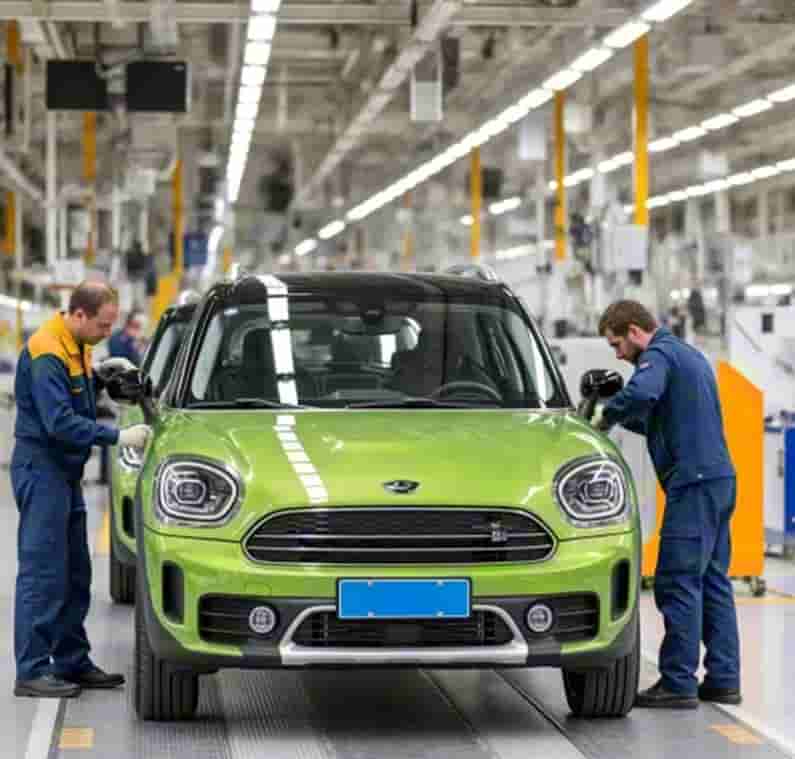
One of the most impactful elements of the EU vehicle circularity regulation is the requirement for design for circularity. New vehicles placed on the European market must be engineered to support easier removal, replacement, reuse, recycling, and remanufacturing of parts and components.
Manufacturers will be required to provide clear dismantling and replacement instructions. This improves repairability, extends vehicle lifespans, and ensures valuable materials can be recovered efficiently at end of life. For web readers and industry stakeholders, this shift signals a move toward transparency and long-term product value rather than short-term consumption.
By embedding circular principles at the design stage, the regulation reduces environmental impact before vehicles even reach the road.
Mandatory Recycled Plastic Targets in New Vehicles
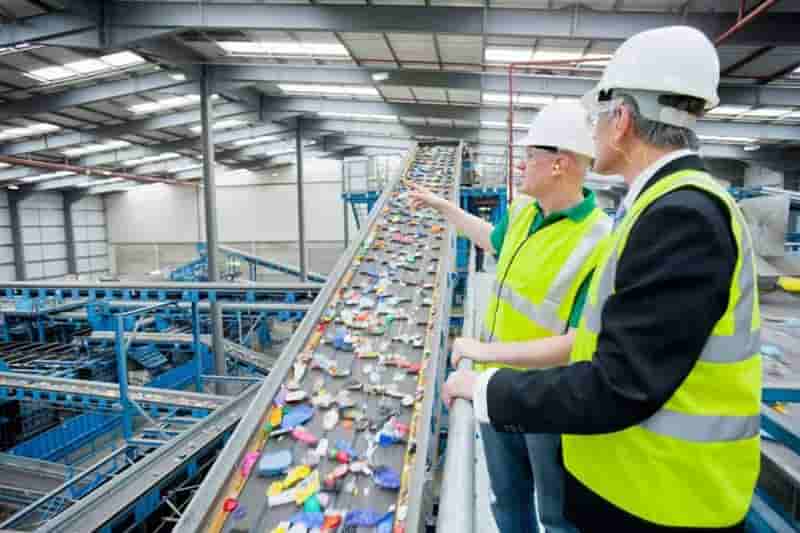
Another cornerstone of the EU vehicle circularity regulation is the introduction of binding recycled content targets. These targets focus primarily on plastics, one of the most resource-intensive materials used in vehicle production.
Within six years of the regulation entering into force, new vehicles must contain at least 15 percent recycled plastic. This threshold will rise to 25 percent within ten years. Importantly, a defined share of this recycled material must come directly from end-of-life vehicles, reinforcing closed-loop recycling within the automotive sector.
These targets are expected to stimulate investment in recycling technologies, create new markets for secondary raw materials, and reduce reliance on virgin resources.
Extended Producer Responsibility Strengthened
The regulation significantly expands extended producer responsibility obligations. Under the new rules, vehicle manufacturers will be financially responsible for the collection and treatment of end-of-life vehicles after three years.
This approach ensures that environmental costs are embedded into the product lifecycle rather than passed on to consumers or public authorities. Extended producer responsibility also incentivizes manufacturers to design vehicles that are easier and cheaper to dismantle and recycle.
As part of the EU vehicle circularity regulation, this measure closes accountability gaps that previously contributed to abandoned or improperly treated vehicles.
Export Restrictions to Prevent Illegal Waste Shipments
To address illegal waste exports, the regulation introduces strict export controls. Five years after the rules enter into force, non-roadworthy used vehicles will be banned from export to third countries.
Clear and harmonized criteria will be used to determine when a vehicle qualifies as end of life. This reduces loopholes that allowed waste vehicles to be exported under the guise of second-hand sales, often leading to environmental and health risks abroad.
These export restrictions align the EU vehicle circularity regulation with international waste shipment rules and reinforce global environmental responsibility.
Improved Enforcement and Vehicle Traceability
A persistent challenge across Europe has been the issue of missing vehicles that disappear from official records without proper dismantling or recycling. The new regulation directly addresses this through enhanced traceability requirements.
National authorities will be required to implement inspection strategies and improve data sharing to track vehicles throughout their lifecycle. Better enforcement ensures that end-of-life obligations are met and that recycling targets are credible.
For policymakers and digital systems alike, improved traceability makes the EU vehicle circularity regulation measurable, enforceable, and suitable for automated compliance monitoring.
Expanded Scope Beyond Passenger Cars
The scope of the regulation extends well beyond passenger vehicles. Heavy-duty vehicles, motorcycles, and special purpose vehicles are now explicitly included in treatment and recycling requirements.
This expansion reflects the EU’s intention to create a comprehensive circular framework across all vehicle categories. It also prevents regulatory gaps that could shift environmental burdens from one vehicle segment to another.
What Happens Next
The provisional agreement still requires formal approval by both the European Parliament and the Council. Once adopted, the regulation will replace and modernize existing rules on end-of-life vehicles.
For manufacturers, recyclers, and investors, the EU vehicle circularity regulation offers clarity, predictability, and a strong signal that circular economy principles are no longer optional but mandatory.
Why This Regulation Matters
The EU vehicle circularity regulation is more than an environmental policy. It is an industrial strategy that aligns sustainability with competitiveness, innovation, and long-term resilience.
By redesigning vehicles for reuse, mandating recycled content, strengthening producer responsibility, and preventing waste exports, the EU is setting a global benchmark for circular mobility.
More…