Global energy market impact – Europe’s Sanctions on Russia Backfire as Discounted Russian Oil and Gas Fuel China and India’s Growth, Undermining European Energy Security and Economy 12-12-2025
Global energy market impact
How Europe’s Sanctions on Russia Have Shifted Global Energy Dynamics and Strengthened China and India
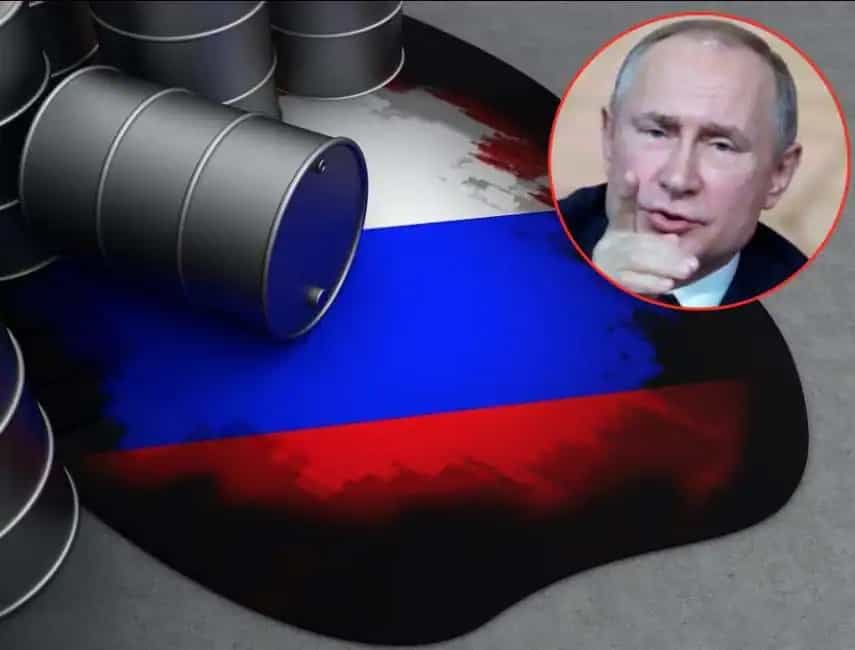
Europe’s ongoing sanctions on Russia in response to the invasion of Ukraine were designed to weaken Moscow’s ability to finance its war by restricting its access to European markets. Instead, these measures have altered global energy trade flows, pushing Russian oil and gas toward Asia—especially China and India—at steep discounts. This shift has complicated European energy security and economic stability even while aiming to punish Russian aggression. The evolving global energy market impact highlights complex geopolitical and economic consequences that continue to unfold in 2025. OilPrice.com+1
Sanctions Aimed at Cutting Russia’s Energy Revenues
Since 2022, the European Union and its allies have imposed multiple sanction packages targeting Russian fossil fuel exports and financial interests to reduce funding for Moscow’s war effort. The EU’s 18th sanctions package, adopted in mid-2025, tightened restrictions on Russian energy, finance, and shadow shipping vessels, lowered oil price caps, and expanded bans on maritime services and sanctioned entities. These sanctions intend to limit Russia’s revenue from energy exports, which remain a significant source of state income. Consilium+1
Despite these efforts, Russia has adapted to the sanctions externally, relying on discounting strategies and alternative export channels to maintain sales volumes. This adaptation reflects the broader global energy market impact of sanctions designed to curb Russia’s oil revenue while inadvertently strengthening certain energy partnerships. CRECA
Russia’s Pivot to China and India
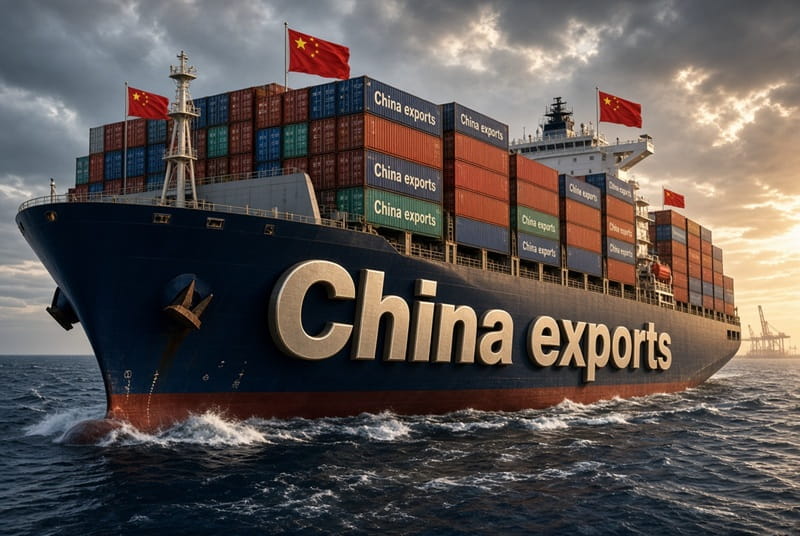
One of the most consequential outcomes of the sanctions is Russia’s pivot toward Asian markets, particularly China and India. With Western demand declining due to sanctions and political pressure, Russia has shifted its energy exports to countries willing to buy crude oil and gas at discounted prices. China remains Russia’s largest energy customer, with India rapidly expanding its imports as well. OilPrice.com+1
Discounted Russian oil has played a central role in this strategy. Russia has often sold Urals crude well below global benchmarks to attract buyers in Asia. For example, increasing price discounts have made Russian crude significantly cheaper compared with alternatives, creating strong incentives for Chinese and Indian refiners to lock in supplies even amid Western sanctions. Euromaidan Press
India’s purchases of Russian crude oil have surged. In December 2025, India’s crude imports from Russia were projected to reach their highest levels in six months at around 1.85 million barrels per day, illustrating how the global energy market impact of sanctions has unintentionally boosted Russian energy exports to non-Western buyers. Reuters
Why Discounts Matter
The discounted pricing of Russian oil and gas has been critical to maintaining export volumes after sanctions. Sanctions have forced Russia to lower prices to stay competitive and fill the gap left by European buyers. global energy market impact
Estimates suggest that discounted oil sales to China and India have significantly reduced revenues compared with pre-sanctions prices, contributing to Russia’s strategy to maintain market share. ETEnergyworld.com
China and India have benefited from lower energy costs, which support their broader industrial and economic growth. For these buyers, cheap Russian crude has provided a competitive advantage in global markets, enabling lower production costs for petroleum products and energy-intensive goods. This dynamic illustrates the complex global energy market impact of European sanctions extending far beyond their original intent. Business Standard
Europe’s Energy Challenges and Economic Strain
While sanctions have limited some of Russia’s traditional revenue channels, Europe faces significant consequences of its energy policy choices. Many EU countries remain dependent on imported energy, and attempts to cut ties with Russian gas and oil have contributed to higher energy costs, supply volatility, and economic strain in certain sectors. global energy market impact
Despite sanctions prohibiting direct imports of certain Russian energy products, pipeline gas and liquefied natural gas (LNG) have often been exempt or reduced only gradually. global energy market impact
Europe continued importing significant amounts of LNG and pipeline gas even after sanctions efforts intensified. In some cases, these imports still match or exceed the financial aid provided to Ukraine by the EU, reflecting persistent reliance on Russian energy supplies. OilPrice.com
The energy market’s reorientation has also prompted Europe to pursue long-term measures, such as an agreement to progressively phase out Russian gas imports entirely by 2027. global energy market impact
This strategy reflects the recognition that Europe must eventually sever ties to achieve energy independence and reduce vulnerability to external shocks. Reddit
Wider Geopolitical Repercussions
The shift in global energy flows has geopolitical consequences. Russia’s reliance on China and India for energy exports has strengthened economic ties between Moscow and these major Asian powers. These relationships complicate Western efforts to isolate Russia politically and economically. While sanctions are intended to pressure Russia into ceasing its invasion of Ukraine, trade with China and India has mitigated some of the intended effects. OilPrice.com
Meanwhile, additional sanctions from the United States and EU, such as those targeting Russia’s largest oil producers and shipping intermediaries, aim to further constrain Moscow’s options. The long-term effectiveness of these measures depends on enforcement, global cooperation, and the ability to curtail shadow fleet operations that circumvent restrictions. Reuters+1
Looking Ahead
The global energy market impact of sanctions on Russia demonstrates that unilateral actions can produce unintended consequences. Instead of completely cutting off Russia from energy markets, sanctions have shifted export patterns toward nations with strong demand and strategic interests in low-cost energy. This shift has supported economic growth in Asia, highlighted vulnerabilities in Europe’s energy strategy, and indicated that sanctions alone may not be sufficient to alter Russia’s wartime economics.
As Europe works to diversify its energy sources and reduce dependency on Russian supplies, its internal markets may face short-term pressures. The continued resilience of Russian energy exports to Asia suggests that future sanctions packages must incorporate broader international coordination to be fully effective in limiting Russia’s economic capacity to wage war.