Graphene nanoplatelets polymer electrolyte – Revolutionary Graphene Nanoplatelets in PEO-PLA Matrix Dramatically Boost Polymer Electrolyte Conductivity And Stability For Next-Gen Energy Storage Systems 10-11-2025
Graphene nanoplatelets polymer electrolyte
In the rapidly evolving field of energy storage, integrating graphene nanoplatelets polymer electrolyte systems into polymer matrices offers a powerful pathway to improved performance. Recent research demonstrates how two-dimensional graphene nanoplatelets (GNPs) embedded in a blend of Polyethylene oxide (PEO) and Polylactic acid (PLA) can boost ionic conductivity, enhance thermal and mechanical stability, and pave the way for high-performance quasi-solid polymer electrolytes.
Why Graphene Nanoplatelets Matter
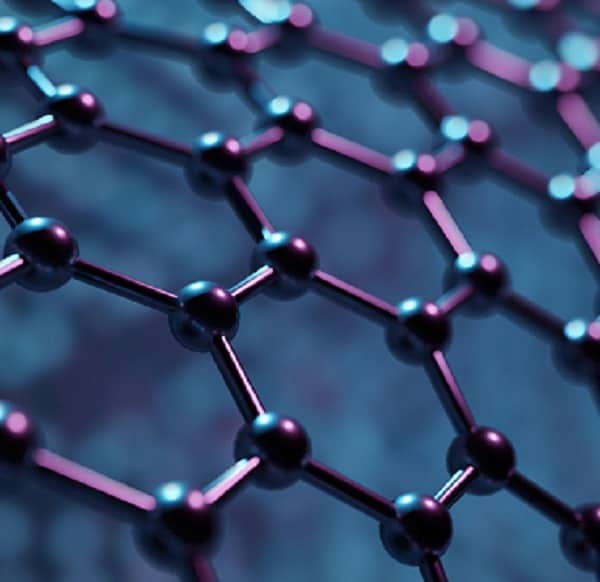
Graphene nanoplatelets are celebrated for their exceptional electrical conductivity, mechanical resilience and large surface area. As fillers in polymer matrices, GNPs create conductive pathways and reinforce structure, enabling better ion transport. The incorporation of GNPs into the polymer blend is central to the improved performance of the graphene nanoplatelets polymer electrolyte architecture. ResearchGate+1
The PEO-PLA Blend Strategy
The choice of blending PEO and PLA brings complementary advantages. PEO provides ion-conducting pathways, but on its own suffers from limited mechanical and thermal stability. PLA adds higher chemical and thermal resistance while being biocompatible and easy to process. In the study, a PEO/PLA ratio (approx. 65:35) was used and optimized with lithium perchlorate salt and varying GNP weight percentages.
Key Results: Conductivity and Stability Gains
Experimental results highlight the success of this graphene nanoplatelets polymer electrolyte system. For instance, the blend with 2 wt % GNP achieved an ionic conductivity of ~3.61 × 10⁻⁴ S/cm with crystallinity around 27.76 %. Sciety+1
The reduction in polymer crystallinity, improved dispersion of fillers and refined microstructure all contribute to better ion mobility and electrochemical behaviour. In galvanostatic tests the lithium metal battery employing this electrolyte showed lithiation capacity of 479 mAh g⁻¹ with initial coulombic efficiency at 59.3 % and achieved ~76.3 of graphite (372 mAh g⁻¹).
These findings underscore how graphene nanoplatelets polymer electrolyte composites can be engineered for high performance.
Implications for Energy Storage Technology
The development of graphene nanoplatelets polymer electrolyte systems signifies a crucial step toward safer, more efficient batteries and supercapacitors. Quasi-solid electrolytes using this composite approach offer lower leakage risk, enhanced stability under thermal stress and improved ionic transport compared to conventional polymer electrolytes. BIOENGINEER.ORG
As energy storage systems demand higher energy density and longer life, materials innovations such as these will become key enablers.
Challenges and Considerations
While promising, adoption of graphene nanoplatelets polymer electrolyte technology involves notable challenges.
Dispersion and Percolation Threshold: Achieving optimal filler dispersion and continuous conductive pathways requires tight control of nanoplatelet concentration and processing.
Polymer Crystallinity vs. Conductivity Trade-off: Lowering crystallinity improves ion mobility but can weaken mechanical properties. The blend must strike balance.
Scalability and Cost: High-quality graphene nanoplatelets and precise blending may raise manufacturing cost and complexity, affecting commercial feasibility.
Thermal and Electrochemical Compatibility: The composite must maintain integrity under operational conditions (temperature swings, cycling, ion migration) over long periods.
Conclusion
The integration of graphene nanoplatelets into a PEO-PLA polymer blend offers a compelling step-change in polymer electrolyte performance. The graphene nanoplatelets polymer electrolyte composite achieves enhanced ionic conductivity, better stability and opens new avenues for next-generation energy storage systems. Looking ahead, overcoming processing and cost barriers will be key to translating these advances into commercial batteries and supercapacitors.