Hengli Petrochemical’s PTA Expansion Strengthens China’s Polyester Supply Chain
Hengli Petrochemical PTA Capacity Push Strengthens China’s Polyester Chain
Hengli Petrochemical’s latest capacity strategy is reinforcing one of the most important structural shifts in the global polyester industry: the move from stand-alone chemical production toward deeply integrated refining, aromatics, PTA, PET and fiber platforms.
The attached source article correctly frames Hengli’s PTA expansion as more than a single production project. It is part of a wider industrial model in which purified terephthalic acid, or PTA, acts as the bridge between upstream paraxylene and downstream polyester applications such as textile fibers, PET bottle resin and industrial films.
That integration matters because PTA is not a niche intermediate. It is one of the key raw materials used with monoethylene glycol to produce PET and polyester products. Market data providers tracking China’s polyester chain describe PTA as a central link between PX feedstock and downstream polyester demand, meaning changes in PTA capacity, pricing and operating rates can quickly influence the economics of textiles, packaging and export-oriented manufacturing.
Why Hengli’s Dalian Base Matters
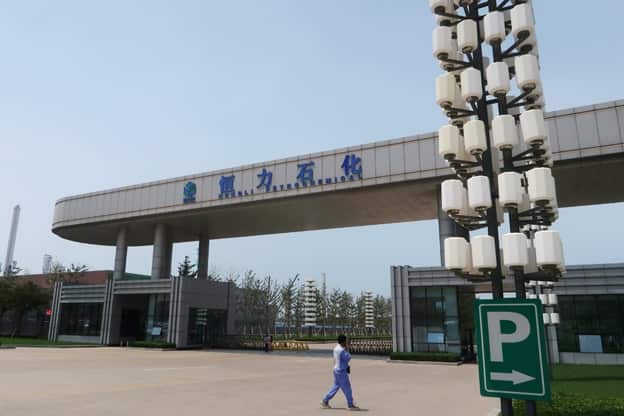
Hengli Petrochemical’s Dalian operations sit on Changxing Island, a coastal industrial zone that gives the group direct access to port logistics, imported crude flows, refining infrastructure and downstream chemical units. This geography is a major competitive advantage.
Instead of buying every intermediate from the merchant market, Hengli can connect crude processing, aromatics production and PTA manufacturing inside the same industrial platform. That allows the company to capture value at multiple points of the chain rather than relying only on refining margins or only on chemical spreads.
The company’s Dalian PTA platform is described by Hengli Petrochemical Dalian Chemical as using advanced process technology and benefiting from scale, location and cost advantages. The same company profile states that Hengli invested in two 2.5 million ton-per-year PTA projects, bringing annual PTA capacity at the Dalian base to 11.6 million tons.
This is the strategic core of Hengli’s model: paraxylene can be converted into PTA, PTA can feed polyester and PET production, and the group can manage margins across the full chain.
A New Capacity Cycle Beyond PTA
Recent project news suggests Hengli is not only defending its PTA position but also extending the chemical chain further into downstream and higher-value materials.
A report published on June 16, 2026, said Hengli Petrochemical Dalian New Material Technology’s 1.6 million ton-per-year fine chemical project had been accepted for environmental impact assessment on June 13. The same report described a planned investment of about 15.59 billion yuan and listed multiple planned units, including PO/SM, acrylic acid and ester, ABS, polyether polyol, acrylonitrile and other chemical facilities.
The same source also notes that Hengli’s Changxing Island industrial park already includes a 20 million ton-per-year refining and chemical integration project, a 1.5 million ton-per-year ethylene project and a 12 million ton-per-year PTA project. It also refers to ongoing projects in high-performance resin, high-performance polyester, BDO and fine-chemical storage and transportation.
For the polyester chain, this is significant. PTA remains the backbone, but Hengli’s wider expansion points to a broader strategy: building an integrated materials platform that can serve textiles, packaging, engineering plastics, coatings and other chemical markets. Hengli Petrochemical PTA capacity
How PTA Supports Polyester and PET Demand
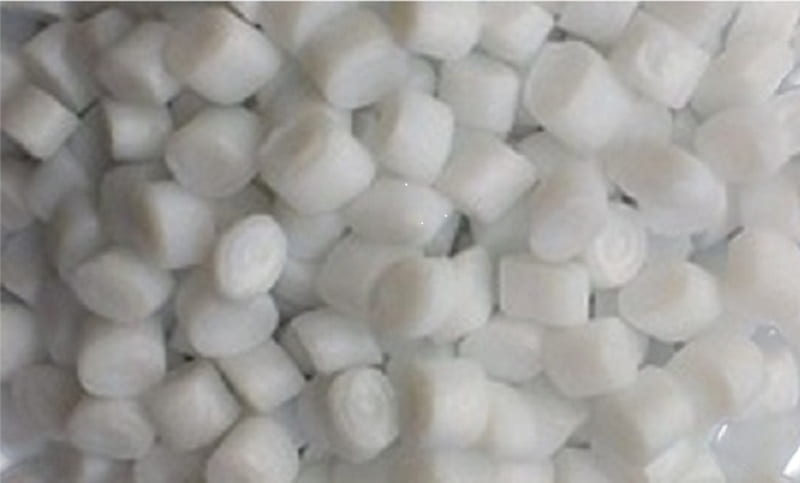
PTA is essential because it feeds both polyester fiber and PET resin. Polyester fiber is used in apparel, home textiles and industrial yarns. PET resin is used in beverage bottles, food packaging, films and other consumer-facing applications.
For producers, the economics depend heavily on the relationship between crude oil, naphtha, PX, PTA, MEG and final polyester demand. When feedstock prices rise faster than finished goods prices, margins are squeezed. When integrated producers can control more of the chain, they are often better positioned than smaller stand-alone operators.
This is where Hengli’s scale becomes important. A large integrated player can adjust operating rates, balance internal consumption, supply external customers and respond more flexibly to changes in PX or PTA spreads. Smaller independent PTA producers may have fewer options when demand weakens or feedstock costs rise.
China’s PTA Market Is Still Shaped by Oversupply Risk
Hengli’s PTA expansion also needs to be read against the broader Chinese market. China has built enormous PTA and polyester capacity over the past decade, and the sector periodically faces pressure from overcapacity, weak downstream demand and uneven export conditions.
ChemNet reported in late April 2026 that China’s total PTA capacity exceeded 70 million tons per year. It also said the industry’s operating rate fell sharply in April as maintenance and supply-side disruptions affected several producers, including Hengli.
That detail is important because it shows the market is not simply a story of “more capacity equals more growth.” The real issue is utilization. Large integrated producers such as Hengli can often run more competitively through downturns, while less efficient assets may struggle when margins compress.
This can accelerate consolidation. Newer, larger and better-integrated plants are more likely to survive periods of weak profitability, while older stand-alone PTA units may face pressure to upgrade, reduce rates or exit.
Export Competition Could Remain Strong
Hengli’s PTA strategy also has international consequences. When China’s domestic polyester demand slows, surplus PTA or downstream PET and polyester products can move into export markets. That can put pressure on producers in other regions, especially where energy costs, logistics costs or plant efficiency are less favorable.
ChemNet reported that China’s PTA exports from January to March 2026 reached 923,000 tons, up 41.2% year on year, with Turkey, Vietnam and Egypt listed among the main destinations.
For buyers of polyester textiles, PET packaging or related materials, this can be favorable because Chinese supply helps keep global pricing competitive. For producers outside China, however, the same trend can intensify margin pressure.
Energy Efficiency and Environmental Positioning
Environmental performance is increasingly important for large petrochemical complexes in China. New PTA units are expected to operate with better energy integration, cleaner emissions controls and more efficient resource use than older facilities.
Hengli Petrochemical Dalian Chemical states that the company has implemented measures for water resource utilization, solid residue recovery and clean exhaust-gas purification. It also describes the PTA plant area as having a large greening area and a stated greening rate of about 20%.
These claims should still be interpreted carefully because detailed unit-level emissions data is not always publicly available. However, the direction is clear: large-scale PTA projects are no longer judged only on capacity and cost. They are increasingly assessed on energy intensity, process efficiency and regulatory compliance.
What This Means for the Polyester Value Chain
Hengli’s PTA capacity push keeps the polyester chain supplied, but it also changes the competitive structure of the market.
For downstream textile and PET producers, large integrated PTA supply can improve reliability and reduce exposure to fragmented sourcing. For independent PTA producers, it raises the competitive bar. For global buyers, it reinforces China’s role as the dominant force in polyester intermediates.
The key point is that Hengli is not just adding PTA volume. It is strengthening a platform that links crude oil, aromatics, PTA, polyester, PET and new materials. That gives the company more flexibility across cycles and makes its Dalian base one of the more influential nodes in Asia’s petrochemical map.
Outlook
The near-term PTA market remains exposed to three forces: feedstock volatility, Chinese downstream demand and export flows. Maintenance cycles and geopolitical disruptions can temporarily tighten supply, but the medium-term challenge remains the same: China has very large PTA capacity, and profitability depends on how effectively producers manage utilization and margins.
Hengli’s advantage is integration. Its Dalian platform gives it scale, feedstock optionality, logistics strength and downstream outlets. That does not eliminate market risk, but it gives the company more tools than many smaller competitors.
For the global polyester industry, Hengli Petrochemical’s PTA strategy is therefore a signal of where the sector is heading: larger complexes, deeper integration, stronger links between refining and materials, and continued pressure on less efficient producers.
PET Chips Prices Show Resilient Gains as PX PTA Costs Stabilize Market
More…