Lithium-ion batteries – Vietnam initiative turns cocoa waste into eco-friendly bioplastics Helvetas Vietnam, in partnership with AirX Carbon, is leading a pioneering initiative to transform cocoa husks into bioplastic materials, offering a sustainable solution to agricultural waste and plastic pollution 05-04-2025 - Archive
Lithium-ion batteries
Reichmuth Infrastructure will finance a new PET recycling plant in Northwest England, partnering with Enviroo
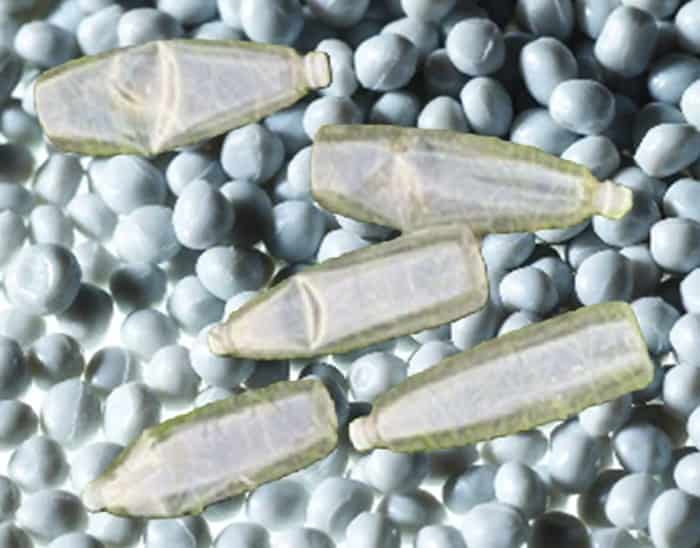
Enviroo’s process combines washing and extrusion to produce food-grade recycled PET granulate, suitable for bottle production and seamless integration with virgin PET.
The investment, starting in Q2 2025, aims for production by late 2026. Enviroo’s CEO, Ahmed Detta, highlights the shared vision for a closed-loop recycling solution, contributing to UK recycling targets.
This follows similar developments: ALPLA and Re-Purpose formed a partnership in South Africa to improve waste collection for ALPLA’s PET recycling facility. Additionally, Carbios and Zhink Group plan to build a bio-recycling plant in China, utilizing enzymatic depolymerization to process 50,000 tons of PET waste annually, targeting the Asian market. Lithium-ion batteries

Coca-Cola FEMSA in Jundiai, Brazil, has implemented Sidel’s Super Combi for its carbonated soft drinks (CSD) line, achieving a significant increase in productivity up to 39,000 bottles per hour (bph)
This all-in-one solution integrates preform feeding, blowing, labeling, filling/capping, and cap feeding into a compact system.
The Super Combi offers a space-saving design, reducing the footprint by up to 30% compared to standalone equipment, which was a key factor for Coca-Cola FEMSA seeking efficiency within limited space. Replacing existing wet block equipment, the Sidel solution seamlessly integrated with the remaining production setup. Lithium-ion batteries
This upgrade allows Coca-Cola FEMSA to handle up to ten different bottle formats, ranging from 0.2 to 2 liters, while significantly reducing the overall line footprint. The closed and compact design of the Super Combi minimizes contamination risks and facilitates the production of lightweight PET bottles by reducing transfer distances and mechanical stress.

Ecobat boosts battery recycling with 3 fully operational plants
Together, the three plants, in Germany, the US, and England, are capable of processing up to 10,000 tons of lithium-ion batteries annually, with plans to scale capacity to 25,000 tons.
Battery recycling firm Ecobat has announced the successful commissioning of three lithium-ion battery recycling facilities within one year. Located in Hettstedt, Germany; Casa Grande, Arizona (US); and Darlaston, England, these facilities are now fully operational.
Together, the three plants are capable of processing up to 10,000 tons of lithium-ion batteries annually, with plans to scale capacity to 25,000 tons, the Dallas, Texas headquartered firm said. Lithium-ion batteries
The newly commissioned plants focus on the production of black mass, the critical material derived from recycled lithium-ion batteries, rich in essential minerals such as lithium, cobalt, nickel, manganese, and graphite. Black mass plays a crucial role in enabling the closed-loop production of batteries, reducing the need for new mining and supporting the development of sustainable battery supply chains.

Maisy Whitehead of York launches bio-polymer firm VegoPak
A new era of sustainability is promised with the launch of VegoPak, a pioneering York company that has developed an innovative, eco-friendly bio-polymer designed to replace conventional plastics.
This breakthrough material is said to offer the durability and versatility of plastic while being completely sustainable and biodegradable. Lithium-ion batteries
With increasing global concerns over plastic pollution, the solution from VegoPak could be a game-changer for industries seeking to reduce their environmental impact.
The company’s sustainable bio-polymer is made from natural materials, offering a viable alternative for a wide range of applications.
From children’s toys and food packaging to durable containers and automotive components, VegoPak’s material

Polyester-blend workwear to be recycled at scale
Sixone and Alsico Group have announced a partnership to turn end-of-life (EOL) workwear into polyester chips at scale.
Alsico will source the workwear from the company’s ARX garment collection facility.
The group’s ARX Initiative looks to expand the life and improve the recycling of its garments. Lithium-ion batteries
Vincent Siau, managing director at Alsico group, said: “Our partnership with Sixone is a testament to our ongoing commitment to innovation and sustainability.
“By working together, we can create a fully circular solution that not only enhances the lifecycle of our high-performance fabrics but also supports our broader goal of reducing waste, walking away from virgin fossil based raw materials and promoting a more sustainable future for the workwear industry.”
Technology company Sixone specialises in turning polyester-blended textiles into polyester pellets – traditionally a difficult material stream to recycle. Lithium-ion batteries
The company analyses the molecular composition of textiles to determine the ideal recycling conditions for surgically and efficiently extracting pure polyester.

Vietnam initiative turns cocoa waste into eco-friendly bioplastics
Helvetas Vietnam, in partnership with AirX Carbon, is leading a pioneering initiative to transform cocoa husks into bioplastic materials, offering a sustainable solution to agricultural waste and plastic pollution.
The project, funded by the European Union under the ‘Circular Economy Cocoa: From Bean to Bar’ initiative (2022–2026), aims to address global environmental challenges while promoting circular economy practices in Vietnam’s agri-food sector.
Helvetas Vietnam, active in the country since 1995, is part of Helvetas Swiss Intercooperation, a leading Swiss development organization with over 65 years of global experience. Lithium-ion batteries
It works across sectors including agriculture, forestry, and rural economic development, with a focus on advancing sustainable and inclusive growth, climate change adaptation, and vocational skills enhancement.
Under the EU’s SWITCH-Asia program, Helvetas is implementing this €2 million (US$2.16 million) project in six to seven major cocoa-growing provinces across Vietnam’s Central Highlands and Mekong Delta regions.
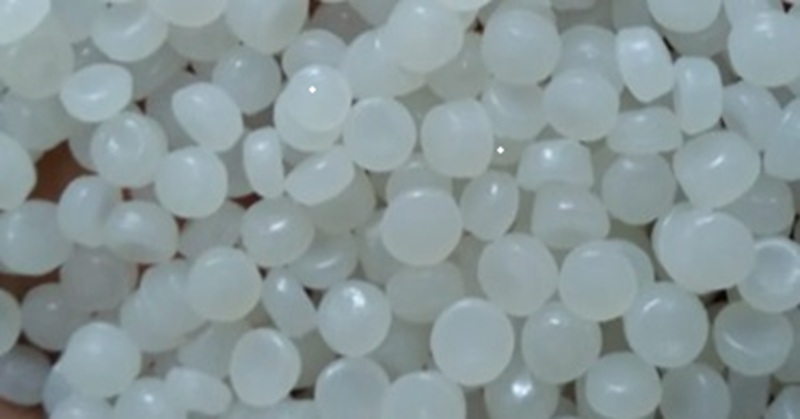
The initiative focuses on creating biobased plastic granules from cocoa husk powder, which can be used in various consumer products and packaging.