Thyssenkrupp and KÖKSAN unveil 1 major low emission PET plant investment
The global polymer industry is entering a new phase of transformation as sustainability and efficiency become central priorities
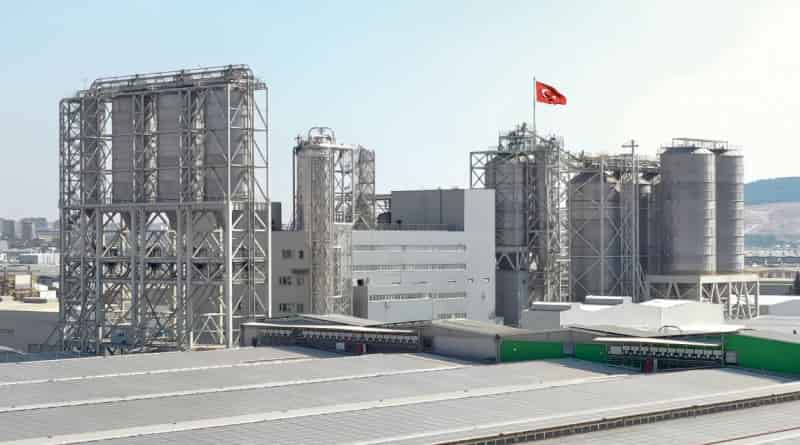
A significant step in this direction is the agreement between thyssenkrupp Uhde and Turkish packaging leader KÖKSAN to develop a low emission PET plant in Yumurtalık, Turkey. This strategic investment reflects the growing demand for environmentally responsible production technologies while strengthening supply chains across multiple regions.
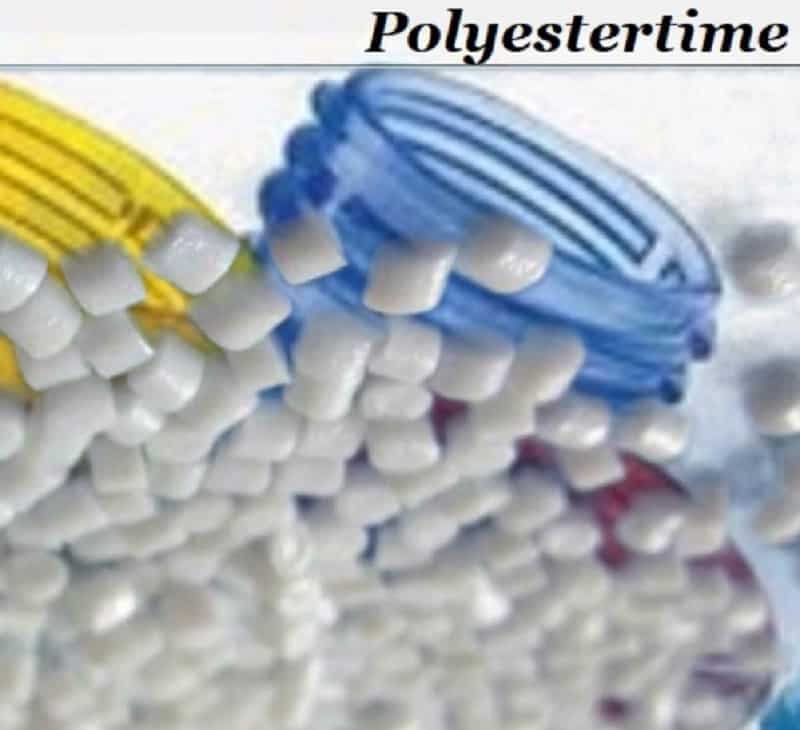
The new low emission PET plant will have an annual production capacity of 324,000 tons of PET resin. This output is designed to support a wide range of applications, including packaging materials and bulk continuous filament production. With completion scheduled for 2028, the project positions both companies at the forefront of sustainable polymer manufacturing.
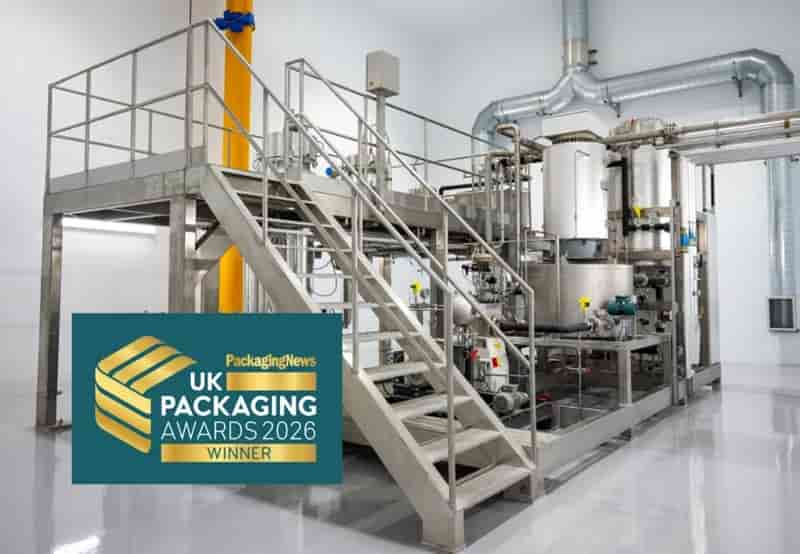
A key differentiator of this low emission PET plant is the adoption of the Melt-To-Resin technology developed by Uhde Inventa-Fischer. This advanced process significantly reduces energy consumption compared to conventional PET production methods. By eliminating energy-intensive stages, the low emission PET plant delivers both environmental and economic benefits, making it highly attractive in a market increasingly shaped by decarbonization goals.
thyssenkrupp Uhde’s role in the project is comprehensive
The company will provide the technology license, carry out both basic and detailed engineering, and supply all major equipment for the low emission PET plant. In addition, operational training will be delivered to KÖKSAN personnel, ensuring efficient plant performance from the early stages of commissioning. This integrated approach reduces operational risks and accelerates time-to-market.
For KÖKSAN, the investment in a low emission PET plant represents a strategic move to consolidate its leadership in the global packaging sector. The company already operates successful production lines and continues to expand internationally. With this new facility, KÖKSAN aims to increase supply to local markets while strengthening exports to Europe, the Middle East, the Americas, and Africa.
The environmental impact of the low emission PET plant is particularly noteworthy. The Melt-To-Resin process enables a reduction in carbon footprint of up to 30 percent by lowering fuel and electricity consumption. This aligns with global climate targets and responds to increasing regulatory pressure on industrial emissions. As sustainability becomes a competitive factor, the ability to operate a low emission PET plant offers clear advantages.
Technologically, the process is based on a continuous polycondensation system that removes the need for solid-state post-condensation
This simplification leads to lower capital expenditure and reduced operational costs. The use of advanced reactor systems ensures high product quality while maintaining efficiency. As a result, the low emission PET plant achieves higher raw material yield compared to traditional production setups.
From a market perspective, the investment comes at a time when demand for PET continues to grow, particularly in packaging and textiles. However, customers and regulators are increasingly focused on lifecycle emissions and recyclability. By implementing a low emission PET plant, KÖKSAN is addressing both production efficiency and environmental responsibility, positioning itself ahead of competitors.
thyssenkrupp Uhde also reinforces its role as a technology provider for sustainable industrial solutions. The company has decades of experience in engineering and constructing chemical plants worldwide. Its portfolio includes technologies for base chemicals, fertilizers, and polymers, as well as solutions for green hydrogen and sustainable materials. The development of a low emission PET plant further strengthens its positioning in the decarbonization landscape.
KÖKSAN, on the other hand, continues to expand its global footprint
The company exports to more than 100 countries and operates facilities across multiple continents. Its product portfolio includes PET resin, preforms, bottles, flexible packaging, and recycling solutions. The addition of a low emission PET plant enhances its ability to meet growing demand while maintaining environmental standards.
Another important aspect is the integration of sustainability into long-term business strategy. The shift toward a low emission PET plant is not only about compliance but also about future-proofing operations. As energy costs fluctuate and carbon pricing mechanisms evolve, efficient technologies provide resilience and cost stability.
The Yumurtalık location also plays a strategic role. Positioned with access to key logistics routes, the new low emission PET plant will facilitate efficient distribution to international markets
This geographic advantage supports KÖKSAN’s ambition to strengthen its export capabilities and global supply network.
Looking ahead, the project highlights a broader trend in the chemical industry. Investments are increasingly directed toward technologies that combine performance with sustainability. The low emission PET plant concept represents a model for future developments, where efficiency, cost-effectiveness, and environmental impact are addressed simultaneously.
In conclusion, the partnership between thyssenkrupp Uhde and KÖKSAN marks a significant milestone in sustainable polymer production. The development of a low emission PET plant demonstrates how technological innovation can align with economic goals and environmental responsibility. As industries worldwide move toward lower emissions, projects like this will play a critical role in shaping the future of manufacturing.
More…