Mexico textile industry – Mexico’s Textile Industry Seeks Recovery Through Value Added Production Nearshoring and Supply Chain Diversification Amid Persistently Low Manufacturing Capacity 30-01-2026
Mexico textile industry
Mexico’s Textile Industry Faces a Critical Recovery Phase
The Mexico textile industry is entering a decisive phase as manufacturers, trade organizations, and policymakers search for ways to reverse years of declining production and underused capacity. Faced with intense competition from low-cost Asian imports, the sector is redefining its strategy around differentiation, value creation, and regional integration rather than price-based competition.
Industry leaders emphasized during the 84th edition of Intermoda, Mexico’s leading fashion trade event, that survival now depends on moving up the value chain and reducing structural dependence on imported low-cost fabrics.
Manufacturing Capacity Remains Severely Underutilized
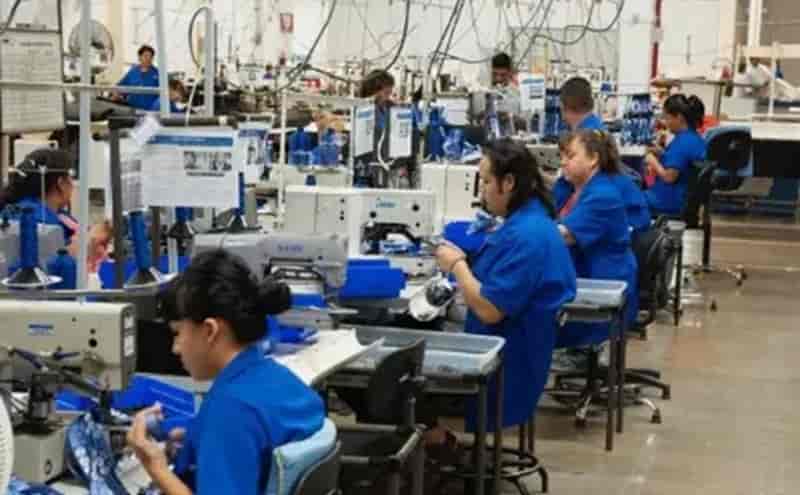
One of the most pressing challenges confronting the Mexico textile industry is the sharp underutilization of production capacity. Manufacturing plants in historic textile hubs such as Puebla, Tlaxcala, and Jalisco are currently operating at only 20 to 30 percent of their potential output.
This situation reflects years of market distortion driven by an influx of low-priced textiles from China and Vietnam. These imports have reshaped purchasing behavior among local designers and apparel manufacturers, who increasingly rely on foreign raw materials rather than domestically produced fabrics.
As a result, existing machinery, skilled labor, and industrial infrastructure remain idle, weakening the sector’s competitiveness and eroding its long-term resilience.
Shift From Price Competition to Value Creation
Industry consensus now holds that competing on price with Asian manufacturers is no longer viable for Mexico. Instead, the Mexico textile industry is repositioning itself toward higher value-added products, specialized fabrics, and differentiated apparel.
This strategic pivot prioritizes design, quality, speed to market, and customization. By focusing on premium and specialized textiles rather than mass-produced basics, Mexican manufacturers aim to reclaim relevance within North American supply chains.
This approach also aligns with growing demand from brands seeking shorter lead times, traceability, and regional sourcing flexibility.
Strategic Pivot Toward South American Sourcing
In response to ongoing trade pressures and recent changes in Mexico’s tariff policy, Intermoda is spearheading a shift in sourcing strategy. The initiative seeks to integrate textile suppliers from South America, particularly Colombia, Peru, Chile, and Brazil, into Mexico’s value chain.
The objective is twofold. First, to secure a more stable supply of higher-quality inputs. Second, to reduce exposure to countries without free-trade agreements, which now face a more restrictive trade environment.
For the Mexico textile industry, South American sourcing represents a pragmatic middle ground between domestic limitations and Asian dependency.
Preserving the Hecho en México Label
The Hecho en México label remains a cornerstone of the industry’s recovery narrative. However, industry leaders acknowledge that maintaining its credibility requires pragmatic flexibility.
In the short term, imported fabrics may continue to play a role, provided they are transformed into higher value finished goods within Mexico. This approach allows manufacturers to protect the national identity of production while adapting to current supply constraints.
The long-term objective remains clear: revitalizing domestic fabric production to reinforce the integrity of the label and strengthen local supply chains.
Plan México and the Nearshoring Opportunity
The Mexico textile industry has been designated a priority sector under Plan México, the federal government’s strategy to modernize traditional industries and integrate them more deeply into North American manufacturing networks.
The plan aims to recover approximately 50,000 jobs lost in recent years through multi-billion-dollar investments focused on technology upgrades, automation, and the formalization of small and medium-sized enterprises.
Nearshoring trends, accelerated by geopolitical uncertainty and supply chain reconfiguration, present a rare window of opportunity for Mexico to capture regional demand previously served by distant suppliers.
Industry Snapshot and Economic Significance
Despite current challenges, the Mexico textile industry remains a major economic pillar.
In 2024, the sector was valued at approximately 15 billion US dollars, with projected annual growth of 3 to 4 percent through 2033. Fashion apparel accounts for nearly 60 percent of total sector value, while polyester represents about 40 percent of fiber consumption.
The industry continues to support more than 350,000 industrial jobs across spinning, weaving, finishing, garment manufacturing, and logistics, underscoring its social and economic importance.
Reactivating Machinery and Rebuilding Local Production
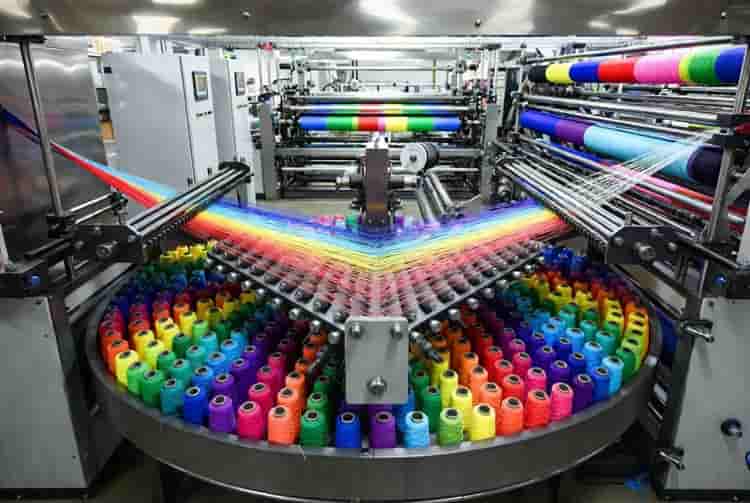
Industry specialists argue that recovery depends on reactivating underused machinery and reinvesting in domestic fabric production. Idle capacity represents both a weakness and an opportunity.
With the right incentives, modernized equipment, and supply chain coordination, existing infrastructure could rapidly scale output to meet regional demand. This would reduce import dependence and improve responsiveness to North American buyers.
The Mexico textile industry is increasingly viewed as a strategic component of hemispheric supply security rather than a low-cost manufacturing base.
Premiumization as the New Competitive Strategy
The future of the Mexico textile industry is no longer framed around mass production of basic garments. The focus has shifted decisively toward premiumization, technical textiles, and specialized applications.
Success will depend on the ability to deliver differentiated products that combine design, sustainability, and performance. This includes meeting rising expectations for environmental compliance, material transparency, and ethical production.
Roadmaps for Modernization and Sustainability
To support this transformation, textile chambers and industry associations are expected to define clear roadmaps for modernization. Priorities include upgrading facilities, improving logistics efficiency, and aligning production with sustainability standards demanded by international buyers.
If successfully implemented, these strategies could position the Mexico textile industry as a competitive, value-driven partner within the North American fashion ecosystem.
More…