Can Caprolactam’s 8% Surge Push Nylon Yarn prices Even Higher?
Can Caprolactam’s 8% Surge Push Nylon Yarn prices Even Higher?
Focus keyword: nylon yarn prices
Categories:
-
Nylon and polyamides
-
Chemical market analysis
Tags: caprolactam, nylon 6, nylon yarn prices, POY, FDY, DTY, benzene, filament yarn, polyamide market, textile raw materials
Excerpt:
Caprolactam rose 8% during August 17–25, 2026, putting further pressure on nylon yarn margins. The next move will depend on cost pass-through and demand.
Meta description:
Nylon yarn prices may rise further as caprolactam gains 8%, but weak demand and margin pressure could limit the next increase.
Permalink:nylon-yarn-prices-caprolactam-surge
Caprolactam leads the nylon chain higher
Nylon 6 filament yarn prices moved higher across all five tracked grades between August 17 and 25, 2026. POY 70D/24F recorded the strongest increase, rising 4.1% to $2.138/kg.
The move was significant, but it remained smaller than the increase in caprolactam, the key intermediate used to produce nylon 6 polymer and filament yarn. Caprolactam prices climbed by approximately 8% during the same period, outpacing both benzene and finished yarn grades.
This divergence is an important signal for the market. It suggests that cost inflation is moving through the nylon value chain faster than producers can pass it on to yarn buyers. In practical terms, spinning margins are coming under pressure.
The current market is therefore not simply a story of stronger textile demand. It is primarily a story of upstream cost escalation, limited pass-through and increasingly difficult purchasing decisions for yarn producers and converters.
Why the upstream increase matters
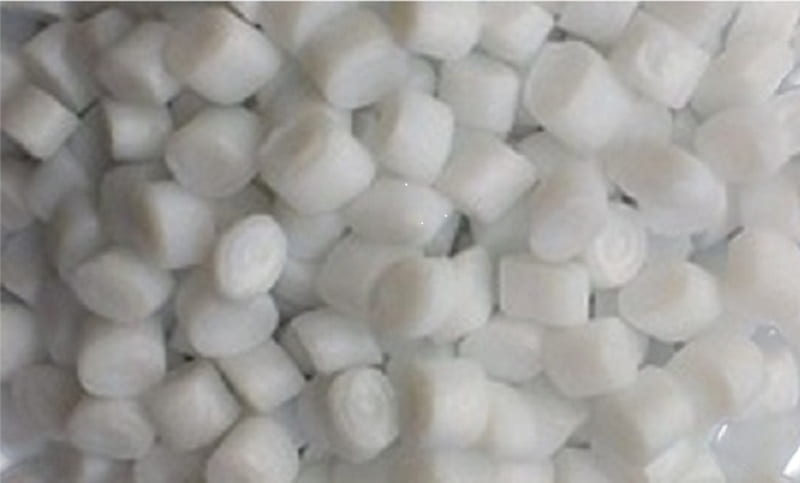
Caprolactam sits between benzene-based feedstocks and nylon 6. When its price rises sharply, polymer producers face higher conversion costs. Those costs then affect nylon 6 chips, which are subsequently spun into POY, FDY and DTY filament yarn.
The transmission of higher costs is not immediate or uniform. Each segment of the chain has different inventory positions, contract structures and competitive pressures. A yarn producer with low-cost inventory may temporarily protect margins, while another producer purchasing spot material may need to increase offers more quickly.
This helps explain why caprolactam advanced faster than finished filament grades during the latest tracking period.
European nylon 6 contract pricing also moved higher in August. ICIS assessed northwest European virgin nylon 6 at €2,300–2,500 per tonne, with the low end of the range increasing by €100 per tonne while the high end remained stable. ICIS reported that the increase in nylon 6 remained below the rise in key feedstock benzene, while demand was seasonally weaker and supply remained relatively ample.icis
The result is a squeeze between rising replacement costs and cautious downstream buying.
Filament yarn gains remain uneven
Although all five tracked grades strengthened, the pace of increase varied significantly.
POY 70D/24F led the market with a 4.1% increase to $2.138/kg. This grade’s performance indicates that buyers were willing to accept higher offers where replenishment was necessary or where sellers had limited room to absorb increased raw-material costs.
Other grades also moved upward, but the drawn-textured yarn segment was more restrained. DTY products generally carry additional processing value, but their prices can be less responsive when apparel, home-textile and industrial customers purchase only according to immediate requirements.
This creates an important distinction between cost support and demand support:
-
Cost support comes from higher caprolactam, polymer and energy expenses.
-
Demand support comes from stronger orders, improved utilisation and tighter finished-yarn availability.
-
Current evidence points more clearly to cost support than to a broad demand recovery.
If buyers continue to purchase only on a need basis, yarn producers may find it difficult to recover the full increase in caprolactam. Conversely, if customers begin rebuilding inventories, the market could experience a second wave of price increases. nylon yarn prices
Producers face a margin problem
The central issue is margin compression.
When caprolactam rises 8% but yarn increases by only around 4% in the strongest tracked example, the difference must be absorbed somewhere in the value chain. Depending on the producer’s inventory and contract position, the impact may appear as:
-
Lower spinning margins.
-
Higher yarn offers for new orders.
-
Reduced production rates.
-
Delayed purchasing of feedstock.
-
Greater preference for higher-value or faster-moving grades.
The situation may become more complicated if nylon 6 chip prices continue to follow caprolactam upward. Yarn producers cannot rely indefinitely on old inventory because replacement costs eventually determine the price required to maintain production.
BASF’s latest announcement supports the view that cost pressure remains active. The company said it would increase prices for caprolactam, polyamide 6 and PA 6,66 copolyamide in North America by $0.08 per pound from September 1, 2026, subject to contracts. BASF also warned that continuing volatility across the nylon value chain could require additional price adjustments.basf
That announcement does not directly determine Asian filament yarn prices, but it demonstrates that producers in several regions are attempting to restore profitability through price increases.
Can nylon yarn prices rise further?
The short answer is yes, but the size and speed of the next increase will depend on three factors.
1. Caprolactam replacement costs
If caprolactam remains elevated or continues to increase, nylon 6 polymer and filament producers will face growing pressure to raise offers. A sustained upstream rally would make further yarn increases more likely.
However, a one-week or short-term spike may not translate fully into finished yarn. Buyers may resist higher offers, while producers with existing inventory may delay adjustments.
2. Downstream demand
Demand is likely to be the deciding factor. If textile mills, garment manufacturers and other converters maintain a hand-to-mouth purchasing strategy, finished yarn prices may lag behind raw materials.
A stronger order flow would change the balance. Even moderate inventory rebuilding could allow yarn producers to pass through a greater share of the caprolactam increase.
3. Regional supply and imports
European prices are being influenced by ample supply, competitively priced imports and volatile feedstock conditions linked to geopolitical tensions. These factors can limit the ability of domestic producers to raise prices aggressively.icis
In Asia, operating rates, inventory levels and export demand will remain important. If producers reduce output in response to weak margins, availability could tighten and give sellers more negotiating power. If operating rates remain high, competition could restrain price increases even when costs are rising.
Market outlook
The near-term outlook for nylon yarn is cautiously bullish, but it is not an uncomplicated demand-led rally.
The 8% caprolactam increase has created a clear cost floor beneath nylon 6 yarn. POY, FDY and DTY sellers are likely to continue seeking higher prices, particularly for new orders and prompt delivery. The strongest pressure should remain in grades where inventories are tight or where buyers cannot easily substitute other materials.
At the same time, the current divergence between caprolactam and filament yarn prices warns that the market may be approaching a resistance point. Buyers could postpone purchases, switch suppliers or reduce order volumes if yarn prices rise too quickly.
For procurement teams, the most useful indicators to monitor are caprolactam spot and contract prices, benzene movements, nylon 6 chip offers, producer operating rates and the spread between POY, FDY and DTY prices.
For yarn producers, the priority is margin protection. The latest increase demonstrates that passing through upstream costs gradually may not be sufficient when caprolactam moves sharply in a short period.
Conclusion
Caprolactam’s 8% surge can push nylon yarn prices higher, but further gains are unlikely to be automatic. The latest data show that cost pressure is moving faster than finished-yarn pricing, compressing spinning economics rather than reflecting a broad-based demand shock.
If caprolactam remains firm and downstream buyers return to the market, nylon yarn could see another round of increases. If demand stays cautious and imports remain competitive, producers may struggle to pass through the full cost increase.
For now, the nylon 6 chain is best described as upstream-led and margin-sensitive. The next decisive signal will be whether higher caprolactam costs translate into stronger yarn orders—or simply wider pressure on producer profitability.
More….