Oil Prices and the US–Iran War: Why Brent Is Near $86 and WTI Near $81
Oil Prices and the US–Iran War: Why Brent Is Near $86 and WTI Near $81
Oil prices today
Oil prices are extending their decline on Thursday, August 27, as investors assess diplomatic efforts to reduce disruption in the Middle East. Brent crude is trading around $86–87 per barrel, while West Texas Intermediate is close to $81–82 per barrel.
The latest market indications show Brent down approximately 0.7% at $87.24 per barrel and WTI down 0.7% at $81.67. Brent has fallen for a fourth consecutive session, while WTI has recorded a fifth straight decline.reuters
The weaker trend suggests that traders are currently assigning less probability to an immediate and prolonged closure of the Strait of Hormuz. However, prices remain significantly higher than before the conflict began, and the market remains vulnerable to new military or diplomatic developments.
Hormuz remains the central risk
The Strait of Hormuz is the most important factor influencing crude oil prices during the conflict. Before the war, the waterway carried approximately one-fifth of global oil and liquefied natural gas supplies.
Traffic through the strait has fallen sharply since the conflict began. According to Reuters, only five commodity vessels crossed the waterway on Tuesday, compared with a recent ten-day average of 15 vessels. The reduction has limited the movement of crude oil, refined products and LNG from the Persian Gulf.wealthinsights.metrobank.com
The current decline in prices is therefore not a sign that the supply risk has disappeared. Instead, the market is reacting to the possibility that traffic could gradually recover through negotiated shipping arrangements.
Iran–Oman talks reduce the risk premium
Diplomatic contacts between Iran and Oman are helping to calm the oil market. The two countries are reportedly working on arrangements concerning navigation through the Strait of Hormuz, including the movement of commercial vessels.
Qatar is also expected to engage with Iranian officials in an effort to reduce tensions. These developments have encouraged traders to reduce part of the geopolitical premium previously included in crude prices.reuters
A credible agreement that restores regular shipping would probably place further downward pressure on Brent and WTI. The effect could be particularly strong if tankers return to the route quickly and buyers regain confidence in Gulf supply.
Nevertheless, negotiations remain fragile. Until there is evidence of sustained vessel traffic, the market is likely to treat the diplomatic progress as provisional rather than definitive.
Why oil has not reached $120 again
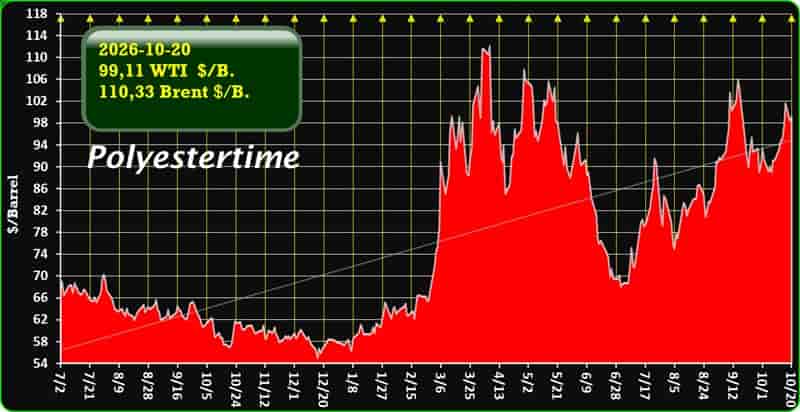
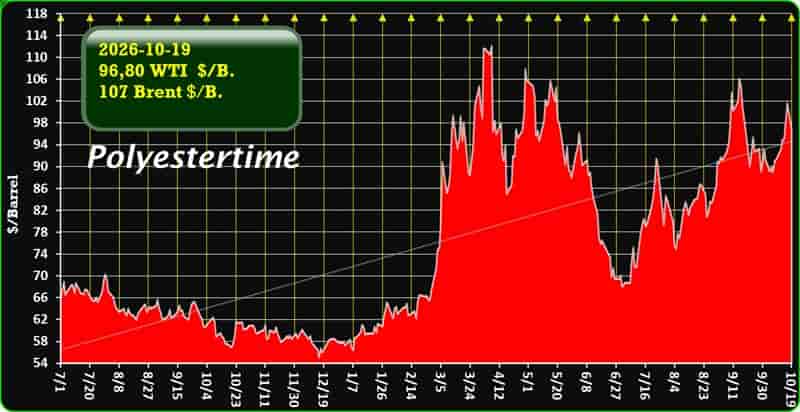
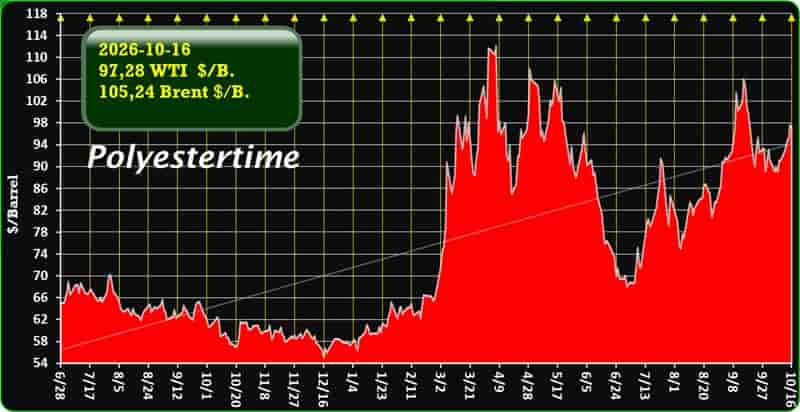
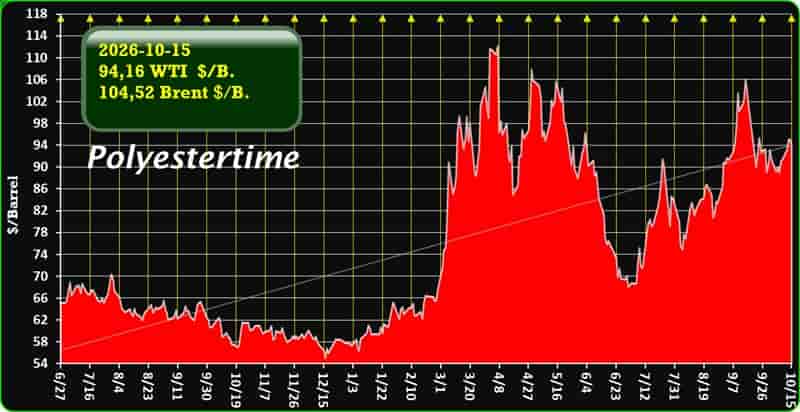
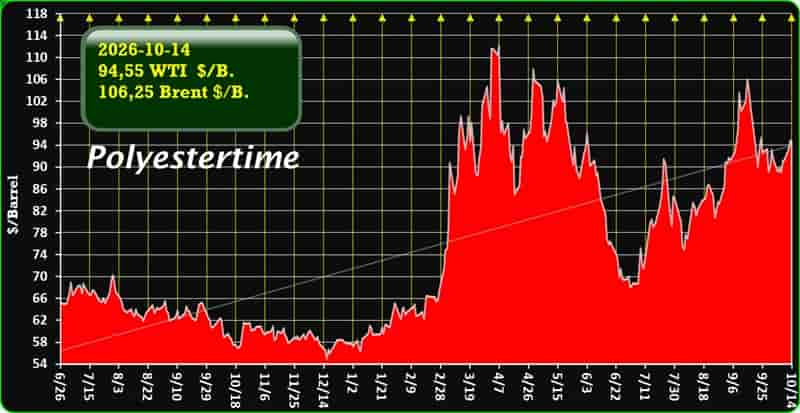
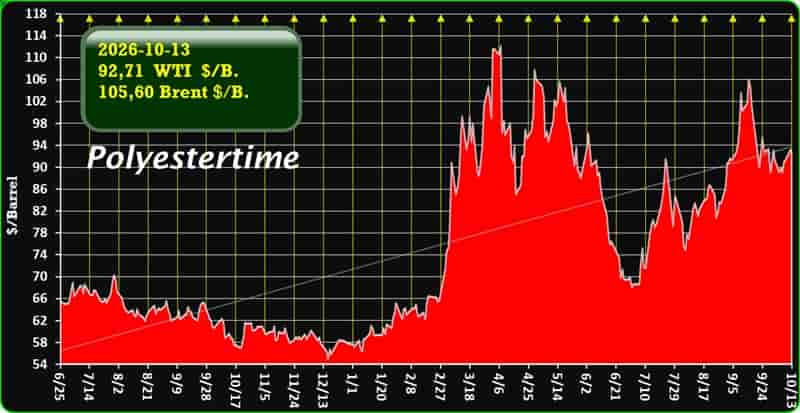
The US–Iran war has caused a serious disruption to energy flows, but crude prices have not remained near their wartime highs. Brent briefly exceeded $120 per barrel in April, while its average price in 2026 is approximately $90 per barrel, compared with around $70 in the previous year.reuters
Several factors have limited the rise:
-
Additional production outside the Persian Gulf has helped compensate for part of the lost supply.
-
Lower Chinese crude imports have reduced global demand.
-
Existing inventories have provided a temporary cushion.
-
Some oil continues to move through alternative routes or under more difficult shipping conditions.
-
Traders are still pricing in the possibility of a diplomatic solution.
The U.S. Energy Information Administration has also reported that China imported less crude oil in the second quarter of 2026. Higher prices and disrupted flows through Hormuz reduced Chinese demand, limiting some of the upward pressure on the global market.eia
This balance explains why oil is trading below its peak despite a major geopolitical crisis. The market is tight and exposed, but it has not experienced a complete loss of global supply.
Refined products face greater pressure
For consumers and industrial buyers, the most important risk may not be crude oil itself but refined products.
Diesel, jet fuel and other middle distillates have been more heavily affected by shortages and logistical constraints. Reuters reports that diesel prices have risen more sharply because of reduced Gulf exports, refinery outages in Russia and disruptions caused by attacks on energy infrastructure.reuters
This distinction is important for the chemical and plastics industries. Even if Brent remains close to $86 per barrel, higher freight costs, insurance premiums, diesel prices and refinery margins can still increase the delivered cost of feedstocks and finished materials.
The impact may therefore appear through:
-
Higher transportation costs for naphtha, polymers and chemical intermediates.
-
Increased energy costs for steam crackers and refineries.
-
Greater volatility in regional feedstock assessments.
-
Wider differences between crude benchmarks and local product prices.
-
More expensive marine insurance for vessels operating near the Gulf.
For European buyers, the relationship between crude oil, naphtha and polymer pricing should be monitored carefully. A lower Brent price does not automatically translate into lower contract prices if logistics and refining costs remain elevated. US–Iran war
The market’s three scenarios
The next phase of the oil market will depend largely on the security of the Strait of Hormuz.
1. Gradual reopening
In this scenario, diplomatic talks lead to a controlled and sustained return of commercial shipping. Brent could face additional downward pressure as the geopolitical premium declines and physical supply becomes more predictable.
This would be the most favorable outcome for refiners, petrochemical producers, transport companies and energy-intensive manufacturers.
2. Prolonged restricted traffic
A partial reopening would allow some vessels to pass but would leave shipping costs and insurance premiums above normal levels. Oil prices could remain volatile, with Brent moving around a relatively high range even if outright supply losses are limited.
This scenario would probably keep pressure on diesel, marine fuel and Gulf-related delivery costs. US–Iran war
3. Renewed escalation
A military escalation, new attacks on shipping or a complete closure of the strait could quickly reverse the current price decline. The market would again price in a larger supply shock, potentially pushing Brent sharply higher.
The impact would extend beyond crude oil. LNG, diesel, jet fuel, fertilizers and petrochemical feedstocks could all experience simultaneous disruption.
What industrial buyers should monitor
Companies exposed to oil and petrochemical prices should focus on physical indicators rather than relying only on daily futures movements.
The most relevant signals are:
-
The number of commercial vessels transiting the Strait of Hormuz.
-
Insurance and freight rates for Gulf cargoes.
-
Saudi, Emirati, Iranian and Qatari export volumes.
-
European naphtha and gas prices.
-
Diesel and jet-fuel cracks.
-
Refinery utilization and unplanned outages.
-
Chinese crude imports and refinery activity.
-
New sanctions or military announcements from Washington and Tehran.
U.S. crude inventories are another important short-term indicator. On Wednesday, data showed that U.S. crude stocks increased by only 95,000 barrels to 428.9 million barrels for the week ending August 21, below the 597,000-barrel increase expected by analysts.wealthinsights.metrobank.com
That smaller-than-expected inventory build limited the downward move in oil prices, showing that physical market data can offset geopolitical optimism.
Outlook for Brent and WTI
The immediate direction of oil prices is negative because traders are reducing the risk premium associated with a possible Hormuz blockade. Brent near $86–87 per barrel and WTI near $81–82 reflect a market that expects at least some improvement in regional shipping conditions.
However, the underlying risk remains elevated. Brent is still well above its pre-war level, and the conflict continues to affect crude exports, refined products and LNG flows. Reuters estimates that oil exports through the Strait of Hormuz averaged only 2.2 million barrels per day in August, while total regional crude exports were also significantly below previous levels.reuters
For the coming sessions, diplomatic headlines may continue to dominate trading. A confirmed reopening would favor lower prices, while a breakdown in negotiations could quickly restore a large geopolitical premium.
The central message for energy and chemical markets is clear: the fall in oil prices reflects reduced immediate risk, not the end of the supply crisis.
Oil Prices and the US–Iran War: Brent Near $85
More…