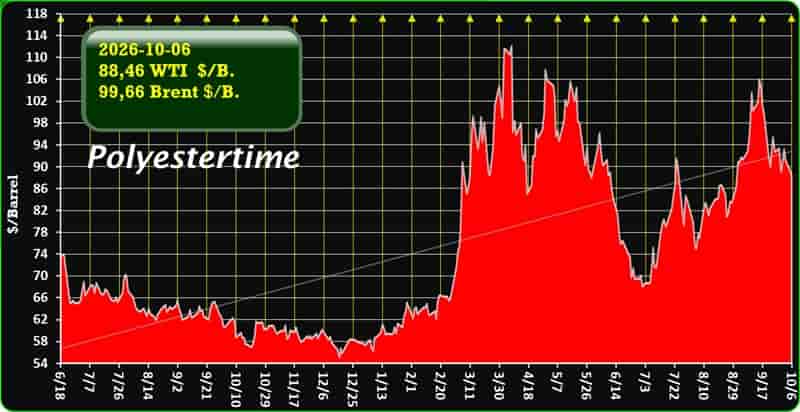
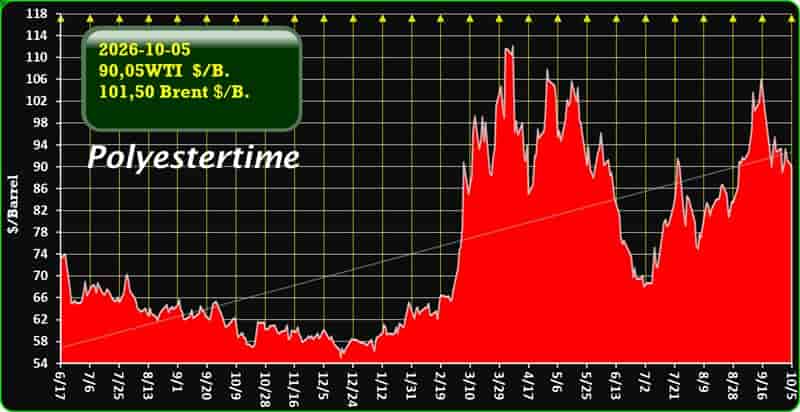
Oil Price Rollercoaster: Brent Near $68.33 and WTI Around $64 on Feb 6, 2026 — Geopolitics, OPEC+, Supply Surplus, and Sentiment Swirl Markets 06-02-2026
📊 Current Oil Price Snapshot (Feb 6, 2026)
| Benchmark | Approx. Price ($/bbl) | Direction |
|---|---|---|
| Brent Crude | ~68.33 | Modest downtrend |
| WTI Crude | ~64.10 | Holding near support |
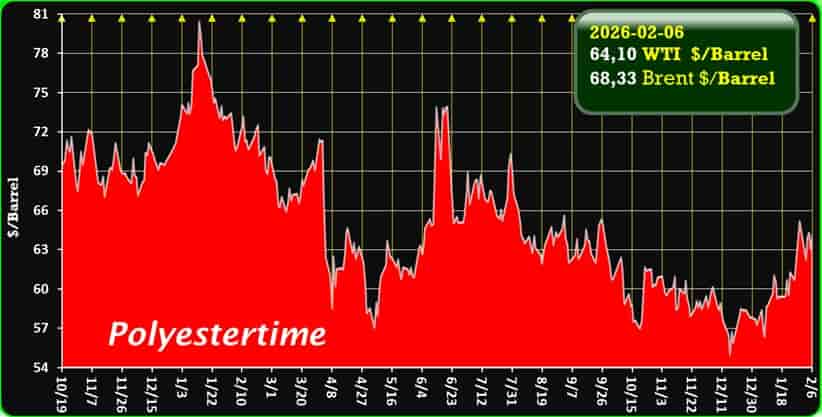
As of February 6, 2026, the oil price landscape is showing Brent crude around $68.33 per barrel and WTI near $64.10 — modestly lower compared with recent volatility but still reflective of broader market tensions and supply dynamics.
🛢️ What’s Moving Oil Prices Today?
1. Geopolitical Developments Still Matter
Geopolitical risk continues to influence oil price levels. Recent diplomatic engagement between the U.S. and Iran has eased conflict fears that earlier drove sharp price swings, shaving volatility from the market. Oil benchmarks dipped after confirmation of talks in Oman to reduce tensions, cutting into the risk premium that had previously supported higher prices.
However, this bounce and retracement pattern highlights how sensitive crude markets are to geopolitical signaling. Even the prospect of negotiations — without a finalized agreement — can pull premium out of prices, while any breakdown in talks could reignite upward pressure almost immediately.
📦 Supply and Demand Fundamentals
Global Oversupply Looms Large
Despite geopolitical headlines, a persistent oversupply backdrop continues to influence oil price dynamics. Most analysts expect supply to outpace demand in 2026, with inventories lingering at elevated levels, especially in the U.S. and among non-OPEC producers.
Even with temporary inventory draws (such as weather-related production drops in the U.S.), structural surpluses dampen sustained rally potential.
OPEC+ Keeps Production Steady
In early February, OPEC+ decided again to maintain a production freeze through March 2026, resisting calls for deeper cuts despite occasional price rebounds.
This decision suggests that major producers remain cautious about tightening supply further when demand gains are uneven. The strategy reflects the ongoing balancing act between defending market share and supporting prices — a key influence on current oil price behavior.
📈 Investor Sentiment and Market Psychology
Sentiment among oil traders has oscillated in recent weeks:
-
Risk-on sentiment briefly lifted markets when geopolitical frictions last month sparked fear of supply disruption.
-
Risk-off sentiment returned as diplomatic channels opened, prompting profit-taking and a retreat from speculative positions.
Unsurprisingly, sentiment now sits in a cautious zone — traders are neither aggressively bullish nor deeply bearish but look ready to respond to headlines and data releases. This “headline-driven” trading can amplify short-term swings in oil price.
📉 Economic Indicators and Demand Signals
Global economic conditions also feed into price dynamics:
-
Sluggish demand growth expectations in 2026 (below long-term trend) undermine strong upward momentum.
-
A resilient U.S. dollar often pressures dollar-priced commodities, including crude oil.
These macro fundamentals compound the oversupply narrative and temper expectations of a strong breakout above current oil price levels.
📊 Quick Reference: What Markets Are Watching
| Factor | Impact on Oil Price |
|---|---|
| U.S.–Iran Talks | Reduced geopolitical risk premium |
| OPEC+ Output Freeze | Neutral to slightly supportive |
| Global Supply Surplus | Downward pressure |
| Inventories | Oversupply keeps prices in check |
| Investor Sentiment | Returns sensitivity to headlines |
🔮 Short-Term Outlook
In the near term, oil price could continue to trade in a relatively narrow range:
-
Upside catalysts: renewed geopolitical tension, unexpected inventory draws, or stronger-than-expected demand data.
-
Downside risks: persistent oversupply, soft macroeconomic indicators or easing geopolitical risk sentiment.
Several forecasts suggest WTI could revisit support near $60 if bearish momentum resumes, while Brent may find resistance if markets test $70 again.
⚖️ What This Means for the Global Economy and Energy Markets
Stable or slightly softer oil prices can benefit global economic growth by easing cost pressures for consumers and industries alike. Lower energy costs typically support transportation, manufacturing, and inflation metrics — a welcome signal for policymakers addressing sluggish growth.
However, prolonged weakness in oil price could strain energy exporters heavily reliant on oil revenues, potentially triggering fiscal recalibrations in producer economies.
🧠 Final Takeaways
-
Oil prices remain range-bound amid a mix of geopolitical signals and fundamental supply-demand imbalances.
-
Brent near $68.33 and WTI near $64 reflect a cautious market pricing both risk and oversupply.
-
Investor sentiment is key — markets are reactive to news, especially around geopolitical developments and OPEC+ decisions.
Staying attuned to headline risk, inventory data, and macroeconomic trends will be crucial for anticipating movements in the oil price in the coming weeks.
More….