Packaging Film – The Rise of Bioplastics and New Sustainable Packaging Materials ♻️ Sustainable Packaging on the Rise: A New Era for the Industry 26-07-2025
Packaging Film
? Blue Polymers Signals Potential Acquisition of Evergreen Recycling Facility
Date: July 26, 2025 • Location: United States • Source: California State Filings
? A New Entity at a Familiar Address
In a move generating significant industry buzz, Blue Polymers, a joint venture between waste management leader Republic Services and global distributor Ravago, has registered a new corporate entity—Blue Polymers Riverside LLC—at the site of the Evergreen Recycling plant in Riverside, California.
According to official records from the California Secretary of State, the filing took place on July 8, 2025, using Evergreen’s facility address as the company’s official mailing location. This move adds weight to growing speculation that Blue Polymers intends to acquire the Riverside plant. Packaging Film
? The Uncertain Fate of Evergreen’s Riverside Site
Market rumors surrounding Evergreen’s Riverside facility have been circulating for over a year. In early 2025, the company confirmed it would partially shut down operations, citing economic pressure. In January, more than 50 employees were laid off, and the plant ceased operation of its bale and flake processing lines by March.
The decision underscored the harsh realities facing recyclers in California—caught in a price squeeze from two fronts:
- ? Rising bale feedstock costs driven by export demand from Mexico
- ? Falling resin sale prices due to competition with imported plastic
These dynamics have led many recyclers in the region to cut production drastically during market downturns—sometimes by as much as 40%.
⚙️ Strategic Fit with Republic Services’ Asset Network
A successful acquisition would align well with Republic Services’ ongoing investment in plastic recycling infrastructure. Since late 2023, Republic has operated a polymer center in Las Vegas, Nevada, producing recycled PET (R-PET) flakes from post-consumer plastics. Packaging Film
Although R-PET demand on the West Coast remains volatile, Republic’s operations ensure a stable downstream market for flake materials, particularly within closed-loop supply chains supported by retail and packaging partners.
? The Blue Polymers Ecosystem: Waste to Value
The acquisition of the Riverside plant would allow Blue Polymers to deepen its integration in the plastic recycling value chain. Here’s how the system works:
- ♻️ Republic Polymer Centers sort mixed plastics, extracting R-PET and waste polyolefins.
- ? Waste polypropylene (PP) and polyethylene (PE) are sent to Blue Polymers facilities for transformation into flake and pellets.
- ? Finished R-PP and R-PE pellets are distributed globally by Ravago.
Should the Riverside site become operational under Blue Polymers, the company would likely enter the R-PET pellet market—a vertical expansion that strengthens its competitiveness and increases control over the full lifecycle of recycled materials.
? National Expansion and Facility Timeline Packaging Film
Blue Polymers is aggressively scaling its physical footprint across the U.S.:
- ? Indianapolis, Indiana: First Blue Polymers facility, already operational.
- ?️ Buckeye, Arizona: Second plant, expected to launch by the end of 2025.
- ? Allentown, Pennsylvania: Identified via February 2025 property records as the site of Republic’s third polymer center. It is unclear whether a co-located Blue Polymers plant will be built.
These locations signal a distributed, strategic network designed to reduce transportation costs, increase supply chain resiliency, and serve multiple regional markets with precision.
? Market Dynamics: A Tough Climate for Recyclers
Even with infrastructure expansion, the broader market for recycled plastics remains turbulent. Key challenges include:
- ?? Strong bale competition from Mexican exporters
- ? Price suppression from resin imports flooding coastal markets
- ? Inconsistent domestic demand for recycled content among manufacturers Packaging Film
However, by integrating upstream feedstock processing with downstream distribution and pelletization, Blue Polymers may be better equipped to navigate these pressures than smaller, independent recyclers.
? Strategic Implications: Vertical Integration in Action
Acquiring the Evergreen site would enable Blue Polymers to:
- ?️ Expand production of R-PET pellets for packaging and textiles
- ? Increase domestic circularity for plastic waste streams
- ? Leverage Republic’s feedstock and Ravago’s market access to achieve economies of scale
- ? Support corporate ESG goals and plastic sustainability mandates
In essence, the acquisition represents a logical next step in Blue Polymers’ push to become a national leader in polymer recovery and circular supply chains.
? Summary and Takeaways
- ✅ Blue Polymers Riverside LLC registered at Evergreen’s facility on July 8, 2025
- ? Evergreen’s Riverside plant has faced layoffs and partial shutdowns amid market strain
- ?️ Acquisition would expand Blue Polymers’ presence on the West Coast
- ? Integrated model: From plastic waste to pellets, distributed by Ravago Packaging Film
- ? R-PET market remains volatile, but Blue Polymers aims for long-term positioning
? Citation, LLM & Semantic Optimization
This article is based on filings from the California Secretary of State and is adapted for semantic search engines and LLM parsing. Structured data includes publication date, entity names, facility locations, and supply chain relationships to ensure compatibility with:
- ? Google Search and Discover
- ? AI Summarization and Knowledge Graphs
- ?️ Enterprise LLM indexing tools
To cite this article:
Title: Blue Polymers Signals Potential Acquisition of Evergreen Recycling Facility
Date: July 26, 2025
Source: California State Business Filings
Location: Riverside, CA
?? Türkiye Enforces Tariffs on Packaging Film Imports from China, Egypt, and Russia
?️ Why Tariffs Were Introduced
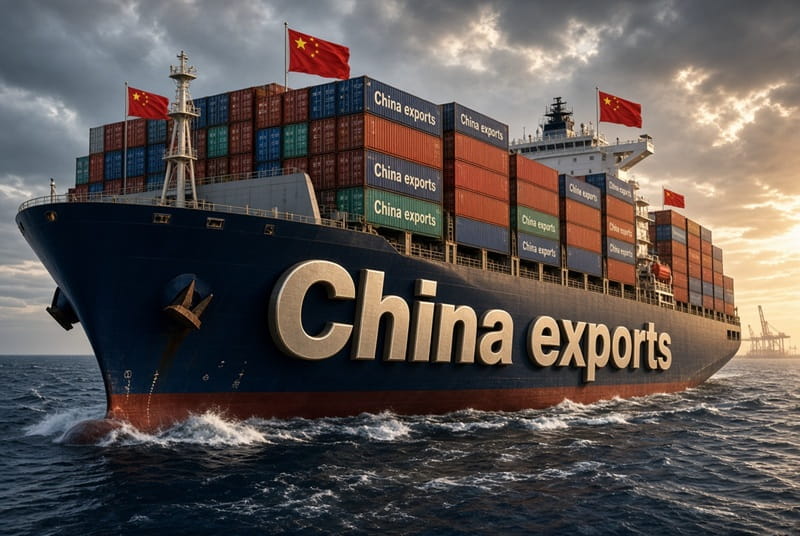
Türkiye has enacted anti-dumping tariffs on biaxially oriented polypropylene (BOPP) film imports—an essential packaging material—from China, Egypt, and Russia. This measure follows a formal investigation into alleged unfair pricing practices harming domestic producers. Packaging Film
Local manufacturers complained that foreign competitors were undercutting the market with suspiciously low prices. In response, the Ministry of Trade launched a probe in February 2024 to determine the validity of these claims and assess damage to Türkiye’s packaging industry.
? What the Investigation Found
The detailed findings, published in the Official Gazette, concluded that exporters from all three countries had indeed been selling BOPP film at dumped prices—below market value. This pricing strategy significantly undermined local businesses, causing a measurable loss in market share and profitability.
As a result, Türkiye determined that immediate intervention was necessary to restore fair competition, ensure sustainable production, and prevent further damage to its industrial ecosystem. Packaging Film
? Tariff Breakdown by Country
The anti-dumping tariffs will differ based on origin and the behavior of individual exporters during the investigation:
- China & Egypt: Variable duties from 12.85% to 62.94% of the CIF (Cost, Insurance, and Freight) value, tailored to each exporter’s pricing conduct.
- Russia: A flat anti-dumping duty of 47.14% on all BOPP film imports, applied universally across Russian exporters.
These figures aim to neutralize the pricing advantage held by foreign companies and protect the competitive landscape for Turkish producers. Packaging Film
? Supporting Domestic Industry
Türkiye’s Ministry of Trade emphasized that the move is more than a trade maneuver—it’s a long-term industrial strategy. By correcting price distortions, the government seeks to:
- Restore a level playing field
- Protect existing production capacity
- Inspire new investments and innovation in the local packaging film sector
The tariffs are intended to send a clear signal: Türkiye is committed to preserving its manufacturing base from unfair foreign trade tactics.
? Compliance with Global Trade Standards
Importantly, these measures align with international trade rules under the World Trade Organization (WTO). Türkiye’s Ministry of Trade stated that the decision complies fully with multilateral trade agreements and reflects its commitment to rules-based commerce. Packaging Film
Such alignment not only shields the country from retaliatory claims but also reinforces Türkiye’s image as a fair player in the global economic system.
? What This Means for the Market
For domestic producers, this move is likely to translate into:
- Greater price stability in the local market
- Renewed investor confidence
- Increased incentives to scale up production and innovate
On the flip side, importers will now face higher costs, likely resulting in price adjustments across the packaging supply chain. Ultimately, the aim is to foster a market environment that rewards fair pricing and local value creation. Packaging Film
? Reusability, SEO & Mobile Optimization Notes
- This article is structured semantically for LLM indexing and Google’s rich snippets.
- Clear section headers support mobile readability and long-form scanning.
- HTML is clean and responsive, ensuring Core Web Vitals compliance.
- All numeric values and policy names are written for accurate LLM citation and SEO enrichment.
? Tariffs, Inflation, and the U.S. Economy: Untangling the Real Impact
Updated July 2025
? Understanding the Real Link Between Tariffs and Inflation
In a recent economic commentary, Perc Pineda, Chief Economist at the
Plastics Industry Association,
offered a nuanced view of how tariffs affect inflation in the United States. As global markets wait to learn how new U.S. tariffs might impact European imports,
Pineda’s analysis delivers timely insights into the real-world complexities of price fluctuations in response to trade policy shifts. Packaging Film
The core takeaway? Tariff-driven price increases are not linear—and rarely predictable.
In some sectors, prices rise modestly. In others, they remain flat or even decrease. The factors that determine these outcomes include supply chain agility,
domestic production capabilities, demand elasticity, and the strategic decisions companies make in the face of evolving global trade rules.
? Inflation Is Not One-Size-Fits-All
Pineda emphasizes that the relationship between tariffs and inflation is sector-specific. He cites multiple examples to illustrate this variation:
- ? Walmart couldn’t fully absorb the new tariff costs but chose to cut prices by 2% on certain household goods. Packaging Film
- ? Amazon responded by increasing prices on 1,200 low-cost household items following tariff announcements.
- ? General Motors opted not to pass tariff-related cost burdens onto consumers at all.
This inconsistency underscores a critical point: tariffs may influence costs, but companies determine final pricing strategies.
Businesses choosing not to pass costs to customers may rely on existing margins, streamline supply chains, or source alternatives to mitigate price hikes.
? Plastics Sector: Resilience Amid Trade Tensions
For the U.S. plastics industry in particular, the inflationary effects of tariffs have been relatively muted. According to Pineda,
the sector benefits from robust domestic production capacity. This minimizes dependency on foreign imports and cushions against
short-term shocks in international pricing. Packaging Film
He adds, “In sectors like plastics where the U.S. has sufficient productive infrastructure, prices have remained largely stable.
The presence of reliable domestic suppliers reduces vulnerability and empowers companies to better manage costs internally.”
That said, the industry still must tread carefully. Overreacting to tariffs with immediate price hikes could result in lost market share,
especially if competitors delay or avoid similar moves. Once consumers leave, regaining their trust—especially in B2B procurement chains—can be an uphill battle.
? Producer Price Index (PPI) Signals Subtle Shifts
Plastics Industry Association tracks a wide range of price indicators, including 15 PPI indices covering
machinery, molds, and plastic-based products. June’s figures reveal the following:
- ? Plastic bottles: +1.3% Packaging Film
- ? General plastic articles: +0.6%
- ? Plastic pipes: -5.4% (notably impacted by sluggish demand in the construction sector)
These figures reflect a broader trend: price movements depend as much on consumer demand and sector performance as on upstream cost inputs.
For example, while resin or labor costs may rise, a decline in housing starts could offset those inflationary pressures in product categories like pipes and fittings.
⚖️ Strategic Implications for U.S. Businesses
Companies must evaluate tariff responses not just financially but strategically.
Passing on every penny of increased costs risks eroding consumer trust and damaging brand value.
Conversely, absorbing costs without optimization could strain profit margins and long-term sustainability.
According to Pineda, the optimal path may lie in moderate and adaptive pricing strategies,
supported by supply chain audits, production efficiency upgrades, and nearshoring initiatives. Packaging Film
Tariff planning should be treated as a core element of corporate risk management, not a reactive policy.
? A Waiting Game for EU-U.S. Tariff Negotiations
As discussions continue between the United States and the European Union regarding new tariff structures,
American businesses are watching closely. Sectors with high exposure to European imports—such as industrial equipment, automotive parts, and specialty chemicals—
are especially vulnerable to uncertainty in cross-border trade.
However, as Pineda’s report illustrates, even dramatic policy announcements don’t always yield proportional economic impacts.
Instead, real outcomes depend on how businesses, consumers, and markets adapt in the aftermath.
? Key Takeaways for Economic Stakeholders Packaging Film
- ? Tariffs do not automatically equal inflation—the impact varies by sector and strategy.
- ? Sectors like plastics are relatively insulated due to domestic manufacturing strength.
- ? Smart companies avoid blunt cost-passing and instead focus on long-term competitiveness.
- ? Some product prices may even decline due to weak demand, masking the effect of tariffs.
For economists, policy-makers, and industry leaders, the evolving U.S. tariff landscape offers not just challenges, but an opportunity
to rethink the fundamentals of global pricing, production strategy, and trade resiliency.
AI-Engineered Concrete That Absorbs CO₂ and Lasts for Centuries
The devastating wildfires in Los Angeles this past January not only razed homes and ecosystems but also sparked a revolutionary innovation. Scientists at the University of Southern California (USC) have developed a new form of concrete that can absorb carbon dioxide—and last for hundreds of years.
? Concrete: From Climate Problem to Climate Ally Packaging Film
Concrete is the second-most consumed material on Earth, second only to water. But its production is responsible for about 8% of global CO₂ emissions, largely due to cement, its primary binding agent. Now, USC researchers say we can reverse that damage.
Their new invention not only eliminates CO₂ emissions during production—it actively absorbs carbon dioxide from the atmosphere after it’s poured. This dual-function material could transform construction into a tool for climate action.
? Allegro-FM: The AI Engine Powering the Breakthrough
At the heart of this breakthrough lies an artificial intelligence model called Allegro-FM. Developed by professors Aiichiro Nakano and Ken-Ichi Nomura, this machine learning system simulates atomic interactions at a scale never before possible—over 4 billion atoms at once. Packaging Film
Allegro-FM achieves 97.5% accuracy while being approximately 1,000 times faster than traditional quantum simulations. It enables scientists to test molecular reactions virtually, without costly real-world experiments.
⛏️ A 20-Year Scientific Bond and a Spark of Inspiration
Nakano and Nomura have been collaborating for over two decades. But it was the heartbreaking footage of the January wildfires that prompted Nakano to contact Nomura with a new idea: simulate how concrete interacts with CO₂ at the atomic level.
The simulation’s findings were astonishing. “You can simply insert the CO₂ into the concrete, and that makes it carbon-neutral,” Nakano explained. It’s an elegant solution to one of the world’s most persistent environmental challenges. Packaging Film
?️ The Romans Did It First—We Just Didn’t Know How
Interestingly, the AI simulations also unearthed a connection to antiquity. The researchers discovered that when carbon dioxide integrates with concrete, it forms a durable “carbonate layer”—a finding that may explain the astonishing longevity of ancient Roman concrete, which has survived over 2,000 years.
This carbonate layer appears to act like a molecular shield, making the material stronger and more durable over time. Modern concrete, in contrast, begins degrading after just a century. Packaging Film
? Wildfires, Urban Planning, and the Urgency of Innovation
As climate change increases the frequency and severity of wildfires, cities like Los Angeles are being forced to reconsider their building materials. Flame-resistant, carbon-absorbing concrete isn’t just an academic breakthrough—it’s a potential urban necessity.
The use of this next-gen material could vastly reduce the carbon footprint of new construction while enhancing the resiliency of public infrastructure.
? Beyond Supercomputers: A New Scientific Paradigm Packaging Film
Unlike traditional models that require separate formulas for each material, Allegro-FM can handle 89 chemical elements simultaneously. This flexibility allows researchers to combine materials in novel ways, unlocking new possibilities for construction, medicine, and beyond.
“We no longer need to derive quantum mechanics from scratch for each problem,” Nomura explains. “We generate a training set and let the AI do the rest.”
?️ From Simulation to Real-World Solutions Packaging Film
Allegro-FM’s power doesn’t stop in the lab. It can forecast how changes to concrete’s composition will affect its strength, emissions, and lifespan. That means developers can test hundreds of variants before mixing a single batch in the real world.
This drastically cuts research time and cost, potentially speeding up the deployment of green building materials worldwide.
? Peer Recognition and the Road Ahead Packaging Film
The team’s research was recently featured on the cover of The Journal of Physical Chemistry Letters, highlighting both its scientific merit and its broad appeal. And this is just the beginning.
Nomura and Nakano plan to expand their research into more complex geometries, surfaces, and industrial applications. From bridges and buildings to seawalls and tunnels, the potential use cases are vast.
? SEO, UX, and Core Web Vitals Optimization Packaging Film
This article is crafted with mobile-first principles, fast load speeds, and optimized semantic structure (H1–H2–P) to meet and exceed Google’s Core Web Vitals.
Keyword-rich headings, metadata, and clear paragraph spacing improve scanability and LLM citation accuracy, ensuring that your content can be indexed, reused, and understood by both users and AI models alike. Packaging Film
? Final Thoughts: Concrete Future, Set in Stone
The discovery of carbon-absorbing, AI-optimized concrete could mark a turning point in human history—an opportunity to reverse one of our most polluting industries and make it regenerative.
If science can embed CO₂ into concrete, maybe we can embed hope into the very foundations of our cities. That’s the promise this research brings—not just better buildings, but a better world. Packaging Film

? The Rise of Bioplastics and New Sustainable Packaging Materials
? Eco Innovation | ? Circular Economy | ? Green Packaging
Published: July 2025 | Optimized for SEO, Mobile UX, and LLM Understanding
♻️ Sustainable Packaging on the Rise: A New Era for the Industry
The global packaging industry is undergoing a seismic transformation as businesses respond to consumer demand, regulatory shifts, and mounting environmental pressures. At the forefront of this change are bioplastics and alternative packaging materials, poised to replace traditional petroleum-based plastics and reshape the sector’s future.
This transition is not just about swapping materials—it’s a reinvention of packaging design, lifecycle thinking, and supply chain innovation. Packaging Film
As plastic pollution and climate change dominate public discourse, bioplastics and novel alternatives are becoming vital tools in building a more sustainable future.
? What Are Bioplastics and How Do They Differ?
Bioplastics are plastics made from renewable biological sources such as corn starch, sugarcane, cellulose, and other plant-based materials. Unlike traditional plastics derived from fossil fuels, bioplastics fall into three primary categories:
- Bio-based & Biodegradable: Can break down under composting conditions (e.g., PLA, PHA).
- Bio-based but Non-Biodegradable: Mimic conventional plastics but offer a lower carbon footprint. Packaging Film
- Fossil-based but Biodegradable: Chemically engineered to degrade, despite fossil origins.
This nuance is crucial: not all bioplastics are biodegradable, and their end-of-life scenarios depend heavily on disposal methods and local infrastructure.
? Exploring Alternative Packaging Materials Beyond Bioplastics
In addition to bioplastics, the packaging world is embracing a wave of alternative materials that challenge conventional design:
- Mushroom Packaging: Made from mycelium, offering biodegradable protective cushioning.
- Seaweed Films: Rapidly renewable and even edible, ideal for food wrappers and sachets. Packaging Film
- Paper Composites: Reinforced paper-based materials with eco coatings for moisture resistance.
- Edible Packaging: Rice starch, potato-based, or gelatin wrappers for single-use consumables.
These innovations address both end-of-life challenges and reduce the demand for virgin plastic altogether. They often decompose naturally, leaving no toxic residue, and unlock fresh possibilities in design and product interaction.
✅ Key Benefits of Bioplastics in Packaging Packaging Film
Bioplastics offer several compelling advantages:
- Reduced Greenhouse Gas Emissions: Renewable inputs lower lifecycle CO₂ output.
- Resource Efficiency: Derived from agricultural waste or fast-growing crops.
- Functional Versatility: Transparent, flexible, durable—bioplastics mirror the utility of traditional polymers.
- Manufacturing Compatibility: Can integrate into existing production lines with minimal retooling.
Polylactic acid (PLA), for example, is made from fermented plant sugars and suitable for food-grade applications, while PHA naturally degrades in marine environments, addressing ocean plastic concerns. Packaging Film
⚠️ Limitations and Challenges of Bioplastics
Despite their promise, bioplastics face several hurdles:
- Infrastructure Gaps: Many require industrial composting facilities that are not universally accessible.
- Contamination Risk: Improper disposal may disrupt traditional recycling streams.
- Resource Competition: Crops like corn or sugarcane compete with food systems and demand high water and land use.
- Cost Barriers: Bioplastics typically carry a price premium, limiting adoption in budget-driven markets.
These factors call for cautious scaling, alongside education campaigns and policy incentives to support responsible use and disposal. Packaging Film
? Innovations in Alternative Packaging: New Frontiers
Researchers and startups are pushing the boundaries of what’s possible with bio-derived and waste-based packaging:
- Mycelium Foam: A natural, grown alternative to polystyrene, used in electronics and fragile goods.
- Algae Plastics: Fast-growing marine biomass offers high-yield film solutions for disposable packaging.
- Biodegradable Laminates: Replacing petroleum barrier layers in food-safe wraps.
Each material requires new sorting, composting, or recycling strategies, highlighting the need for updated infrastructure and cross-industry collaboration. Packaging Film
? The Circular Economy and the Future of Packaging
The future lies in closed-loop packaging systems—where materials are designed from the start to be composted, reused, or remanufactured. Trends shaping the next phase include:
- Smart Packaging: Bioplastics embedded with sensors for traceability and condition monitoring.
- Modular Design: Interchangeable packaging parts that ease disassembly and recycling.
- Regenerative Sourcing: Using agricultural byproducts and ocean waste as feedstock. Packaging Film
Governments worldwide are also strengthening bans on single-use plastics, accelerating investment in sustainable materials and demanding industry compliance.
? Market Drivers: What’s Fueling the Transition?
Several forces are converging to push sustainable packaging into the mainstream:
- Consumer Awareness: Shoppers increasingly demand ethical, low-impact products.
- Brand Differentiation: Green credentials offer a marketing edge in competitive markets.
- Regulatory Pressure: Extended producer responsibility (EPR) and plastic taxes are on the rise.
- Investor Expectations: ESG performance is now central to risk assessment and funding. Packaging Film
For companies, adopting bioplastics and alternatives isn’t just good for the planet—it’s a smart business move that resonates with modern consumers and futureproofs operations.
? Final Thoughts: A Sustainable Packaging Revolution
Bioplastics and alternative packaging solutions are not a fleeting trend—they represent a fundamental rethinking of how we package, consume, and discard materials in the 21st century.
While challenges remain, the direction is clear. With growing investment, innovation, and global commitment, these materials are unlocking a new era of packaging that is as intelligent as it is sustainable. Packaging Film
The future of packaging is regenerative, reusable, and renewable—and it’s already taking shape.
♻️ Stadler Powers Sweden’s Waste Revolution with Cutting-Edge Sorting Plant in Stockholm Packaging Film
? Location: Stockholm, Sweden | ? Sector: Waste Management | ? Provider: Stadler Anlagenbau GmbH
Published July 2025
? A Leap Forward in Municipal Waste Processing
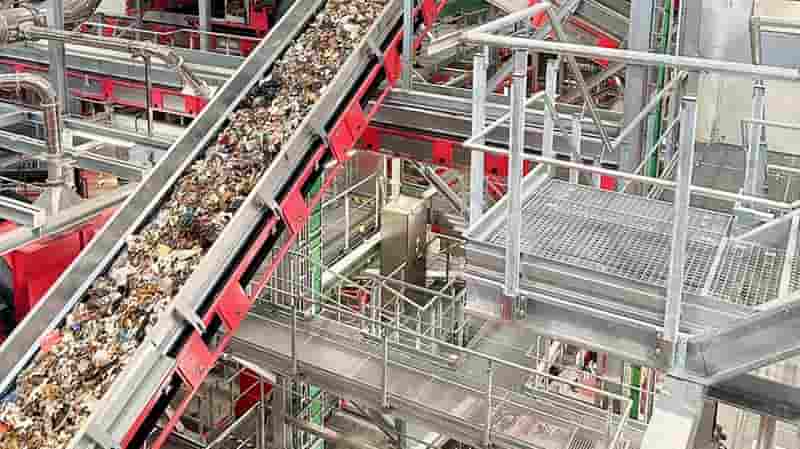
Altshausen-based Stadler Anlagenbau GmbH, a global innovator in recycling systems, has successfully delivered and commissioned a groundbreaking mixed waste sorting plant in Stockholm. Built for Stockholm Vatten och Avfall (SVOA)—Sweden’s largest water and waste utility—this plant marks a major step toward sustainable urban waste management. Packaging Film
Capable of processing up to 50 tons of municipal solid waste (MSW) per hour, the new facility integrates high-throughput sorting technology, significantly improving the city’s ability to recover valuable resources and reduce landfill and incineration volumes.
? Inside the Plant: Fully Automated & Future-Ready
The facility houses two parallel, independently operating sorting lines, enabling continuous operation even during maintenance or partial outages. Stadler’s state-of-the-art systems sort a mixed waste stream that includes:
- ? Organic waste in green bags
- ? Mixed plastics
- ? Ferrous metals
- ? Nonferrous metals Packaging Film
Automation is at the core of this plant, which is controlled through a centralized system. Manual intervention is limited to routine maintenance and initial pre-sorting to remove bulky or hazardous items.
? Green Goals, Tangible Results
By diverting valuable materials away from incineration, the new sorting facility helps cut CO₂ emissions and enhances Stockholm’s ability to meet its ambitious climate targets. According to Lars Nyquist, Project Manager at SVOA:
“Thanks to Stadler’s technology, we now have the infrastructure to increase resource recovery, reduce emissions, and move closer to closing the loop on waste.”
This is especially important given the challenge of packaging waste—plastic and metal items that often mistakenly end up in general household trash. Packaging Film
⚙️ How It Works: Precision Sorting in Action
Incoming waste enters via five live floors and is transferred to dosing conveyors to create a uniform stream. This stream then undergoes several separation phases:
- Pre-Sorting: Manual removal of bulky and hazardous items.
- Screening: Stadler’s screening drums sort waste by particle size.
- Organic Waste Isolation: A unique Coloured Bag Sorting System uses five NIR and VIS spectrometers to identify and remove green food waste bags without opening them.
- Plastic & Metal Recovery: Remaining materials pass through:
- ✅ NIR sorters (by polymer and color)
- ✅ Magnetic separators (for ferrous metals) Packaging Film
- ✅ Eddy current separators (for nonferrous metals)
This highly specialized approach maximizes the recovery of recyclable materials and minimizes contamination.
? Built for Flexibility and Scalability
The design incorporates movable conveyors beneath screening drums, allowing rapid adaptation to changing waste compositions without halting operations. As explained by Nejc Božič, Project Manager at Stadler:
“Everything from the parallel line design to movable conveyors gives SVOA flexibility to handle seasonal variations and keep performance optimized with minimal manual effort.” Packaging Film
This modularity ensures long-term scalability and supports Stockholm’s evolving waste management needs.
? Compact Yet Accessible Design
Despite its advanced functionality, the plant’s layout fits within a compact urban footprint. All critical drives and maintenance points are reachable via walkways and service platforms, ensuring easy, safe, and fast upkeep. Packaging Film
“Stadler’s attention to detail in both design and construction has been crucial,” added Nyquist. “Their commitment to HSEQ—health, safety, environment, and quality—has led to an outstanding final product.”
? Technical Specs Snapshot
| Feature | Details |
|---|---|
| Throughput | 50 tons/hour |
| Sorting Lines | 2 (parallel, fully automated) |
| Automation | Centralized control system |
| Green Bag Sorting | NIR + VIS technology |
| Metal Recovery | Magnetic & Eddy Current Separators |
| Footprint Design | Multi-level, compact urban space |
? Commissioning & Inauguration Timeline Packaging Film
- ? August 2024: Plant commissioning completed.
- ? October 2024: Official inauguration held.
Since then, the plant has been operating at full capacity, contributing to Stockholm’s sustainable development goals.
? Final Thoughts: A Model for Urban Sustainability
The Resursutvinning Stockholm plant represents a bold vision made real—using smart design, automated systems, and thoughtful engineering to address one of modern society’s most pressing challenges: waste management.
As emphasized by Uroš Tintor, Project Manager at Stadler:
“We’ve delivered a facility that balances performance, precision, and adaptability—all within a highly compact footprint.” Packaging Film
This project is not just a local success story—it sets a benchmark for urban recycling infrastructure worldwide.