PepsiCo ESG Report Reveals Strong Plastic Progress—but Key Gaps Remain
PepsiCo ESG Report Reveals Strong Plastic Progress—but Key Gaps Remain
PepsiCo’s latest ESG report points to measurable progress on packaging, emissions, farming and nutrition, while also showing how much work remains before the company reaches its longer-term sustainability ambitions.
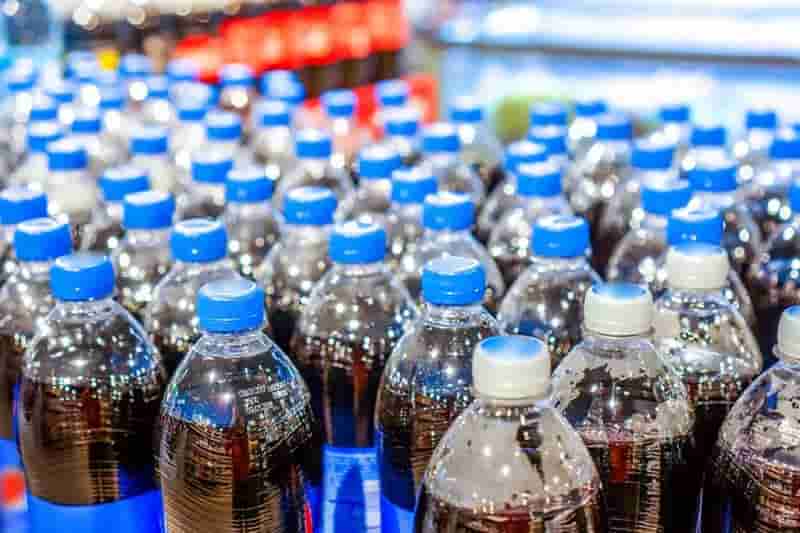
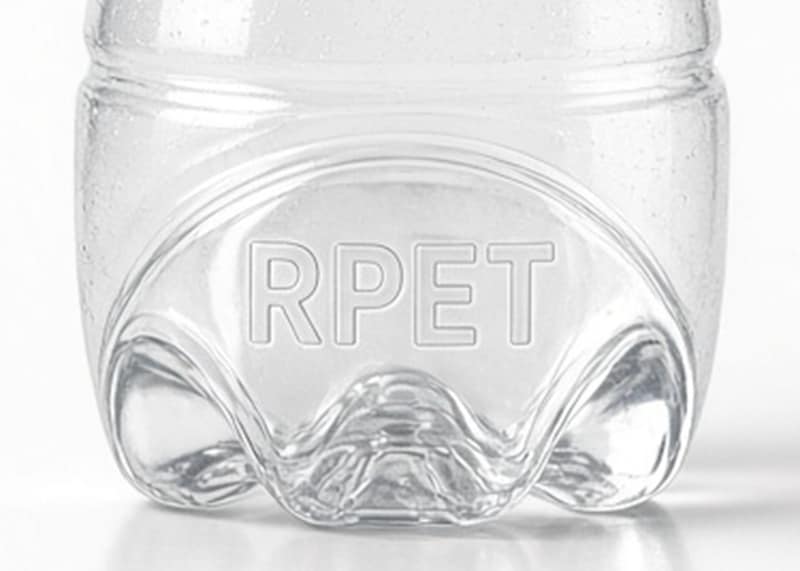
The headline packaging figures are a 6% year-on-year reduction in virgin plastic and an increase in recycled plastic content to 18%. These results apply specifically to primary plastic packaging in PepsiCo’s key packaging markets—not every package sold by the company worldwide.
PepsiCo’s packaging figures at a glance
PepsiCo reported using approximately two million metric tons of plastic in key packaging markets during 2025.
Within the defined scope of primary plastic packaging, the absolute tonnage of virgin plastic fell by 6% between 2024 and 2025. Recycled plastic represented 18% of the relevant packaging in 2025, compared with 15% in 2024.
The reduction was supported by measures such as lighter packaging and changes in materials. In North America, for example, lightweighting selected Gatorade and Lipton bottles reportedly avoided approximately 3,175 metric tons of plastic.
The company also said more than 40 markets offered at least one product containing recycled PET during 2025. In Poland, PepsiCo transitioned its beverage bottles to 100% recycled PET by the end of the year.
These developments are significant, but the scope matters. The reduction applies to primary packaging for company-owned brands, manufacturing operations, franchise bottlers and certain joint ventures. According to recent packaging-industry coverage, this represents an estimated 80% of PepsiCo’s total packaging footprint by weight.
Progress against revised packaging goals
The 6% annual reduction exceeded PepsiCo’s current objective of reducing virgin plastic use by an average of 2% per year through 2030.
PepsiCo is also aiming for at least 40% recycled content in plastic packaging by 2035 or earlier. Another goal calls for at least 97% of primary and secondary packaging in key markets to be designed as reusable, recyclable or compostable by 2030.
The company reported that 94% of the packaging covered by this design goal met the criteria in 2025, unchanged from 2024 following a data adjustment.
However, “recyclable by design” does not necessarily mean that a package is collected and recycled in practice. Local collection systems, sorting capacity, contamination and demand for recovered materials all affect the final outcome.
PepsiCo also revised its packaging targets in 2025. Its current recycled-content goal—at least 40% by 2035—replaced an earlier target of 50% by 2030 and covers a narrower packaging scope. A previous quantitative reuse target was also removed.
Consequently, the latest figures demonstrate progress within the company’s current framework, but comparisons with older ambitions require care.
Emissions fall across three reported areas
The PepsiCo ESG report also presents emissions progress against a 2022 baseline. Including what the company describes as “system contributions,” it reported:
- A 24% reduction toward its Scope 1 and Scope 2 goal
- A 12% reduction toward its Scope 3 Energy and Industry goal
- An 18% reduction toward its Scope 3 Forest, Land and Agriculture goal
The distinction surrounding system contributions is important. PepsiCo separately reported reductions against its physical emissions baseline of 5% for Scope 1 and 2, 10% for Scope 3 Energy and Industry, and 15% for Scope 3 Forest, Land and Agriculture.
In 2025, renewable sources—including renewable-energy certificates—covered 96% of the electricity used in company-owned operations, equivalent to approximately 4,300 gigawatt-hours.
Other initiatives included adding 1,070 Ford E-Transit electric vans to PepsiCo’s delivery fleet in Mexico. The company is also working with Yara International and approximately 1,000 farms across the European Union and United Kingdom on lower-carbon fertilizer and precision-farming practices, primarily for potato production.
Regenerative agriculture reaches 4.7 million acres
PepsiCo says regenerative, restorative and protective agricultural practices now cover 4.7 million acres within its agricultural supply chain.
Since 2021, approximately 224,000 farmers, farm workers and community members have also received programs intended to improve economic security and agricultural livelihoods.
Reporting on deforestation-free and conversion-free sourcing was not included in the latest release. PepsiCo said those figures would be published later because the relevant methodologies and data were still being finalized.
This missing information limits the conclusions that can currently be drawn about the company’s complete agricultural footprint.
Lower sugar, sodium and saturated fat
PepsiCo also reported changes to the nutritional profile of its food and beverage portfolio.
In 2025, 68% of its beverage volume contained no more than 100 calories from added sugar per 12-ounce serving, exceeding its target of more than 67%.
For convenient foods, 79% of volume met the company’s sodium threshold of no more than 1.3 milligrams per calorie. The same share met its saturated-fat threshold of no more than 1.1 grams per 100 calories.
PepsiCo delivered 79 billion portions containing what it classifies as diverse ingredients, including whole grains, fruits, vegetables and plant-based proteins. Its stated goal is to reach 145 billion portions annually by 2030.
Water projects replenish 35 billion liters
At company-owned facilities in high water-risk watersheds, PepsiCo reported replenishing an amount equal to 100% of the water used during 2025.
More than 60 active projects helped return approximately 35 billion liters to local watersheds. The company also said its manufacturing facilities in high water-risk areas had adopted the Alliance for Water Stewardship Standard.
Water replenishment should nevertheless be considered alongside local conditions. Replacing an equivalent volume does not automatically eliminate every ecological or community impact associated with where and when water is withdrawn. PepsiCo ESG report
What the results mean
The latest PepsiCo ESG report provides evidence of year-on-year improvements, especially in virgin-plastic reduction and recycled content. It also offers clearer detail on emissions, renewable electricity, agriculture and portfolio reformulation.
The most useful interpretation is neither to dismiss the progress nor to treat the percentages as proof that PepsiCo’s environmental challenges have been solved.
The company remains a major global user of packaging materials, and some of its long-term targets have changed in scope or timing. Future reports will need to demonstrate sustained absolute reductions, greater use of genuinely reusable packaging and progress in areas where data remain incomplete.
For now, the 2025 results represent a meaningful step—but one that should be judged against PepsiCo’s total footprint and its performance over several years, not a single reporting cycle.
Key facts
- Virgin plastic in covered primary packaging: down 6% from 2024
- Recycled plastic content in covered packaging: 18%
- Plastic used in key packaging markets: approximately two million metric tons
- Renewable electricity for company-owned operations: 96%
- Regenerative, restorative or protective farming practices: 4.7 million acres
- Diverse-ingredient portions delivered: 79 billion
- Water replenished through more than 60 projects: approximately 35 billion liters
Sources and methodology
The figures are company-reported and should be interpreted according to PepsiCo’s stated calculation methodology and reporting boundaries. This article draws on PepsiCo’s 2025 ESG disclosure, published on August 13, 2026, and packaging-industry reporting published on August 17 and 18, 2026.
Sources: PepsiCo’s official ESG announcement, PepsiCo ESG Progress portal, EcoPlastics in Packaging analysis, August 17, and PETnology coverage, August 18.
PepsiCo Launches Gatorade Bottles Made with Advanced Recycled PET from Eastman