How HaadThip Drives Bold Circular Packaging Solutions in Thailand
Sustainable rpet sourcing thailand
Transforming Waste Into Value: How Local Circular Alliances Defy Global Market Volatility
In an era defined by geopolitical instability and shifting trade corridors, global supply chain executives face a recurring challenge: raw material price spikes that threaten operational continuity. Petrochemical markets are particularly vulnerable to external disruptions, leaving beverage distributors and packaging manufacturers exposed to sudden cost inflation on primary plastics like virgin polyethylene terephthalate (PET).
Rather than relying on volatile overseas feedstock markets, forward-thinking manufacturers are turning to localized circular economy models. Moving from trial-stage environmental projects to full-scale commercial operations, leading industrial partnerships are demonstrating how regional recycling infrastructure provides both economic insulation and long-term regulatory compliance.
Sourcing Feedstock in a Volatile Energy Landscape
Mid-year energy market fluctuations triggered by tensions across major oil-producing regions significantly altered the cost dynamics of virgin plastic resins. As virgin PET prices climbed and international shipping lanes experienced delays, the business case for domestic recycled plastic shifted from a standard sustainability goal to a vital operational safeguard.
Establishing a continuous system for sustainable rpet sourcing thailand allows regional packaging hubs to insulate themselves against international price shifts. Recycled PET (rPET) resin produced through localized collection systems maintains price competitiveness relative to imported virgin resin. By transitioning from a target-limited pilot scheme into ongoing commercial procurement, beverage bottlers can place direct bulk orders—exceeding 1,000 tonnes of food-grade rPET resin—ensuring steady production schedules even during broader market stress.
The Three-Stage Reverse Logistics Architecture
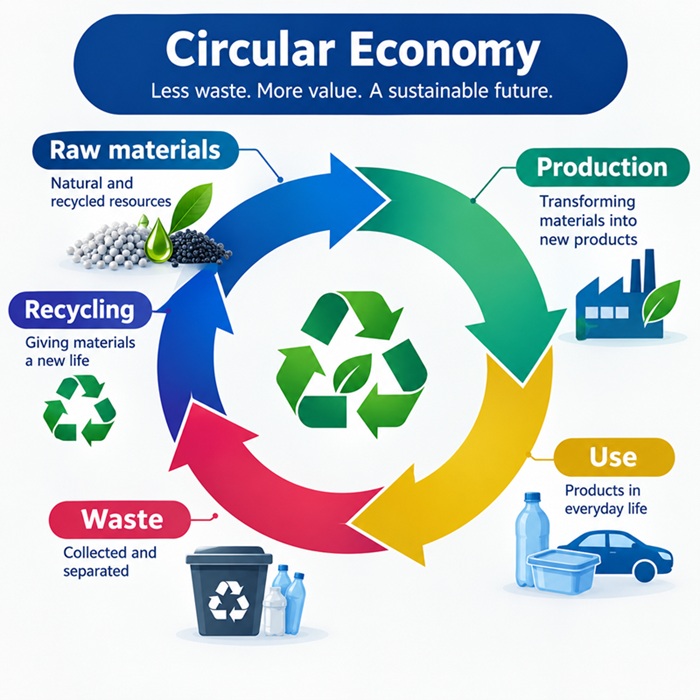
Achieving high-quality, food-grade recycled material requires coordinated execution across collection, washing, and extrusion operations. Traditional buyer-supplier relationships often introduce middle-tier friction and variable quality control; a collaborative alliance model replaces these disjointed steps with an integrated reverse logistics loop.
┌──────────────────────────────────────────────────────────┐
│                   COLLECTION NETWORK                     │
│  Post-consumer PET gathered across southern communities  │
└────────────────────────────┬─────────────────────────────┘
                             │
                             ▼
┌──────────────────────────────────────────────────────────┐
│             PROCESSING & FLAKE CONVERSION                │
│   Sorting, decontamination, and high-purity shredding    │
└────────────────────────────┬─────────────────────────────┘
                             │
                             ▼
┌──────────────────────────────────────────────────────────┐
│              FOOD-GRADE RESIN EXTRUSION                  │
│    Conversion into compliant rPET pellets in central hubs│
└────────────────────────────┬─────────────────────────────┘
                             │
                             ▼
┌──────────────────────────────────────────────────────────┐
│               CIRCULAR BOTTLE PRODUCTION                 │
│  rPET pellets blown into new beverage packaging at plant │
└──────────────────────────────────────────────────────────┘
The process begins with regional collection networks acquiring post-consumer plastic bottles directly from local buyers and municipal waste nodes. These materials are sorted, cleaned, and shredded into high-purity PET flakes under strict standard operating procedures. The processed flakes are then transported to specialized decontamination plants where specialized extrusion lines convert them into food-grade rPET resin pellets. Finally, the certified resin is delivered directly to bottling facilities to produce new beverage containers.
This closed-loop system removes unnecessary intermediaries, optimizes transit costs across regional provinces, and guarantees that raw materials meet both domestic safety certifications and international quality benchmarks. sustainable rpet sourcing thailand
Aligning Local Infrastructure with Global Net-Zero Commitments
Commercializing regional recycling capabilities directly accelerates corporate decarbonization and resource recovery targets. Multinational brand frameworks increasingly demand high percentages of recycled material in primary packaging, alongside ambitious post-consumer recovery ratios.
| Operational Metric | Traditional Linear Supply Chain | Integrated Circular Alliance |
| Feedstock Source | Imported virgin petrochemicals | Local post-consumer PET bottles |
| Market Volatility Risk | High (Exposed to global energy shocks) | Low (Domestic supply and stable regional collection) |
| Logistics Structure | One-way distribution | Closed-loop reverse logistics |
| EPR Compliance | Low (Relies on public collection infrastructure) | High (Proactive private collection network) |
| Material Traceability | Fragmented supply chain tracking | Direct batch tracking from collector to bottle |
Integrating 35% to 40% recycled content into standard packaging formats drastically cuts Scope 3 carbon emissions associated with virgin plastic manufacturing. Simultaneously, building strong relationships with regional scrap dealers and collection networks builds the foundation required to collect equivalent volumes of bottles placed on the market.
Preparing for Mandatory Extended Producer Responsibility (EPR)
Beyond short-term economic stability, the expansion of commercial recycling systems is driven by impending regulatory shifts across Southeast Asia. Governments are actively introducing Extended Producer Responsibility (EPR) frameworks and packaging management legislation designed to shift end-of-life waste management costs from local municipalities back to brand owners and importers.
Under proposed EPR legal guidelines, companies will face legal recovery mandates, strict reporting obligations, and financial eco-fee penalties if their packaging retrieval goals fall short. Establishing operational reverse logistics models today gives proactive businesses a distinct regulatory advantage. Companies that build verified, traceable recovery routes early avoid compliance bottlenecks, secure scarce recycled raw materials ahead of competitors, and protect their operations against future environmental taxation.
Economic Community Uplift and Marine Ecosystem Protection
Building robust, decentralized recycling hubs generates significant social and environmental value beyond balance sheets. Local collectors, scrap dealers, and community recycling networks gain consistent, commercial demand for post-consumer plastics. This market demand stabilizes prices across informal recycling sectors, supporting local livelihoods.
From an environmental standpoint, active collection networks prevent thousands of tonnes of plastic waste from leaking into sensitive coastal ecosystems, rivers, and landfills. By converting potential environmental pollutants back into valuable industrial inputs, the bottle-to-bottle model demonstrates how industrial cooperation transforms environmental challenges into long-term commercial resilience.
www.haadthip.com