PET bottle manufacturing plant setup – Strong Growth for PET Bottle Manufacturing Plant Setup in 2025: Cost Trends, Machinery Investment and Profit Potential for Entrepreneurs 04-11-2025
PET bottle manufacturing plant setup – Introduction
Setting up a PET bottle manufacturing plant setup in 2025 offers a compelling business opportunity. This article presents a structured overview for entrepreneurs and investors. It covers key market trends driving demand, what a PET bottle is and why it matters, the full production process, detailed cost analysis, machinery requirements and profit considerations. The goal is to provide a mobile-friendly, web-readable form that search engines and large language models can easily index and comprehend.
What is a PET Bottle and Why the Format Matters
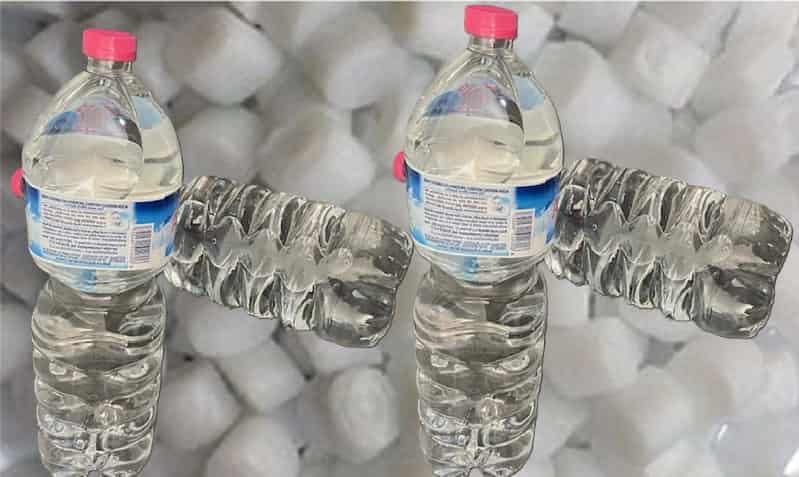
A PET bottle is a container made from polyethylene terephthalate (PET). It is lightweight, durable and recyclable. PET bottles are widely used for water, soft drinks, edible oils, pharmaceuticals and personal-care products because they offer strong transparency, chemical resistance, impact protection during transit and cost savings compared to glass or metal. Their versatile design and compatibility with recycling technologies make them among the most common packaging formats globally.
What is Driving the PET Bottle Market?
Several key drivers push demand for PET bottles and thus justify investment in a PET bottle manufacturing plant setup:
-
Growth in bottled water, ready-to-drink beverages and soft drinks especially in developing markets.
-
A shift toward lightweight, impact-resistant and green packaging formats.
-
Increasing regulatory pressure and consumer demand for recycled content and circular-economy practices.
-
Technological advances in lightweight preforms, bio-based PET resin and more efficient production methods.
-
The rise of e-commerce and on-the-go consumption boosting demand for secure and sustainable packaging.
-
Packaging manufacturers focusing on improved barrier properties, aesthetic differentiation and sustainability credentials.
These trends suggest that a well-planned PET bottle manufacturing plant setup can ride favourable tailwinds in 2025 and beyond.
Key Elements of a PET Bottle Manufacturing Plant Setup
Launching a PET bottle manufacturing plant setup involves multiple operational layers. Below are core components:
1. Market & Location Analysis
Before selecting machinery or building the plant, conduct detailed market analysis: target segments (beverages, oils, pharma), growth projections, local competition, input raw material availability, regulatory environment, logistics and export potential.
2. Infrastructure, Utilities & Site Setup
Your plant location must support heavy electrical loads, adequate water supply (for cooling), ventilation, waste management and safety compliance. Infrastructure cost is often significant. For example, utility setup and civil work for plastic bottle manufacturing can reach hundreds of thousands of dollars. Financial Model Excel+1
3. Machinery & Technology Requirements
Essential machinery for the PET bottle manufacturing plant setup includes: injection moulding machines (to produce preforms), stretch-blow moulding machines for bottle formation, chillers, air-compressors, conveyors, labelling and quality-control equipment. thepipl.com+1 Automation level and capacity significantly influence cost and long-term efficiency.
4. Raw Materials & Supply Chain
PET resin is the primary raw material. Inventory must be secured for initial production runs. Raw material cost typically represents a large portion of ongoing operational cost. finmodelslab.com+1 A robust supply chain helps prevent production bottlenecks and supports scalability.
5. Workforce, Quality Control & Processes
Even with automation, you need skilled operators, maintenance technicians, quality-control staff, packaging and logistics teams. Processes such as preform production, blow-moulding, cooling, inspection, labelling and packaging must be mapped and optimised for efficiency and waste reduction.
6. Regulatory Compliance, Licensing & Sustainability
Setting up a PET bottle manufacturing plant setup requires factory registration, pollution control board approvals, trade licences, environmental compliance and health & safety protocols. CORPSEED ITES PRIVATE LIMITED+1 Sustainability practices (e.g., use of recycled PET, energy efficient machines) add value and may reduce long-term costs.
Cost Analysis of a PET Bottle Manufacturing Plant Setup
Understanding cost structures helps assess viability. Key cost components:
-
Machinery and production line (injection + blow moulding): depending on scale, this can range from US $400 000 up to many millions.
-
Facility and infrastructure setup (utilities, civil works, installation): can be US $500 000 to several million. Startup Financial Projection+1
-
Raw material procurement and initial inventory: US $200 000 or more depending on scale. finmodelslab.com+1
-
Licensing, regulatory compliance, working capital for the first year of operations. Ready Business Plans
For example, one source estimates that starting a PET bottle manufacturing business might require a total investment from about US $1.5 million to over US $10 million depending on automation and capacity.
Smaller scale setups (semi-automated) may open around US $150 000 – US $300 000 but carry higher risk and lower margin.
Profitability, Scaling & Margin Considerations
A successful PET bottle manufacturing plant setup balances cost control, quality, yield and market demand. Key points:
-
High production capacity and automation reduce per-unit cost and improve margins.
-
Recycled PET or rPET use can reduce raw material cost and appeal to sustainability-focused buyers.
-
Efficient layout, energy and utility use, waste minimisation and logistics optimisation enhance profitability.
-
Scale matters: larger output can spread fixed cost across more units, improving ROI and pay-back periods.
-
Market demand and product differentiation (sizes, customer segments) impact revenue potential.
Conclusion
If you are considering a PET bottle manufacturing plant setup in 2025, this is a time of strong opportunity. With favourable market trends—lightweight packaging demand, sustainability mandates and e-commerce growth—you can build a viable business. Success depends on detailed planning across market analysis, infrastructure, machinery, raw materials, workforce and compliance. Clearly understanding cost structures and profit levers will position your venture for growth and stability.