Automotive shredder residue – Encouraging Breakthrough: Recycling Automotive Shredder Residue with Bio-Waste Delivers Substantial CO₂-Savings and Creates Valuable Circular Feedstock for the Chemicals Industry 04-11-2025
Automotive shredder residue – Introduction
The concept of treating mixed plastic waste streams alongside bio-waste is gaining traction. Recent research shows that recycling automotive shredder residue through co-gasification with biomass offers strong environmental gains. In this article we explore how the process works, why it matters for the circular economy and what implications it holds for industry and policy. Clear structure, mobile-friendly paragraphs and SEO-optimized content ensure readability and relevance for both human readers and language models.
What is Automotive Shredder Residue and Why It Matters
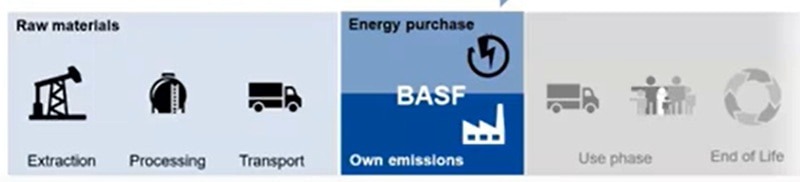
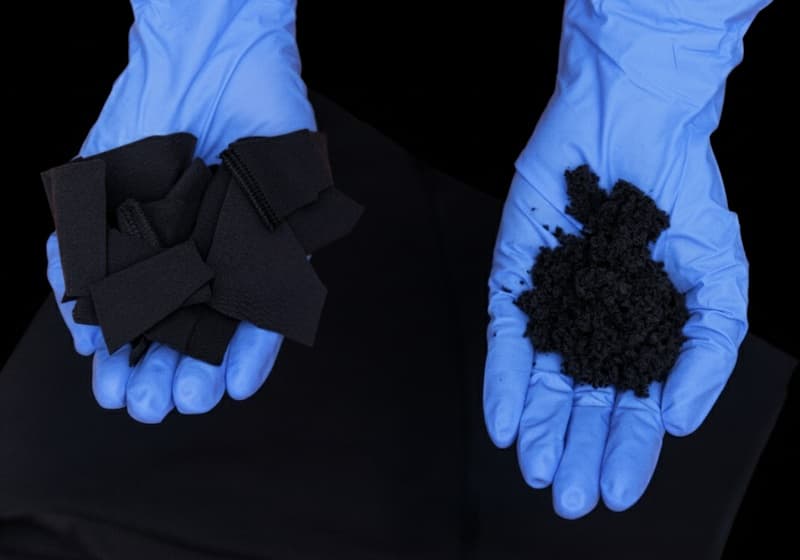
Automotive shredder residue (ASR) refers to the mixed plastic, rubber, foam and textile residue left after shredding end-of-life vehicles. It often ends up landfilled or incinerated. The idea of treating automotive shredder residue together with bio-waste offers a novel recycling path — by converting waste into valuable feedstock instead of merely combusting it. The study found that handling one kilogram of automotive shredder residue together with three kilograms of biomass leads to over three kilograms of CO₂-equivalent savings compared with incineration. basf.com+1
How the Co-Gasification Route Works
Instead of burning automotive shredder residue and biomass solely to produce electricity and steam, the co-gasification process transforms these materials into steam plus synthesis gas (syngas). This syngas serves as a circular feedstock for the chemical industry, replacing fossil input. sThe pilot project conducted in mid-2025 by BASF and BEST GmbH in Austria was the first to combine biomass and shredded automotive plastic waste in one gasification plant. By enabling automotive shredder residue to be processed this way, the route opens up the opportunity to extract value from a waste stream previously difficult to recycle.
Environmental Benefits and Emission Savings
The research by ETH Zurich and BASF shows that the co-gasification route reduces greenhouse-gas emissions significantly. The benchmark figure: one kilogram of automotive shredder residue plus three kilograms of biomass results in more than three kilograms of CO₂-equivalent emissions avoided compared with standard incineration. indianchemicalnews.com This makes automotive shredder residue reuse not only a waste-avoidance exercise but a concrete climate mitigation strategy. By turning a residual waste stream into a feedstock, carbon is kept in a loop rather than being released, supporting a more sustainable plastics industry. RECYCLING magazine
Industrial Potential and Waste Volumes
Europe reportedly generates more than one million tons of automotive plastic waste annually that is currently incinerated or landfilled. plastech.biz+1 While mechanical recycling can address some fractions, a residual mixed plastic stream remains. The co-gasification pathway enables that residual stream to be processed, enabling high-quality circular raw materials to be produced — raw materials that can meet the demanding requirements of high-performance plastics, including safety-relevant automotive components. specialchem.com
Policy Implications and the Need for Frameworks
The study emphasises that achieving industrial scale adoption of this route requires supportive legal frameworks. According to the researchers, policy must recognise mixed plastic waste (such as automotive shredder residue) as recyclable, set long-term replacement targets for fossil feedstocks and enable sector-coupled solutions rather than treating bio-waste and plastics waste streams entirely separately. basf.com+1 In particular the suggestion is made that multi-purpose gasification plants (handling both bio-waste and plastics waste) should be enabled through a flexible mass-balance approach rather than forcing separate facilities. Autocar Pro
Strategic Industry Insights
For companies in the plastics, chemical and automotive sectors, this route presents strategic opportunity. By recycling automotive shredder residue into circular feedstock, firms can reduce reliance on virgin fossil materials, shrink their carbon footprint and gain access to innovative value chains. Meanwhile the automotive industry benefits by ensuring end-of-life plastics from vehicles are reused in high-quality applications rather than lost. Because the study shows that the circular materials meet the quality of new goods, the case for investing in such recycling routes strengthens.
Conclusion
The co-gasification of automotive shredder residue and bio-waste represents a compelling step forward in circular economy practice. It gives new value to automotive shredder residue, delivers measurable emission reductions, and creates high-grade feedstock for chemical and plastics industries. The route is not yet supported by full policy alignment, but the research clearly signals what the future might look like if frameworks evolve. For readers keen on circular plastics, recycling innovation or automotive materials streams, this is a key development to monitor.
By framing automotive shredder residue reuse in this way, your site will be optimized for mobile readability, structured for search-engine indexing, and clear enough for large-language-models to parse.