Plastic Energy Restructuring: Carlos Monreal Returns as CEO
Plastic Energy Restructuring Brings Carlos Monreal Back as CEO
Plastic Energy has emerged from administration with a new ownership structure and the return of its founder, Carlos Monreal, as chief executive officer.
The British chemical-recycling technology company confirmed the changes on 6 August 2026. It described the restructuring as the beginning of a new phase centred on operational efficiency, profitability and more disciplined expansion.
The company has not publicly identified the parties behind the new ownership structure or disclosed its financial terms. This leaves important questions about its investors and capitalization unanswered.
What changed at Plastic Energy?
The administration concerned Plastic Energy Limited and Plastic Energy Finco Limited, two companies within the group’s British structure.
An official notice published by The Gazette records that Geoffrey Rowley and Patrick Donnan of FRP Advisory were appointed as administrators of Plastic Energy Limited on 27 April 2026. The process followed cash-flow difficulties that reportedly left the group without sufficient liquidity to complete a proposed turnaround.
The restructuring did not include Plastic Energy S.L.U., the entity responsible for the company’s two Spanish recycling plants.
Plastic Energy now says it has completed the administration process and secured the future of the business. Monreal, who founded the company in 2011 and stepped down as CEO in 2024, has returned to lead it.
“This is the start of an exciting new chapter for Plastic Energy,” Monreal said in the company’s announcement. He identified operational excellence, controlled growth, profitability and long-term value creation as the company’s immediate priorities. Plastic Energy restructuring
Spanish plants remain in operation
Plastic Energy reports that its chemical-recycling plants in Almería and Seville remain in continuous operation.
The Almería facility has operated since 2016 and the Seville plant since 2017. According to the company, its technology has processed more than 40,000 tonnes of difficult-to-recycle plastic waste at industrial scale.
That figure is a cumulative total reported by Plastic Energy rather than an independently audited production figure disclosed with the restructuring announcement.
The company also plans to continue development work at its research laboratories at Loughborough University in the United Kingdom.
How Plastic Energy’s TAC technology works
Plastic Energy developed a proprietary process called Thermal Anaerobic Conversion, or TAC.
The process heats selected end-of-life plastics in an oxygen-free environment. This thermochemical treatment breaks the material down into hydrocarbon vapours, which are condensed into a recycled oil marketed as TACOIL.
Petrochemical manufacturers can use this oil as an alternative feedstock for producing new plastics. The technology is aimed principally at mixed and flexible plastic waste that cannot readily be handled through conventional mechanical recycling.
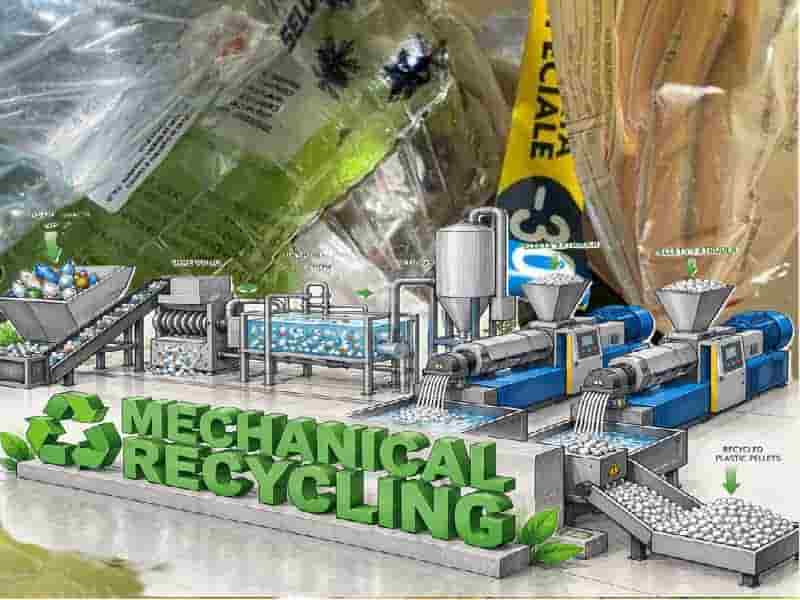
Chemical recycling is not a replacement for waste prevention, reuse or mechanical recycling. Its potential role is to process certain contaminated, mixed or degraded plastics that would otherwise be incinerated, landfilled or exported. Its overall environmental performance depends on factors including energy consumption, plant efficiency, transport distances and the final use of the resulting oil.
Why profitability remains a central challenge
Plastic Energy’s return comes during a difficult period for European plastics recyclers.
Low or volatile virgin-polymer prices can make recycled feedstocks less competitive. Advanced-recycling projects also require substantial capital, reliable waste supplies and long-term customers for their output.
Industry publication EcoPlastics in Packaging reported that Plastic Energy generated £1.67 million in revenue in 2024 while recording a pre-tax loss exceeding £21.3 million. These historical figures help explain why profitability and disciplined growth feature prominently in the company’s new strategy.
Monreal said Plastic Energy intends to improve the efficiency of its current operations, develop the TAC process further and expand through strategic partnerships.
Regulation will influence the recovery
The company is calling for clearer and more stable European rules governing chemically recycled materials.
The EU Packaging and Packaging Waste Regulation, commonly known as the PPWR, introduces recycled-content and recyclability requirements intended to reduce packaging waste and reliance on virgin resources. However, the treatment and accounting of chemically recycled content remain commercially important issues for companies investing in advanced-recycling capacity.
Predictable rules could help manufacturers assess whether recycled oil produced through pyrolysis can contribute to their regulatory targets. Regulation alone, however, will not settle questions about operating costs, emissions or the ability of individual facilities to compete with fossil-derived materials.
What happens next?
Plastic Energy’s exit from administration provides continuity for its technology, research and Spanish operations, but it does not remove the commercial pressures that led to the proceedings.
The next stage will be measured through plant utilization, efficiency improvements, customer agreements and evidence of a viable route to profitability. Further disclosure about the new owners and the financing available to the company would also give customers and partners a clearer view of its long-term position.
For now, the Plastic Energy restructuring represents a recovery rather than a completed turnaround. Monreal is back in charge, the Spanish plants continue to operate and TAC technology remains the centre of the business. The decisive test will be whether those assets can now support sustainable commercial growth.
Plastic Energy restructuring: key facts
- Announcement date: 6 August 2026
- Chief executive: Carlos Monreal
- Process completed: UK administration
- Technology: Thermal Anaerobic Conversion
- Recycled output: TACOIL pyrolysis oil
- Operating plants: Almería and Seville, Spain
- Reported waste processed: More than 40,000 tonnes cumulatively
- New owners: Not identified in the announcement
Frequently asked questions
Has Plastic Energy left administration?
Yes. Plastic Energy announced on 6 August 2026 that it had completed the administration process under a new ownership structure.
Who is the CEO of Plastic Energy?
Founder Carlos Monreal has returned as CEO. He previously stepped down from the position in 2024.
Are Plastic Energy’s Spanish plants operating?
The company says its facilities in Almería and Seville are in continuous operation. The Spanish operating company was not included in the British administration proceedings.
What does TAC produce?
TAC converts selected end-of-life plastic waste into a pyrolysis oil called TACOIL. This can be used as feedstock for manufacturing new plastic materials.
Who owns Plastic Energy now?
Plastic Energy has confirmed a new ownership structure but has not publicly disclosed the owners or the financial terms of the transaction.
Sources
- Plastic Energy announcement, 6 August 2026
- EcoPlastics in Packaging report, 6 August 2026
- Official administration notice in The Gazette
Plastic Waste to Hydrogen: New Process Captures Carbon